



Jim Rogers Blasts Trump’s Tariff Policies, Citing Ignorance of Asia and India
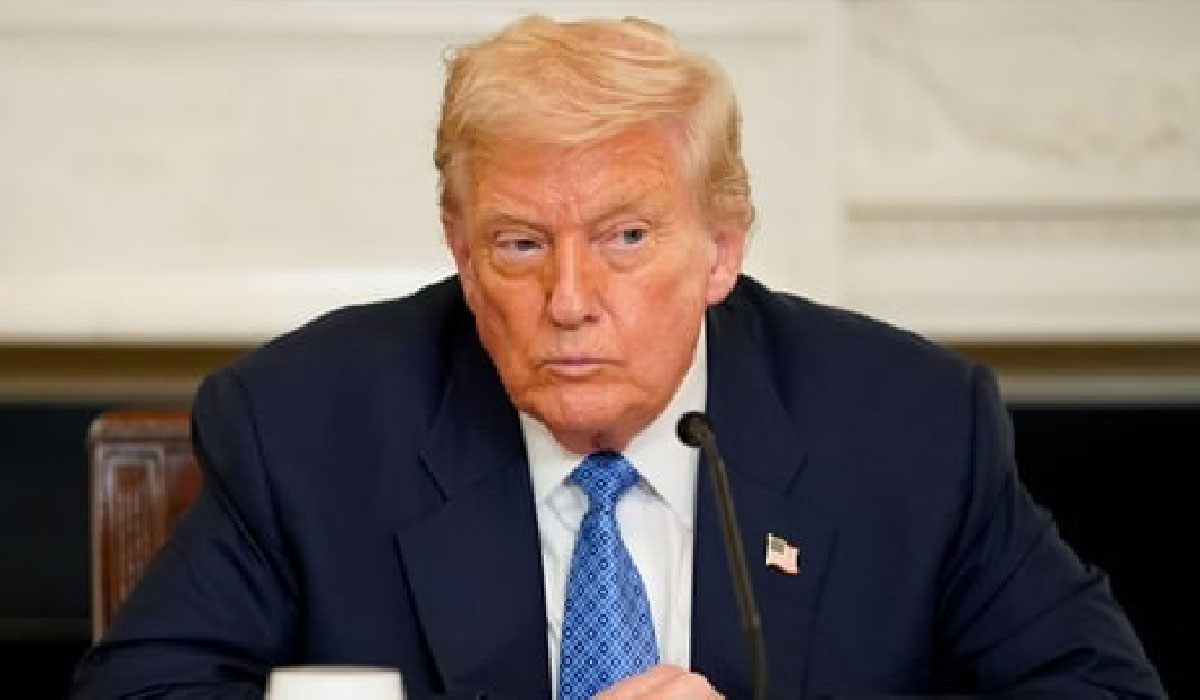
Veteran American investor Jim Rogers has issued a strong rebuke of U.S. President Donald Trump’s trade policies, particularly the latest decision to impose a 25% tariff on Indian goods, calling the move “short-sighted” and “economically ill-informed.”
Speaking in an interview on Friday, August 8, Rogers stated bluntly that Trump “doesn’t understand what’s happening in Asia and India,” warning that such protectionist measures could backfire on the U.S. economy and damage its long-term global influence.
“Asia is the future, and India is one of the most important players in that future. If you isolate yourself from these markets, you’re not hurting them as much as you’re hurting yourself,” Rogers said.
Tariffs Targeting India
Rogers’ remarks come in response to the Biden-era tariffs reinstated by Trump upon returning to office, including a 25% import duty on a wide range of Indian products, with a second wave of tariffs set to take effect on August 27. Key sectors affected include textiles, pharmaceuticals, auto parts, and electronics—industries where India has strong export potential.
The move has drawn criticism from economists, business leaders, and now Rogers, who believes the policy fails to reflect the economic and geopolitical realities of the 21st century.
“Trump is still playing an outdated game of economic nationalism,” Rogers said. “Asia, particularly India, is not only a major trade partner but also a critical part of global supply chains. These actions show he doesn’t see the bigger picture.”
A Warning Against Economic Isolation
Jim Rogers, co-founder of the Quantum Fund and long-time commentator on global markets, has repeatedly emphasized the shift in economic gravity toward Asia. He has been bullish on countries like China, India, and Vietnam for over a decade, citing their demographic advantages, rising middle classes, and economic reforms.
He warned that protectionist policies could drive countries like India closer to other powers such as China, Russia, and the European Union, leading to strategic realignments that may sideline the U.S. in key markets.
“These aren’t the 1980s anymore. You can’t bully countries into submission with tariffs. They have options, and they’re increasingly choosing to work with each other instead of depending on the U.S.,” Rogers noted.
Reactions and Implications
India’s Ministry of Commerce has yet to issue a formal response to the new round of tariffs, but senior officials have indicated that retaliatory measures are under consideration, raising the risk of a mini trade war between the two democracies.
Meanwhile, global investors are watching closely. Many fear that escalating trade tensions could disrupt supply chains, increase consumer prices, and weaken investor confidence at a time when the global economy is already under pressure from inflation, energy prices, and geopolitical instability.
Looking Ahead
Jim Rogers’ criticism adds to growing concern that Trump’s aggressive trade stance could isolate the U.S. from key growth markets and undermine its leadership in global economic governance.
As India continues to rise in economic and strategic importance, policies that fail to recognize its role in the global system may prove to be not only politically costly—but economically self-defeating.