






Strategic Partnerships

Economic Corridors & Trade Agreements

Defence, Security & Peace


Expert Voices & Visions
Embassy Insights

Spotlight & Vision
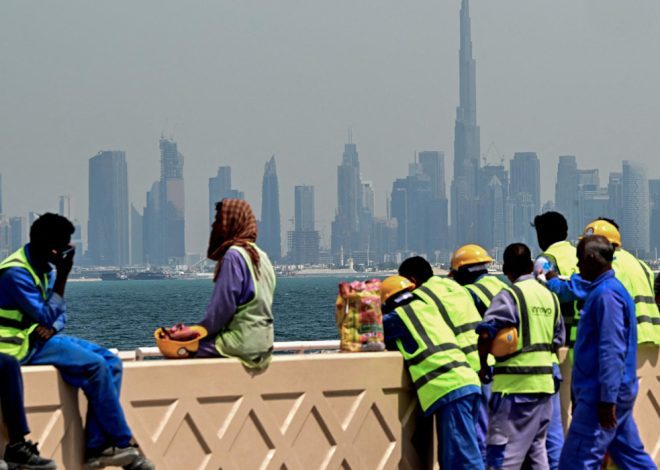
Remittances are a vital pillar of Pakistan’s economy, supporting families and strengthening foreign exchange reserves. Protecting migrant workers and ensuring reliable money transfers must be priorities. Pakistan should prepare for potential Gulf disruptions while reducing long-term dependence on remittances through domestic employment, sustainable businesses and investment opportunities.
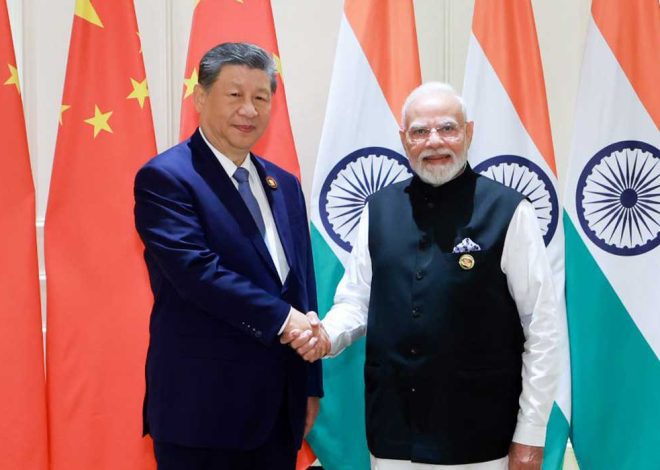
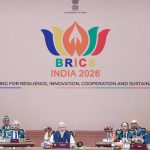
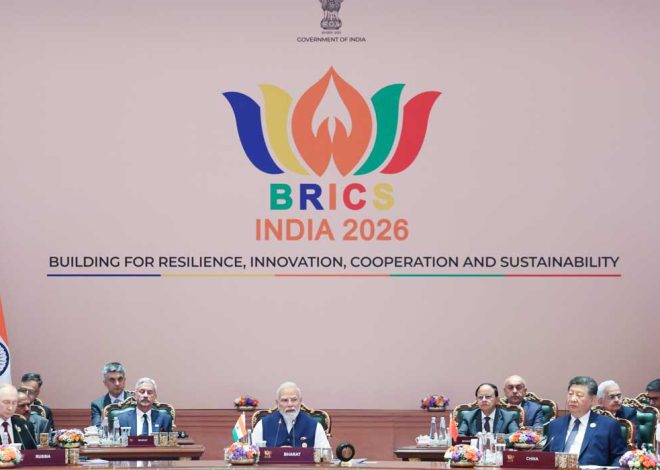
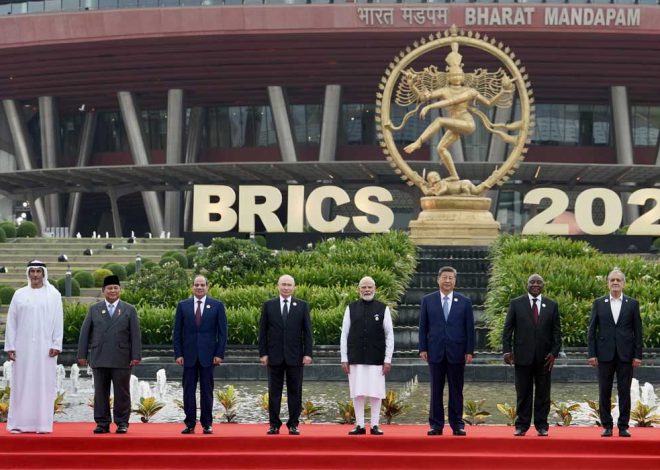
Chinese President Xi Jinping used the 18th BRICS Summit in New Delhi to set out an ambitious vision for the bloc’s next phase, calling for deeper economic integration, stronger industrial and supply-chain cooperation, and greater coordination among emerging economies and countries of the Global South.
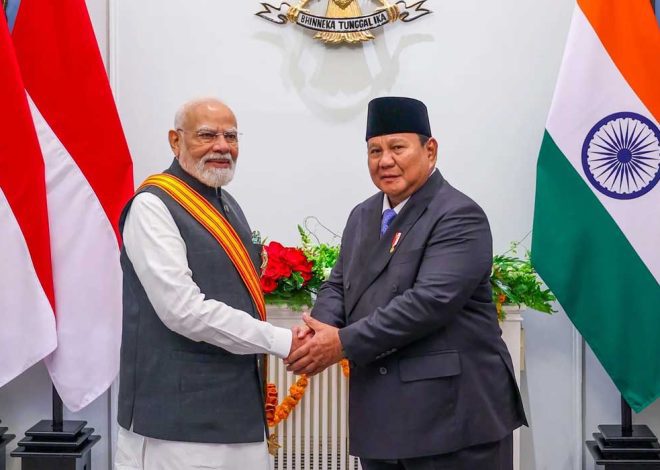
Indonesia stresses the importance of maintaining a rules-based multilateral trading system through a strong, inclusive and adaptive WTO. At the same time, the BRICS need to continue delivering concrete cooperation that directly benefits the growth of developing countries
Focus & Futures
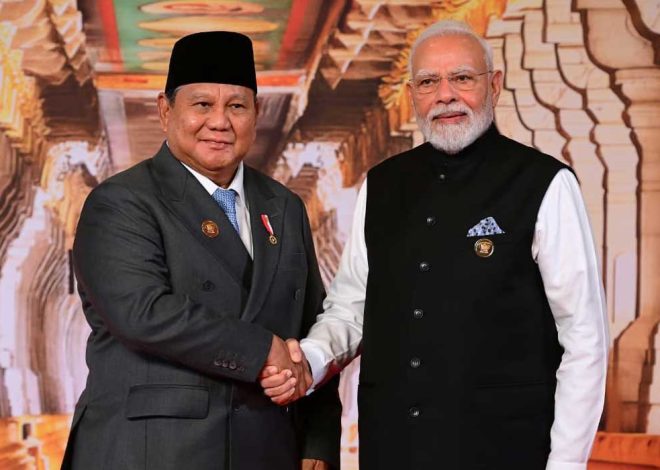
Indonesia used the 18th BRICS Summit in New Delhi to underline its growing role in the Global South, with President Prabowo Subianto calling for stronger multilateral cooperation, greater economic resilience and closer coordination among developing nations.
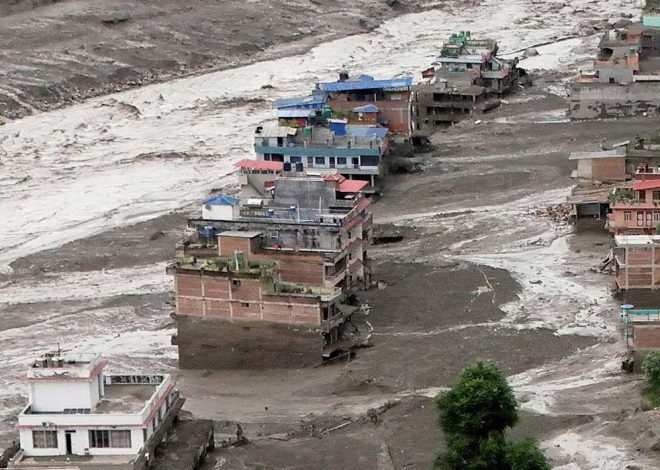
India has extended condolences and humanitarian support to Nepal following devastating floods, with PM Modi speaking to PM Balendra Shah and Indian authorities coordinating relief, rescue and assistance through the Embassy in Kathmandu.
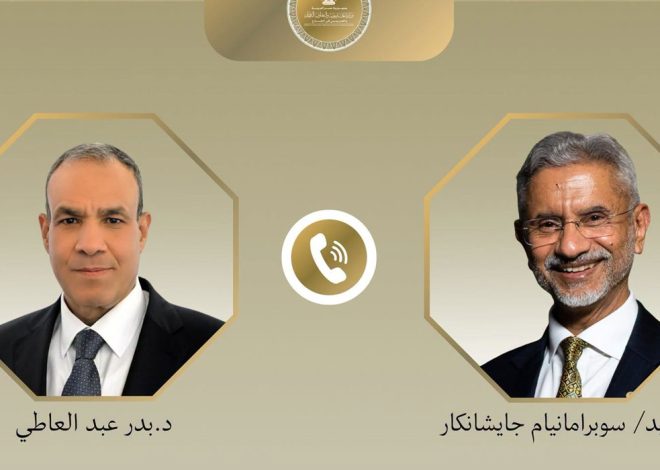
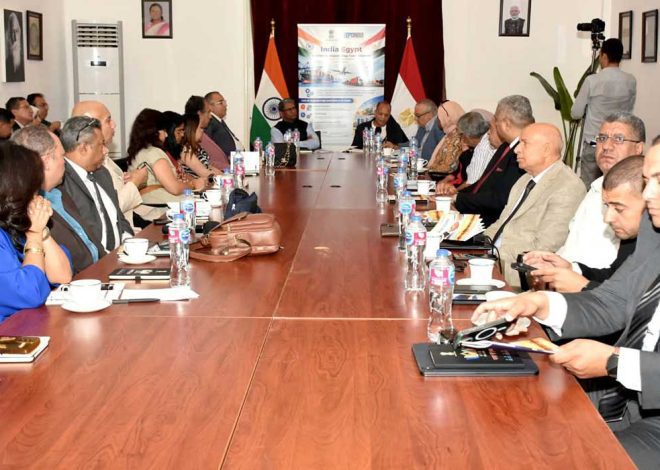
Egyptian Foreign Minister and Minister of Foreign Affairs, Emigration and Expatriates Badr Abdelatty held a phone call with Indian External Affairs Minister Dr. S. Jaishankar, to discuss ways to strengthen bilateral relations and exchange views on regional and international issues of mutual interest.
Beyond Borders, Beyond Politics
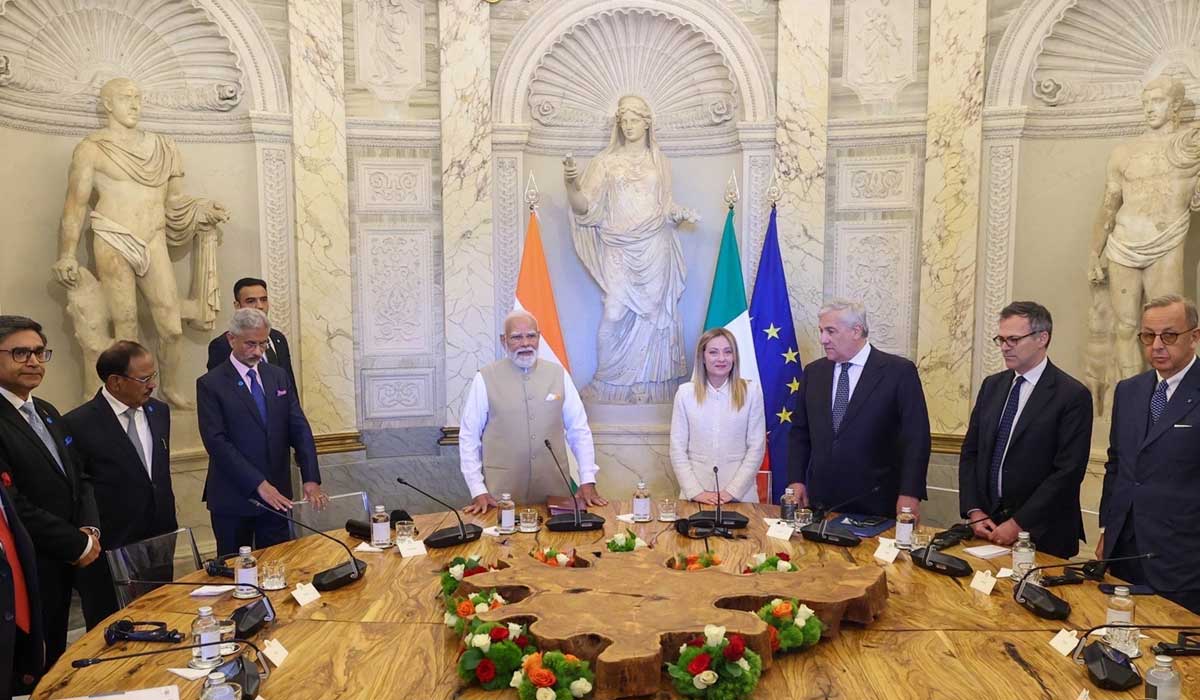
India and Italy are placing culture at the heart of their evolving Special Strategic Partnership. From UNESCO heritage twinning and cinema to tourism, education and creative exchange, the two countries…
Global Forecasts - Opinion & Analysis
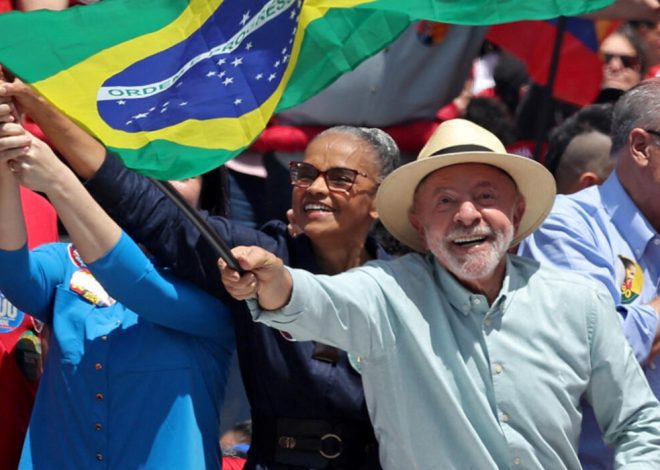
Brazilian President Luiz Inácio Lula da Silva’s historic fourth, non-consecutive term comes at a pivotal…


Global Trade & Export-Import Opportunities
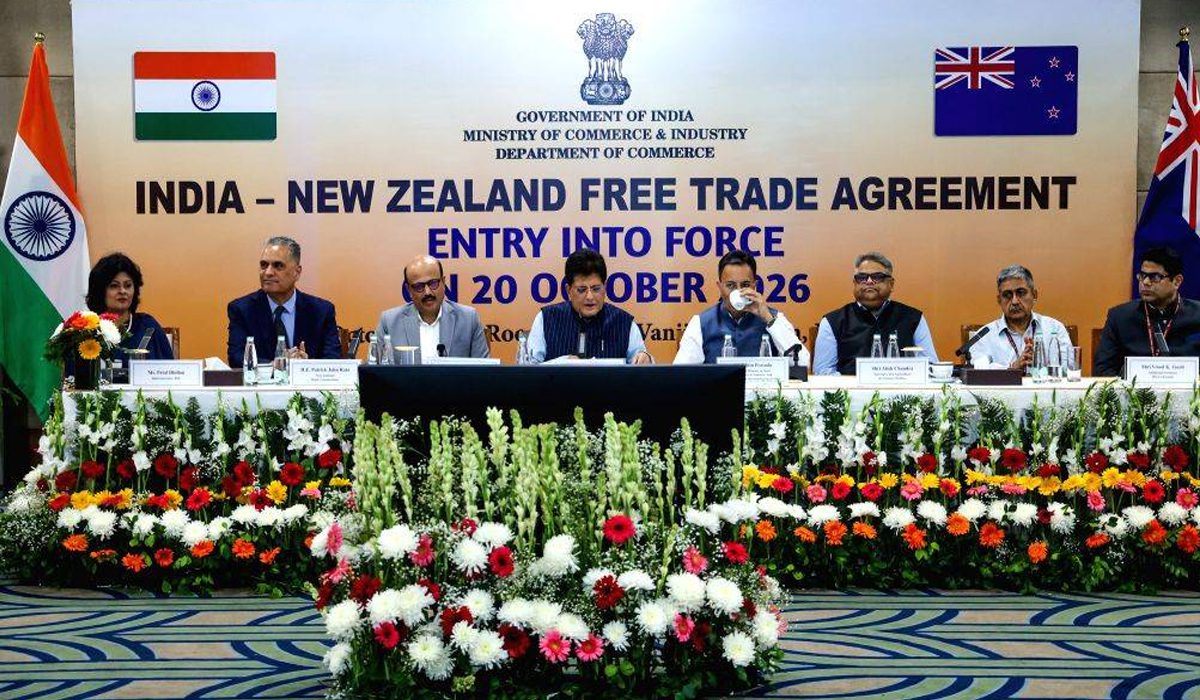
India’s Free Trade Agreement with New Zealand marks a significant step towards expanding the country’s global trade footprint. With 100% zero-duty access to the New Zealand market for Indian exports,…

Diplomat Today Latest Edition


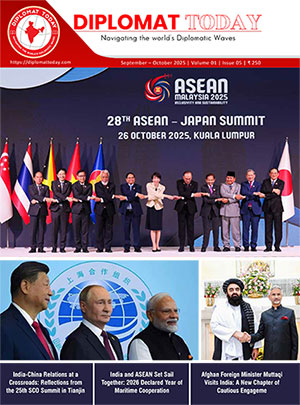
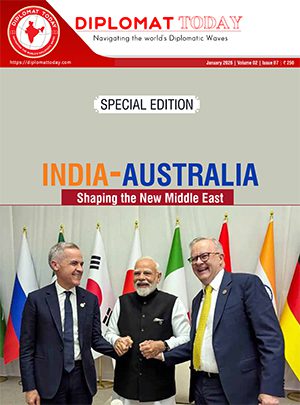
Diplomat Today Special Edition


Diplomat Today Newsletter
Publisher
Global Investments & Industrial Cooperation
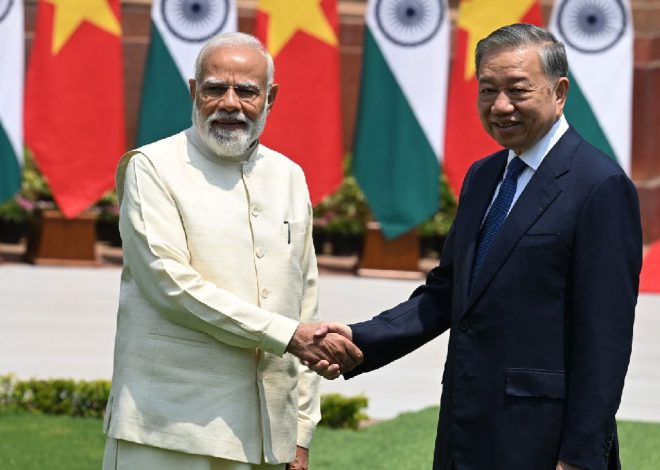
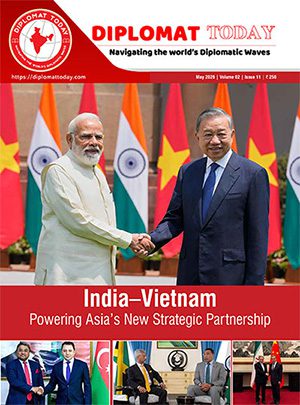
India and Vietnam have elevated their relationship to an Enhanced Comprehensive Strategic Partnership, setting an ambitious $25 billion trade target by 2030. Following high-level talks between Prime Minister Narendra Modi…
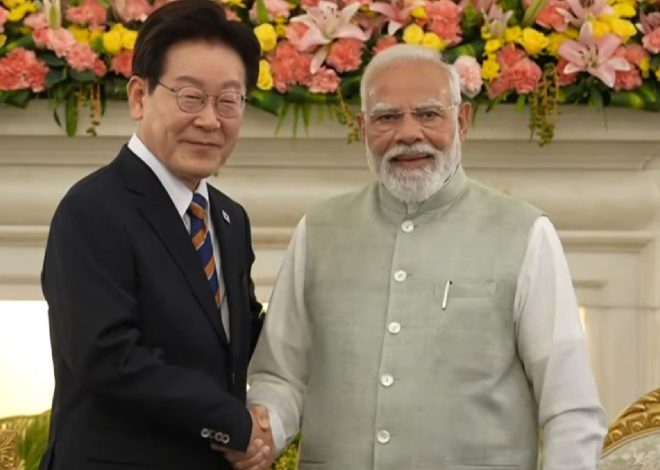
The India–Republic of Korea MSME agreement, signed during the visit of Lee Jae Myung, marks a strategic shift toward inclusive economic cooperation, positioning small businesses, innovation, and resilient supply chains…
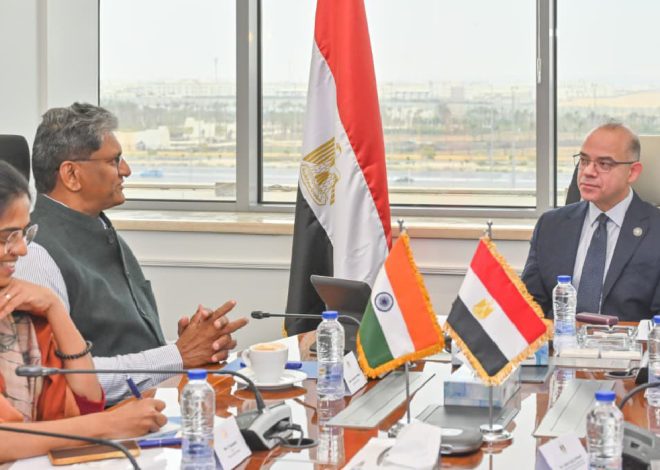
Suresh K. Reddy, the Indian Ambassador to Cairo, met with Dr. Mohamed Farid Saleh, the Egyptian Minister of Investment and Foreign Trade, to discuss ways to enhance economic, trade, and…
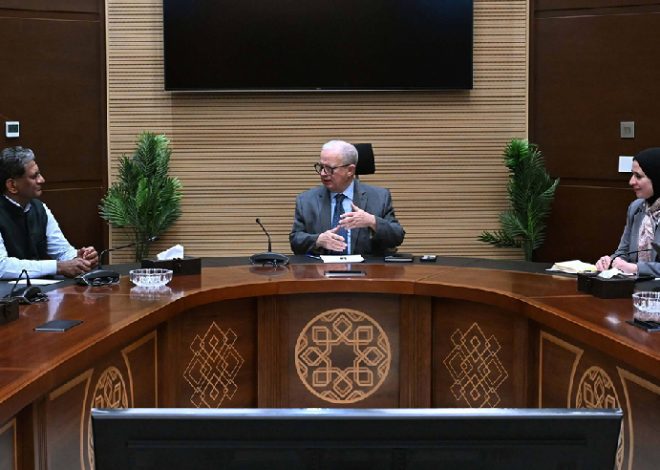
In a move signaling growing economic engagement, India is exploring expanded investment opportunities in Egypt following high-level talks between Egyptian Deputy Prime Minister Hussein Issa and Indian Ambassador to Cairo…
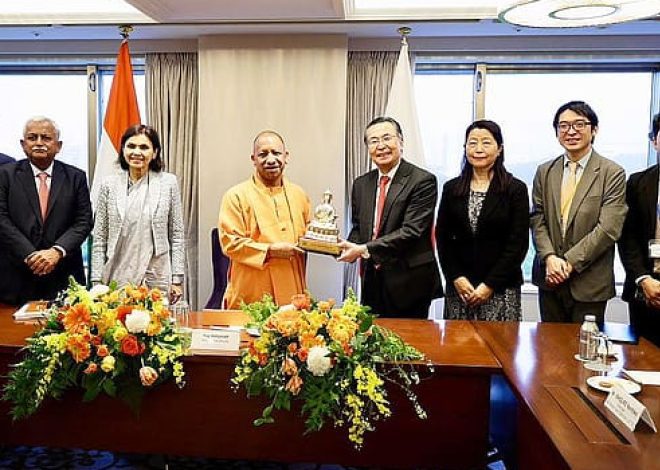
Chief Minister of Uttar Pradesh, Yogi Adityanath, arrived in Tokyo on Wednesday for a two-day official visit aimed at deepening economic ties between India's most populous state and Japan. The…
Global Summits & Forums

Emerging & Future Horizons
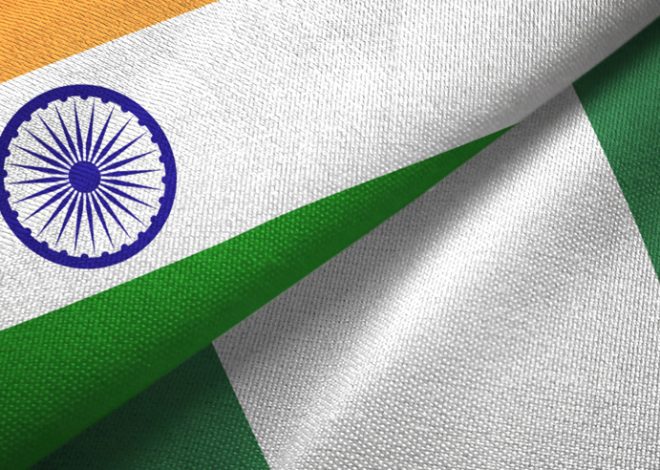
For decades, India-Nigeria relations have thrived on crude oil trade, political solidarity and South-South cooperation. While this foundation remains important, the world is changing. The shift from crude oil to…
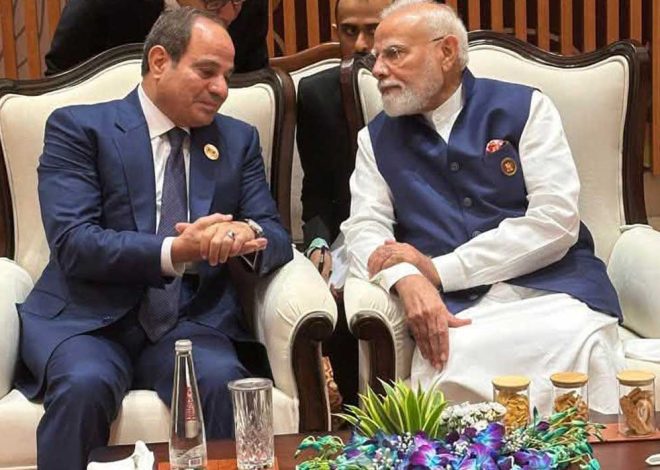
Egyptian President Abdel Fattah El-Sisi met Indian Prime Minister Narendra Modi on the sidelines of the 18th BRICS Summit in New Delhi, with the talks focusing on strengthening the India-Egypt…
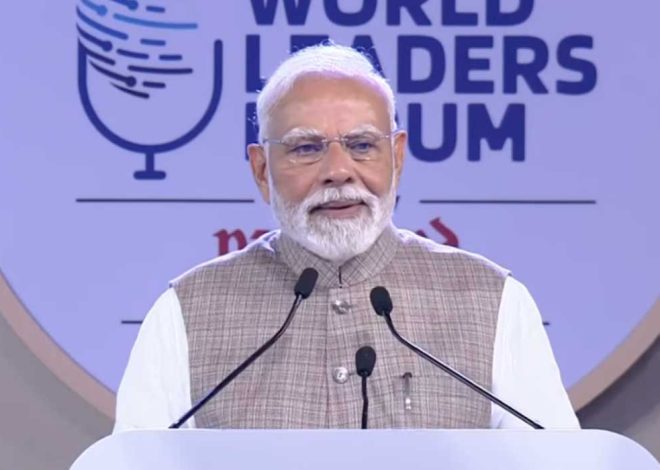
India’s rise as a global power is being built not only in diplomatic capitals, but in the aspirations of millions, expanding infrastructure, a strengthening manufacturing base and the digital architecture…
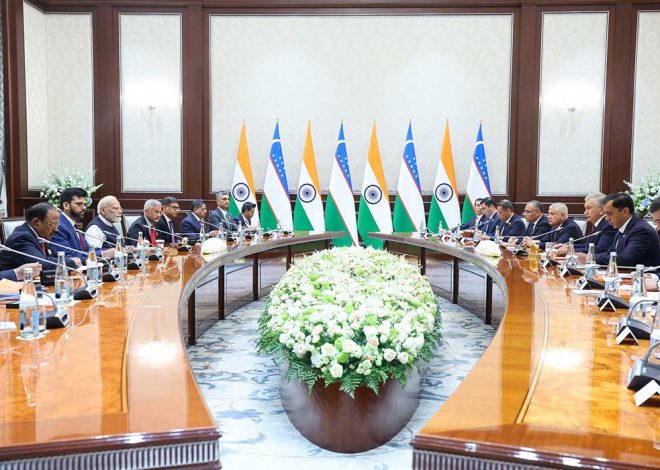
From connectivity and trade to critical minerals, security and diplomacy, Narendra Modi’s Central Asian engagement reflects India’s effort to deepen its role in a strategically important Eurasian region while working…

Ten years after its launch, UPI has transformed India’s digital economy, bringing instant payments to millions of citizens and businesses. From a domestic innovation, it has evolved into an emerging…
Between Nations
On the Ground: Events & Happenings
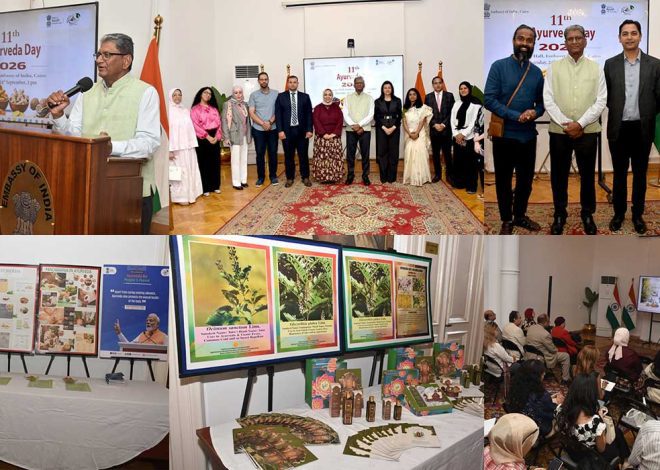
India and Egypt are exploring broader avenues of cooperation in traditional and complementary medicine, as the Embassy of India in Cairo marked the 11th Ayurveda Day with a programme highlighting…
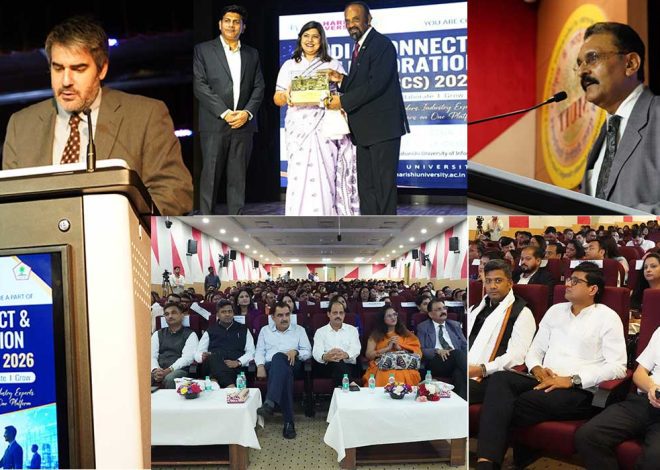
ICCS 2026 at Maharishi University brought diplomats, educators, policymakers and industry leaders together to explore new pathways of international collaboration. The summit highlighted how education, innovation and meaningful international connections…
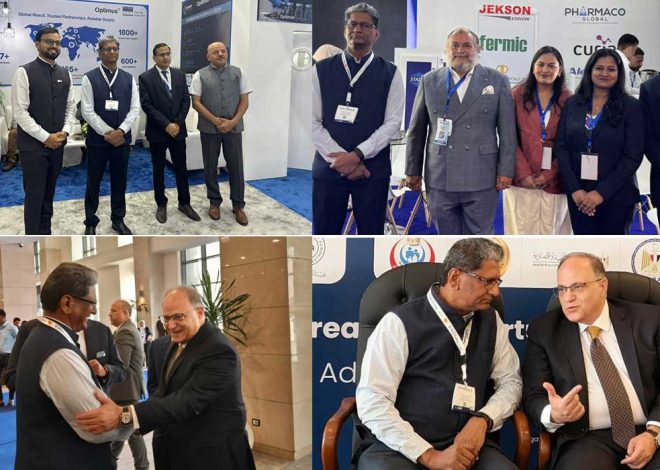
India-Egypt healthcare cooperation received a significant boost with 92 Indian pharmaceutical companies participating in Pharmaconex Expo 2026. The participation highlights growing opportunities for partnerships in pharmaceutical manufacturing, technology transfer, research,…

Cairo’s metro stations are increasingly becoming open spaces for cultural and artistic expression, as Egypt’s Ministry of Transport and Ministry of Culture work together to bring diverse forms of art…
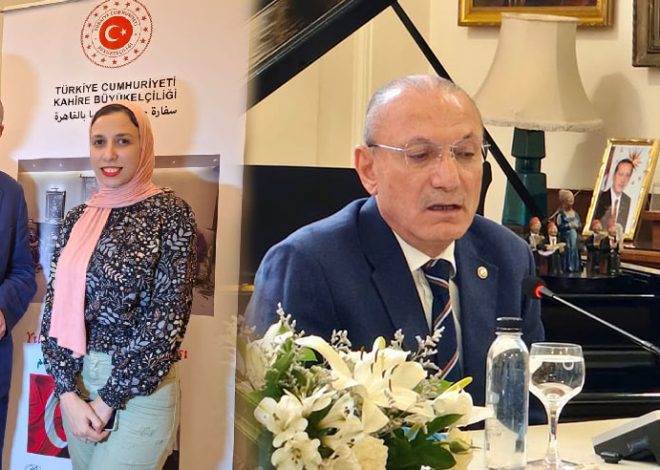
Turkish Ambassador to Egypt, Salih Mutlu Şen, affirmed that Egyptian-Turkish relations are witnessing an unprecedented phase of political, economic, and strategic rapprochement.
Tourism & Cultural Affairs
Agriculture & Food
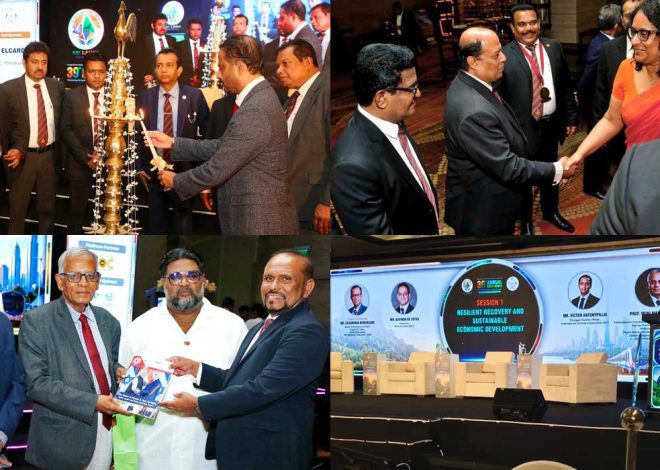
Drawing from the strategic mandates established at the 39th Annual Conference of the Organisation of Professional Associations (OPA) of Sri Lanka under the paradigm "Envisioning Sri Lanka – Beyond Recovery,"…
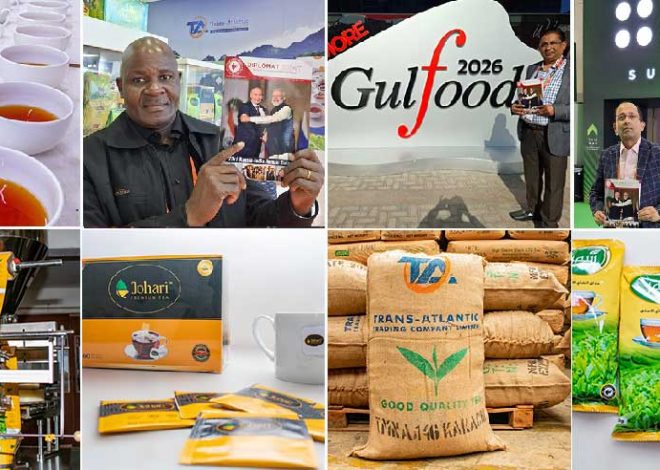
In the evolving landscape of global agri-trade, tea remains one of Africa’s most enduring and culturally significant exports. Among the companies redefining Africa’s premium tea presence on the world stage…
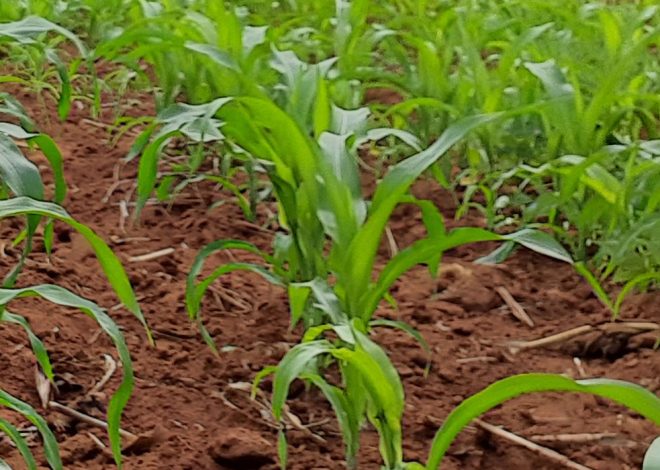
Digital Transformation of Africa’s Agricultural Sector: Need to have Challenges understood, Priorities drawn and Strategies worked out, in the era of globalization and digitalised economy
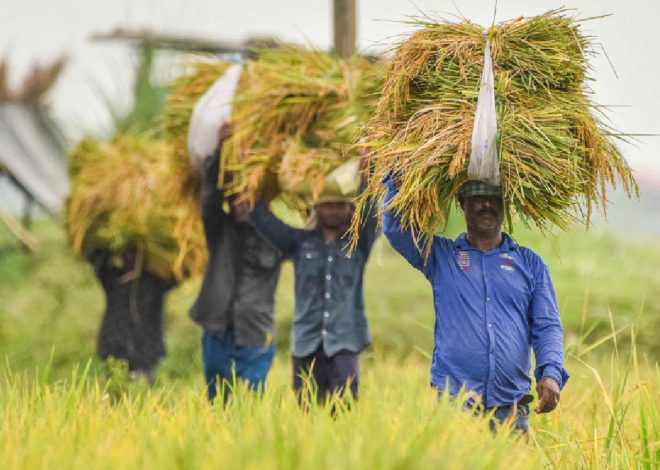
Dr. Soumya Swaminathan, Chairperson of the M.S. Swaminathan Research Foundation and former Deputy Director-General at the World Health Organization (WHO), on Thursday praised Prime Minister Narendra Modi for his unwavering…
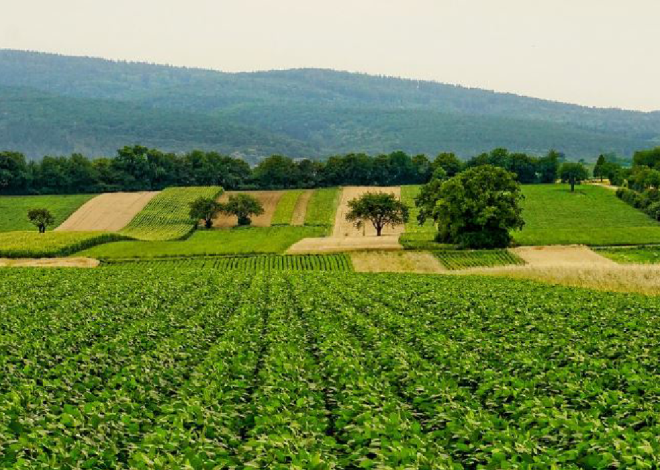
Digital transformation of Namibia’s Agri-Food Sector: Unlocking potential, empowering smallholders, and creating jobs for rural youth, synergizing STAS 2025 and Digital Namibia Strategy 2021through AgriTech Startups in Rural Areas
Education & Innovation


Environment & Sustainability
India’s fight for cleaner air is entering a new phase—one that goes beyond awareness to measurable action. From expanding air-quality monitoring and tackling pollution at its sources to strengthening city-level…
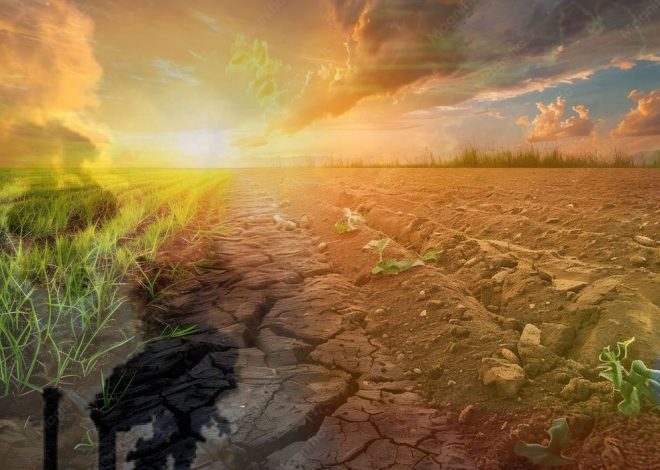
Rising temperatures, recurring climate disasters, water stress, biodiversity degradation and increasing socio-economic vulnerabilities have transformed climate change from a purely environmental challenge into a geopolitical reality
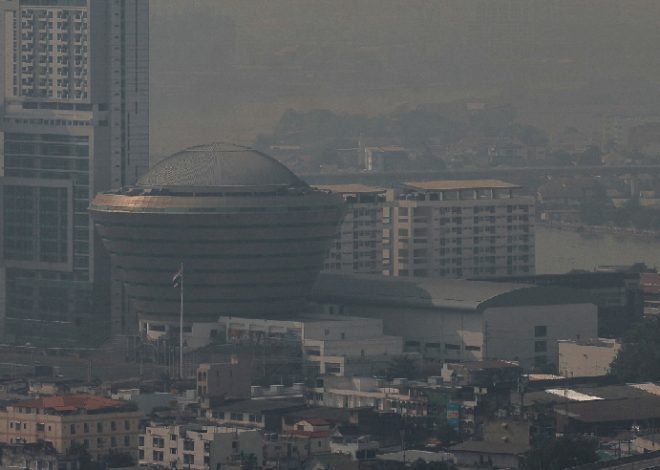
Rising geopolitical tensions involving the United States, Israel, and Iran are intensifying the air quality crisis across West and South Asia. Beyond health and agriculture, the crisis is reshaping global…
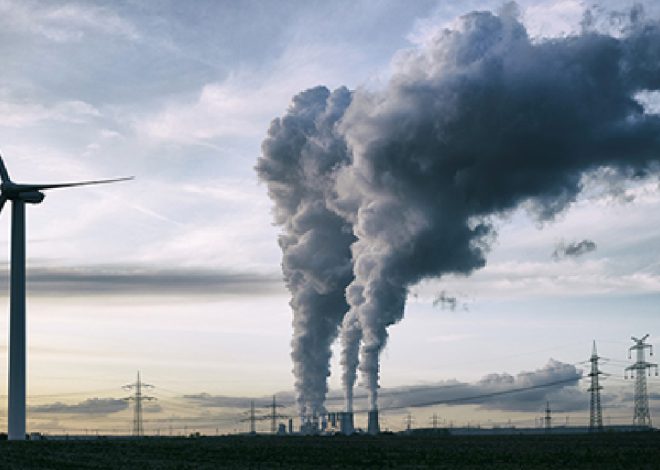
Sustainability in global trade is a core determinant of competitiveness, risk management, and long-term value creation, which earlier may have been simply classified as a peripheral ESG (Environmental, Social, Governance)…
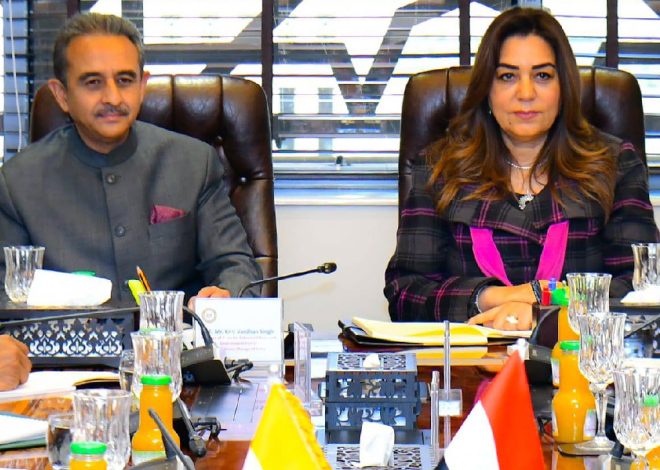
Dr. Manal Awad, Minister of Local Development and Environment, received Shri Kirtivardan Singh, Minister of State for External Affairs, Environment, Forests, and Climate Change of the Republic of India, to…
Transport & Mobility



Energy & Climate

Every year, world leaders gather to negotiate the future of our planet. Agreements are announced, speeches are applauded, and new commitments dominate headlines. Yet when the conference halls empty, climate…
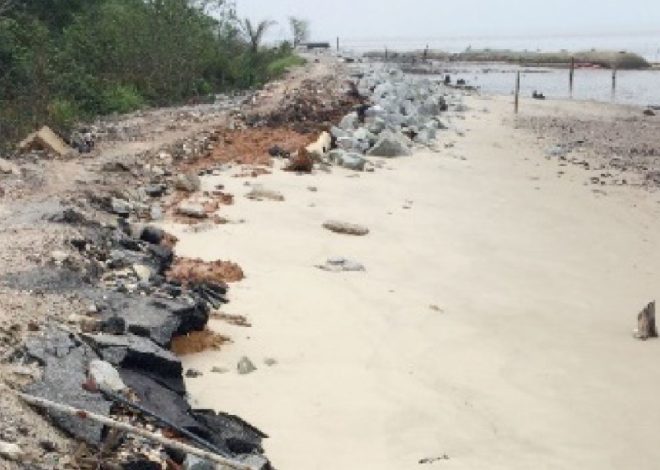
The climate crisis is not only an environmental issue but also a question of justice, inequality, and global power. While vulnerable nations suffer the worst impacts despite contributing the least…
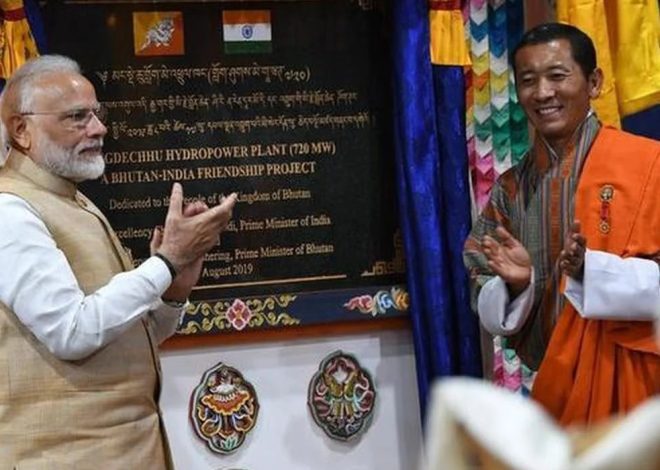
In the serene landscapes of Thimphu, India and Bhutan took another decisive step in their decades-long partnership this week. During a high-level bilateral meeting, both nations agreed to enhance cooperation…
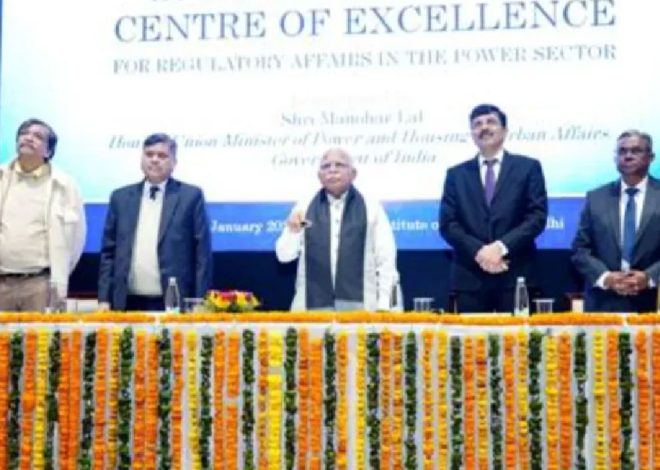
Union Minister of Power Manohar Lal on Monday inaugurated the Centre of Excellence (CoE) for Regulatory Affairs in the Power Sector at the Indian Institute of Technology (IIT) Delhi, calling…
The global climate crisis and the urgent need for a clean energy transition have reshaped the foundations of international diplomacy. In this new paradigm, strategic alliances are increasingly forged not…
Latest Edition and Special Release
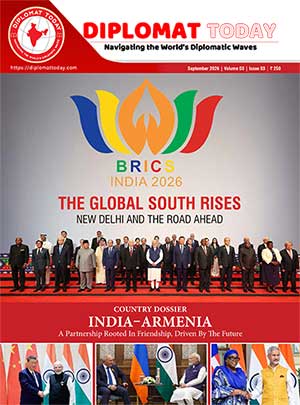

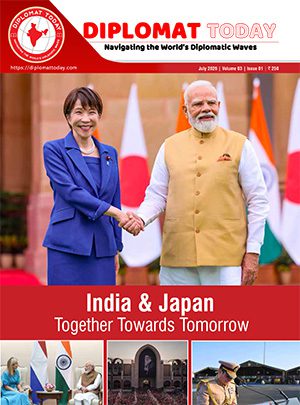
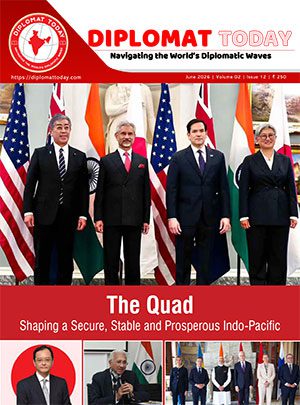

Lula’s Historic Fourth Term: Brazil’s Global Role, BRICS and the Future of India–Brazil Relations
Brazilian President Luiz Inácio Lula da Silva’s historic fourth, non-consecutive term comes at a pivotal moment in global affairs. As Brazil navigates US tariff pressures, domestic economic challenges and the evolving role of BRICS, its partnership with India offers new opportunities for trade, investment, renewable energy and technological cooperation. Lula’s next term will test Brazil’s ability to balance diplomatic independence with economic resilience, while strengthening international partnerships in an increasingly complex global order.
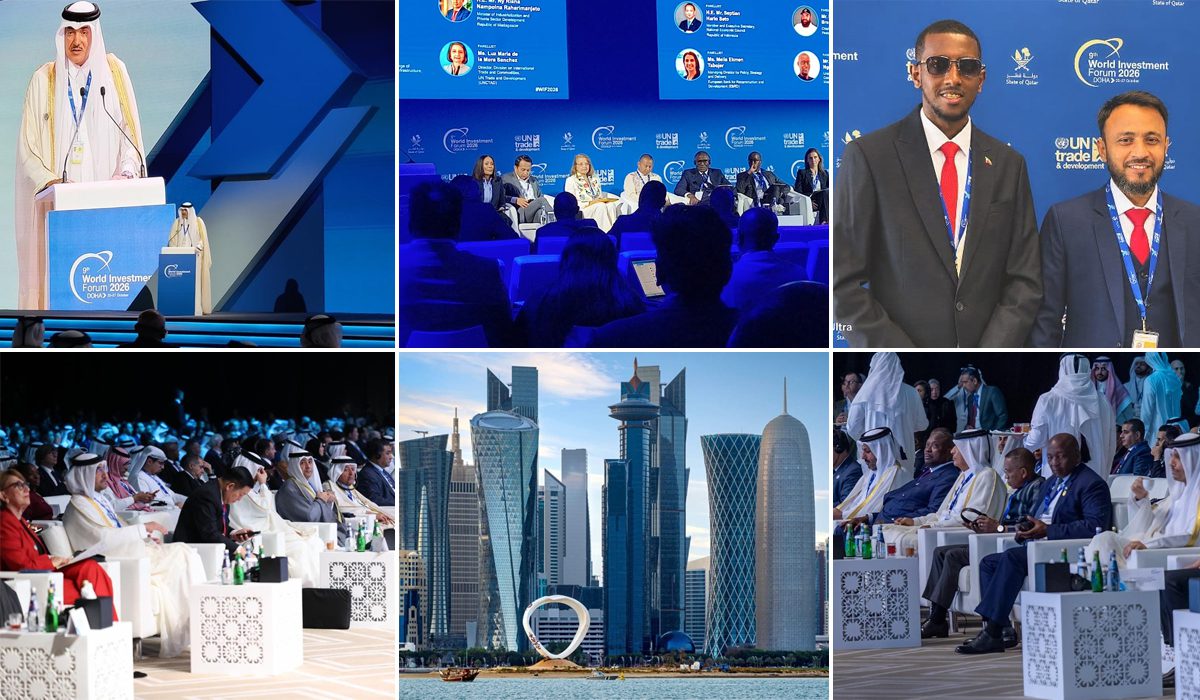
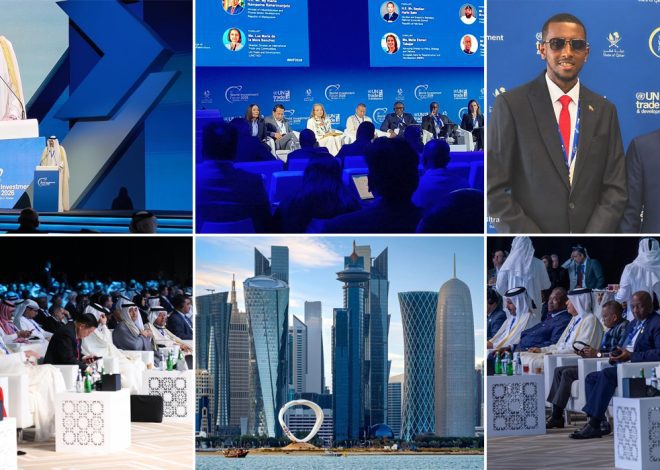
World Investment Forum 2026 Opens in Qatar, Bringing Together Global Leaders and Investors
The ninth edition of the World Investment Forum 2026 officially opened today in Doha, Qatar, bringing together government leaders, investors, business executives, and representatives of international organizations to discuss the future of global investment and sustainable development.
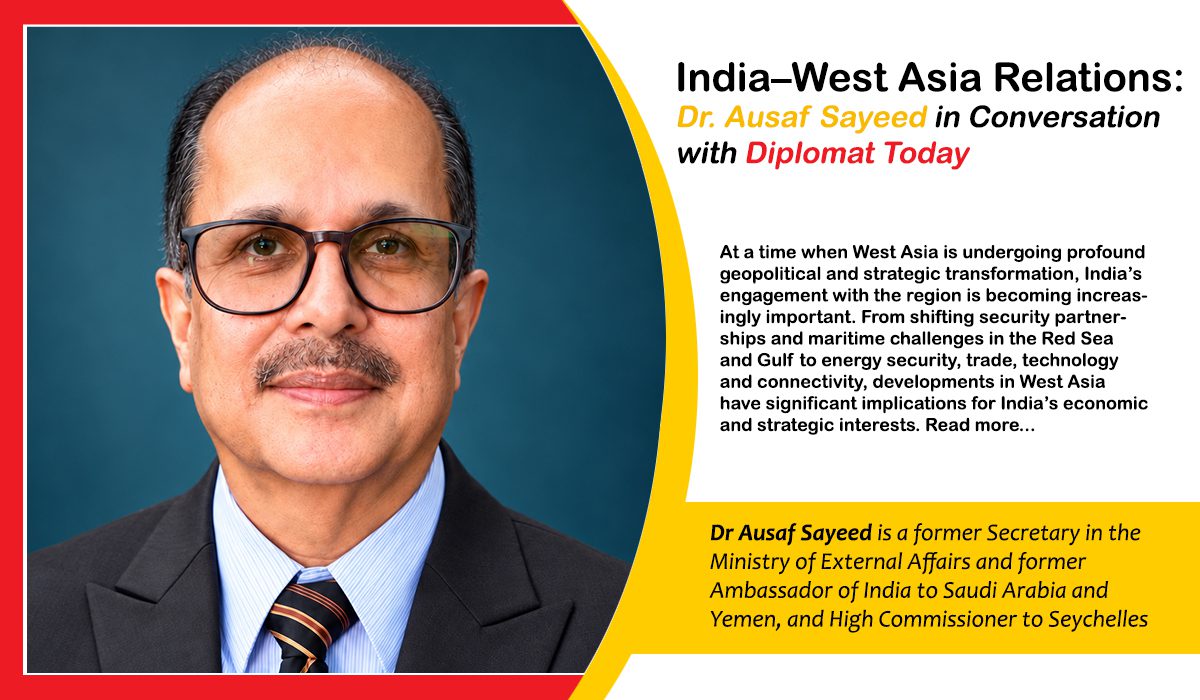
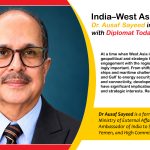
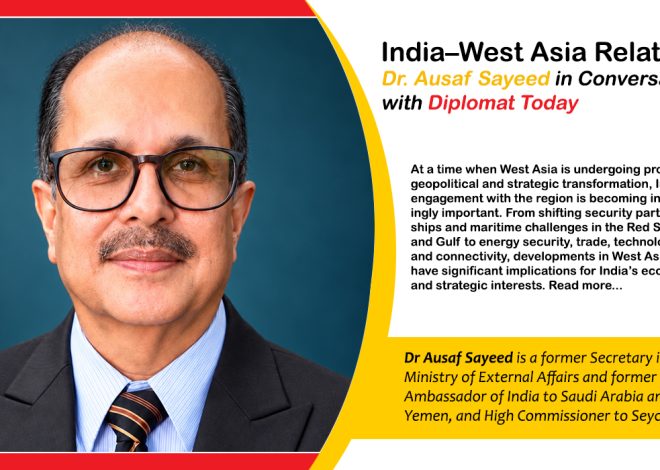
Navigating a New West Asia: India’s Strategic Choices Ahead
In this exclusive conversation with Diplomat Today, Dr Ausaf Sayeed, former Secretary in the Ministry of External Affairs, former Ambassador of India to Saudi Arabia and Yemen, and former High Commissioner to Seychelles, shares his assessment of the region’s evolving strategic landscape and the future of India–West Asia relations. He discusses the emerging Gulf security architecture, India’s role in promoting stability around Yemen and the Red Sea, the importance of its longstanding ties with Gulf countries, and the opportunities for deeper cooperation in energy, investment, infrastructure, technology and connectivity.
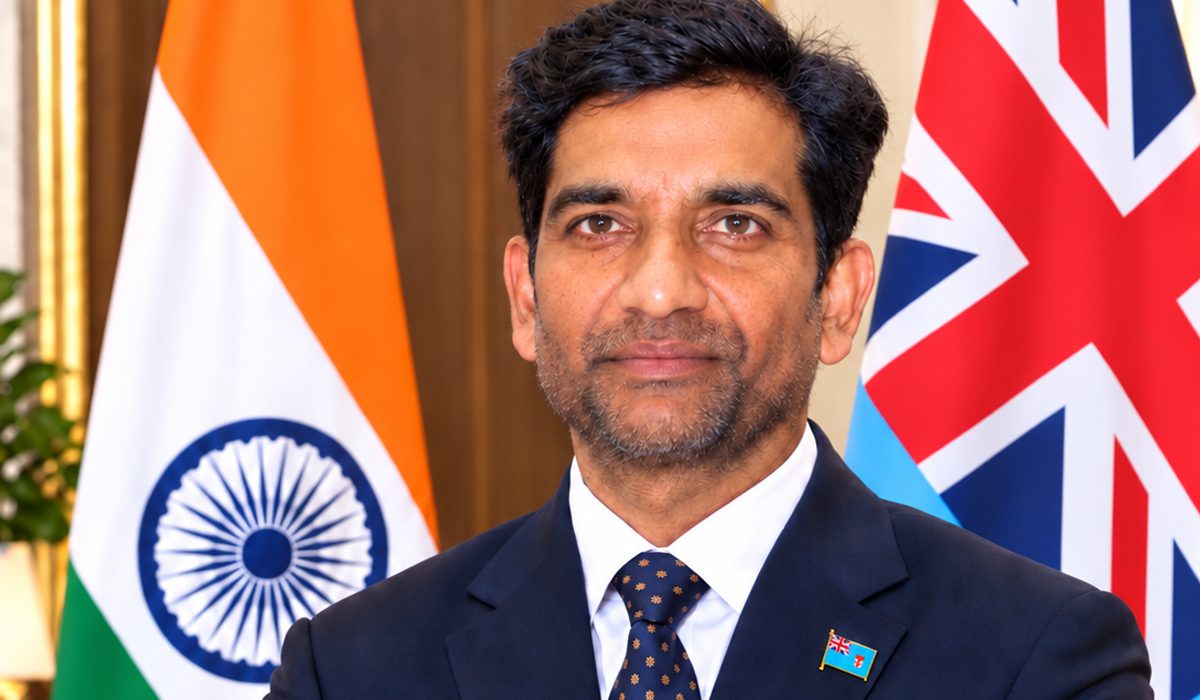
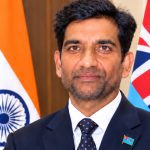
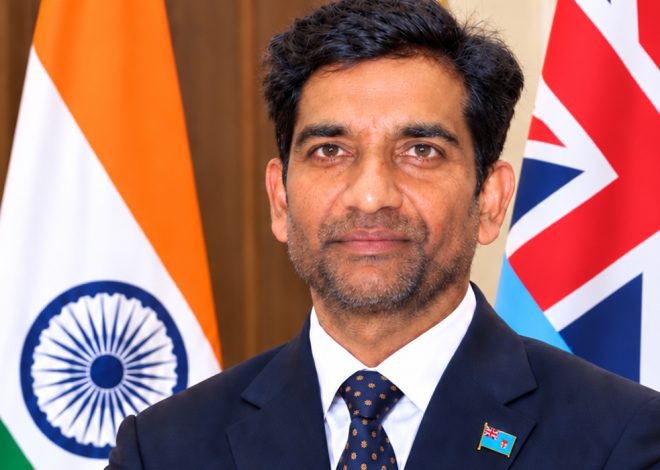
Dr. Ram Boddapati’s Appointment as Fiji’s Honorary Consul in Hyderabad: Opening New Avenues for India–Fiji Cooperation
Dr. Ram Boddapati’s appointment as Fiji’s Honorary Consul in Hyderabad offers new opportunities to strengthen India–Fiji relations through healthcare partnerships, trade, investment and people-to-people engagement, while deepening India’s cooperation with the Pacific region.
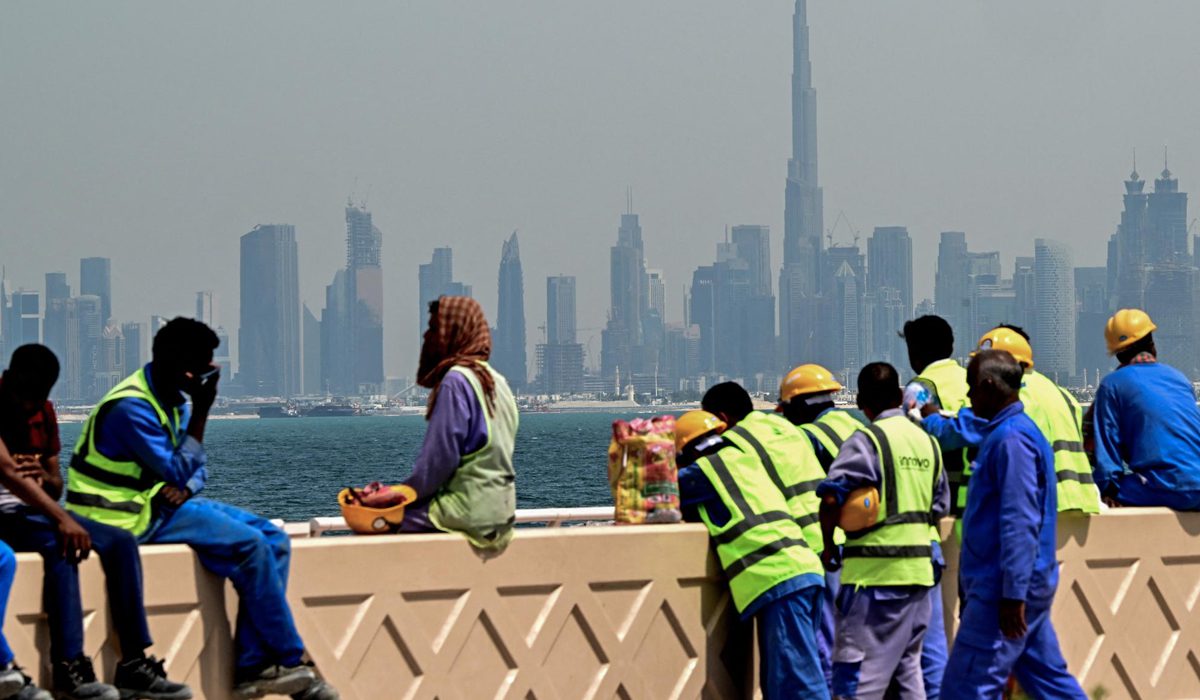
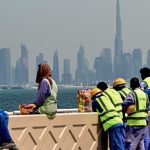
Pakistan Must Protect Remittance Lifeline from Gulf Instability
Remittances are a vital pillar of Pakistan’s economy, supporting families and strengthening foreign exchange reserves. Protecting migrant workers and ensuring reliable money transfers must be priorities. Pakistan should prepare for potential Gulf disruptions while reducing long-term dependence on remittances through domestic employment, sustainable businesses and investment opportunities.
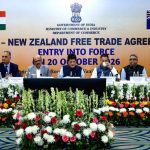
India–New Zealand Free Trade Agreement: Opening New Horizons for Indian Exports
India’s Free Trade Agreement with New Zealand marks a significant step towards expanding the country’s global trade footprint. With 100% zero-duty access to the New Zealand market for Indian exports, the landmark pact is expected to create new opportunities for exporters, farmers, MSMEs and service providers. The agreement promises to strengthen bilateral economic ties, enhance export competitiveness and open new avenues for Indian businesses to access international markets, reinforcing India’s ambition to become a leading global trading partner.
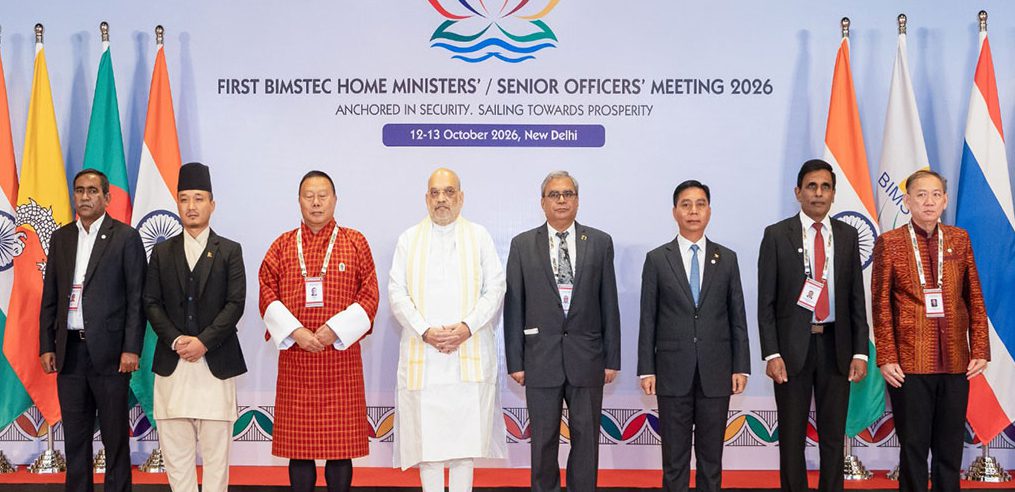
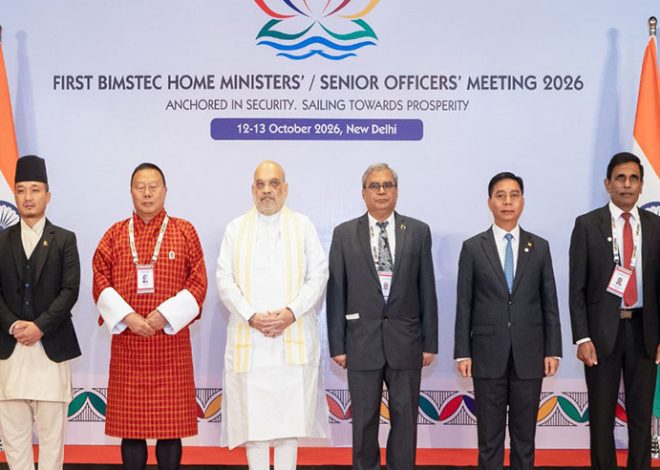
United for a Safer Bay of Bengal: BIMSTEC Nations Adopt Delhi Declaration to Strengthen Regional Security
BIMSTEC Member States reaffirmed their commitment to regional security and cooperation at the inaugural Home Ministers’ Meeting held in New Delhi on 13 October 2026. With the adoption of the Delhi Declaration, the seven nations pledged to strengthen collective efforts against terrorism, drug trafficking, cybercrime, human trafficking and transnational organised crime. Representing Sri Lanka, Minister of Public Security and Parliamentary Affairs, Hon. Ananda Wijepala, emphasised the importance of enhanced information-sharing, coordinated law enforcement and practical regional partnerships in building a safer, more resilient and prosperous Bay of Bengal region.
India-Nigeria 2026: Building a Youth-Driven Strategic Partnership for the Global South
For decades, India-Nigeria relations have thrived on crude oil trade, political solidarity and South-South cooperation. While this foundation remains important, the world is changing. The shift from crude oil to clean energy, the rise of Artificial Intelligence, and the urgent need for youth employment call for a new, strategic partnership that is youth-led and future-focused.
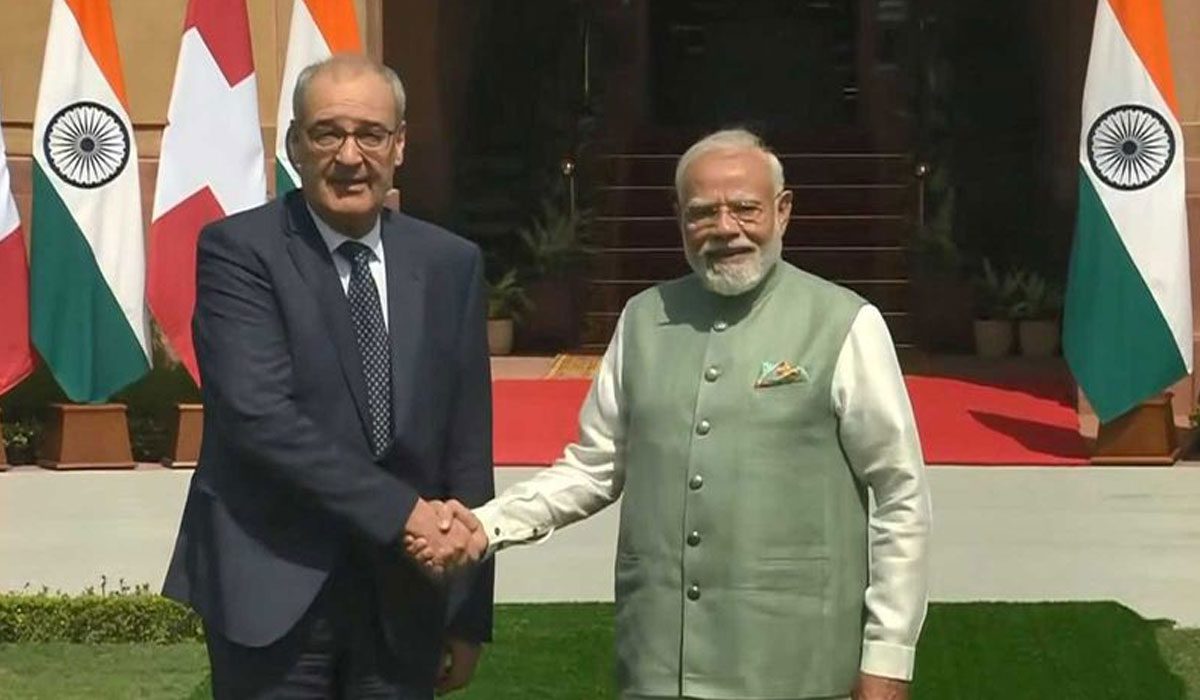
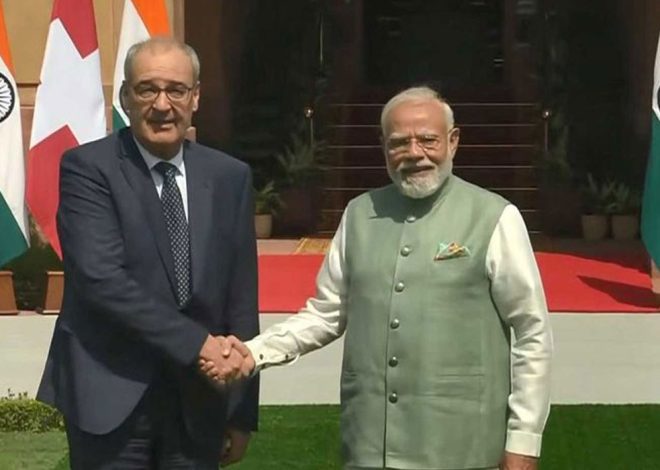
India–Switzerland Relations Gain New Momentum as President Parmelin Visits New Delhi
President Guy Parmelin’s 5–7 October 2026 state visit to India has given fresh momentum to bilateral relations, with trade, technology, science, mobility, infrastructure and AI emerging as key areas of cooperation. Coinciding with the first anniversary of the India–EFTA trade agreement, the visit also produced agreements on migration and young professionals, highlighting a broader and increasingly future-focused India–Switzerland partnership.
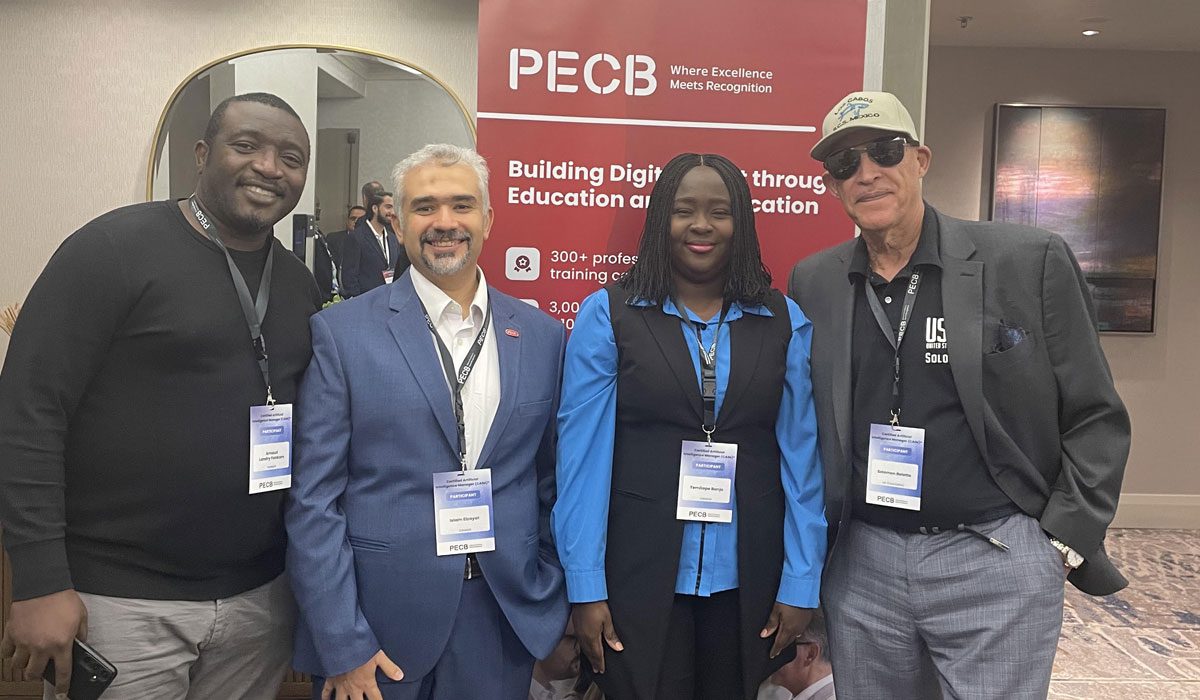
Africa–North America: Building a New Bridge for Professional Skills and Digital Governance
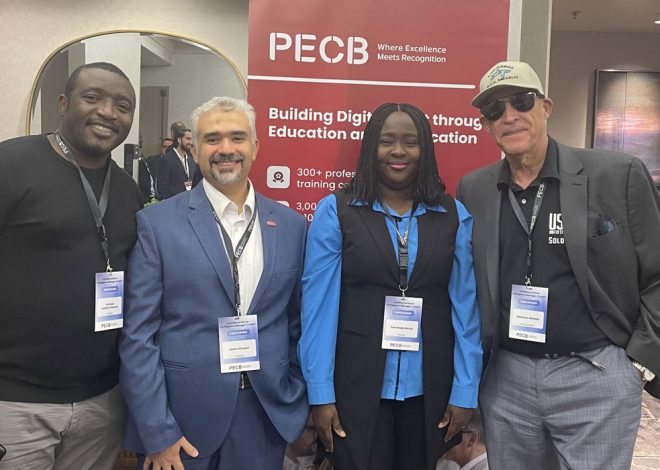
Africa’s digital transformation is creating growing demand for expertise in artificial intelligence, cybersecurity and international standards. The emerging USAFI–PECB partnership seeks to connect African professionals and institutions with North American expertise through professional training, capacity building and knowledge exchange. Its broader goal is to strengthen workforce readiness, institutional development and responsible technological adoption while creating a lasting bridge between African and North American professional networks.