




The Volatility Dividend: Navigating the New Global Energy Realignment
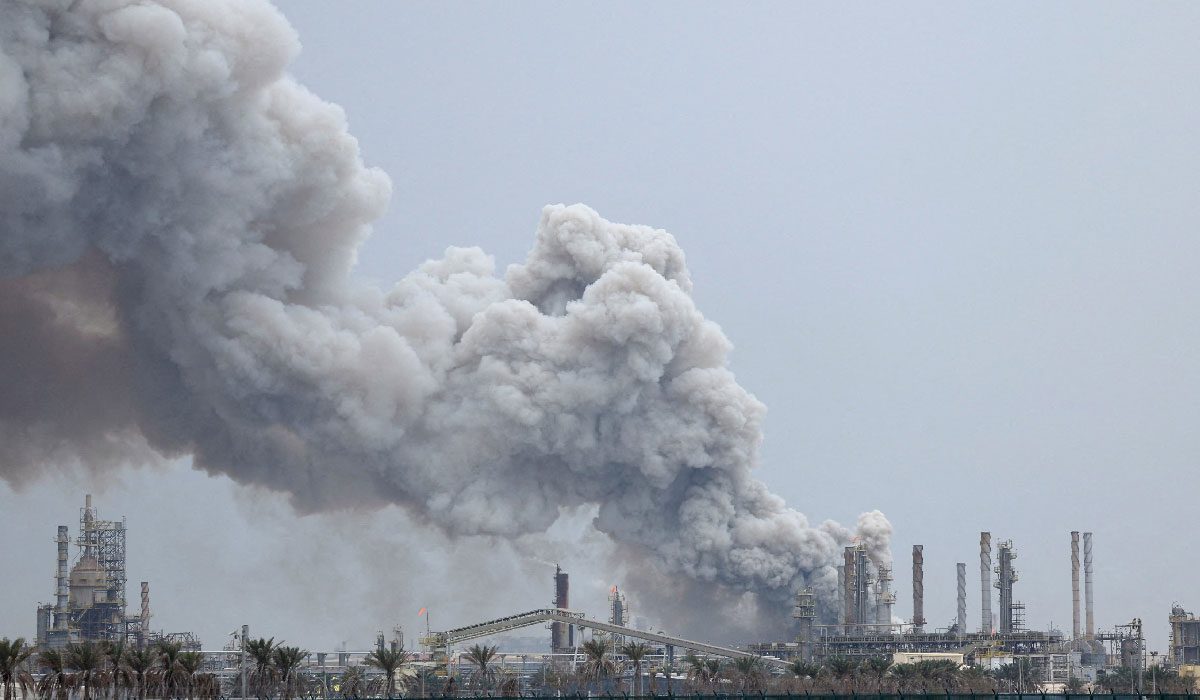
The drumbeats of conflict in the Middle East, specifically the looming specter of strikes involving Iran, have sent a predictable but no less jarring tremor through global markets. As fuel shortages manifest from the local pumps of East Africa to the industrial hubs of Europe, the world is reminded of the fragile tether connecting global peace to economic survival. This is the opening act of a looming recession where the "scandal economy" thrives—where billions are lost in opaque oil import schemes or diverted subsidies, while global energy giants report record-breaking windfall profits.
Yet, history demonstrates that a global squeeze is rarely a universal tragedy. While oil-dependent grids—often monopolized by governments and vulnerable to corruption—are choked by energy costs, a parallel "innovation economy" is surging. The destruction of old supply chains is funding the birth of the new, mirroring the industrial pivots of 1940. Multi-billion-dollar empires like Fanta and M&Ms were born from the desperate experiments of the Second World War. Fanta, created from whey and apple pomace when Coca-Cola syrup was cut off by embargoes, proved that a "leftover" product can emerge from extreme scarcity to become a global household name. Today, that same spirit drives the American defense sector's drone production and the aggressive acceleration of renewable energy as a matter of immediate national security.
This energy transition, however, requires a fundamental shift in the social contract. To bypass centralized grids that have become victims of their own monopolies, a move toward household-level energy independence is essential. Such a transition requires governments of goodwill to deploy subsidies, often drawn from emergency response funds, alongside a concerted "pound of effort" from individuals and corporations. By decentralizing power, small-scale renewable start-ups are positioned to grow exponentially, eventually leaving only heavy industrial sectors dependent on the traditional grid until more suitable, high-capacity alternatives emerge.
Beyond energy, the most significant "volatility dividend" is found in the massive realignment of global capital through real estate. Conflict-driven displacement of high-net-worth populations creates a surge in foreign investment in stable jurisdictions. We see this in the movement of wealth from Gaza, often camouflaged by nations like South Africa where foreign land ownership remains unrestricted. If we consider the potential displacement of a far wealthier, oil-rich Iranian elite, the influx of capital into countries with enticing investor policies would be unprecedented, rapidly appreciating land values and creating a boom in resilient economies elsewhere.
Ultimately, a school of thought exists that places the "Responsibility to Rebuild" on the shoulders of the global superpowers whose maneuvers often spark these crises. There is a moral imperative for intergovernmental-to-corporate diplomacy to bridge the gaps they have created. For instance, the revitalization of programs similar to the recently dismantled USAID could now be paired with the deployment of underutilized American autonomous logistics fleets. By utilizing heavy-lift, non-fuel-dependent drones to transport medical supplies and food, the international community can bypass the fuel-choked transit corridors that currently exacerbate drought and famine in Africa. If the actors at the top are to be blamed for orchestrating the volatility, it is through these technological and diplomatic contingencies that they must facilitate the world's reconstruction.
The coming months will likely see a widening gap between nations that succumb to energy paralysis and those that capitalize on the necessity of the pivot. While the world holds its breath for a recovery more robust than the post-Ukraine-Russia era, growth will be found in these unexpected avenues. Resilient economies will not be built on a return to the status quo, but through aggressive individual and government countermeasures and the planned contingencies that decouple a nation's future from the volatility of the wellhead.
About the Author