




India’s Naval Reach in the Indo-Pacific: Eastern Fleet Ships Make Strategic Port Call in Singapore
INS Udaygiri, INS Kavaratti, and INS Shakti dock at Changi Naval Base, reinforcing India’s maritime presence and operational engagement in Southeast Asia
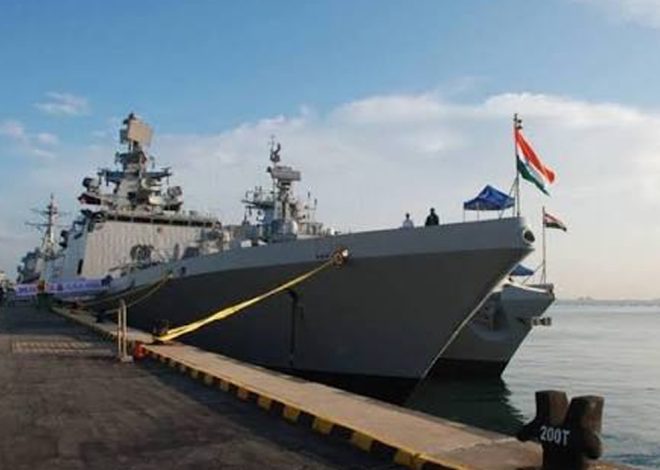
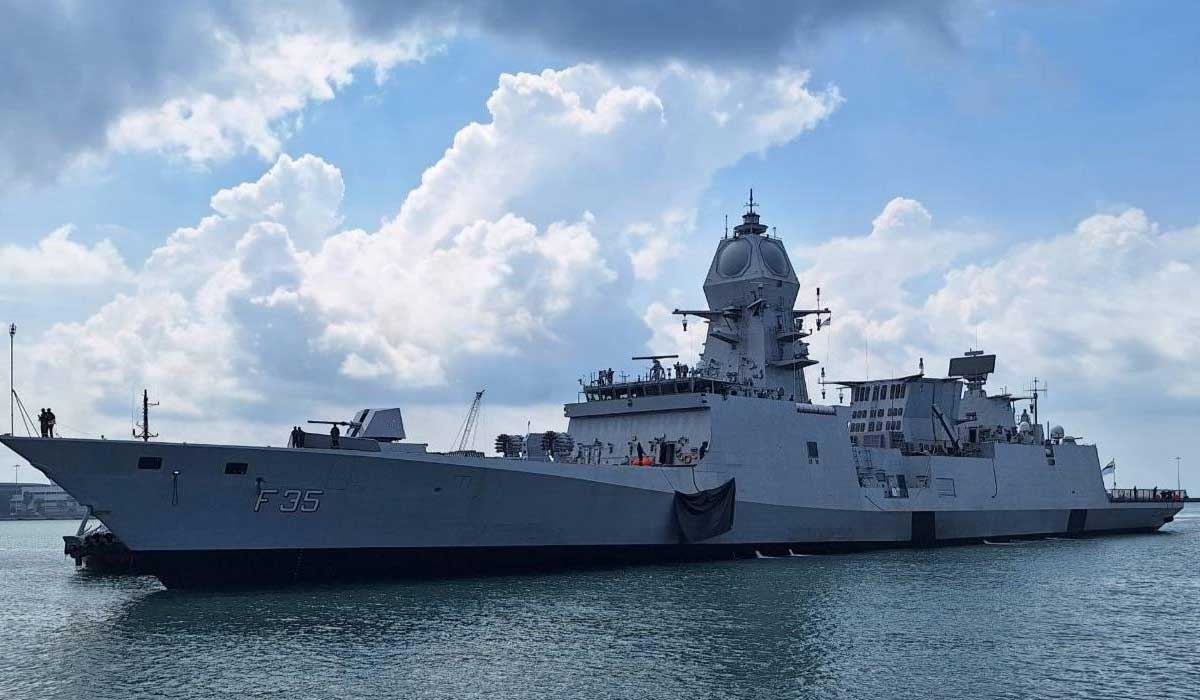
In a clear demonstration of India’s expanding maritime footprint in the Indo-Pacific, Indian Naval Ships INS Udaygiri, INS Kavaratti, and INS Shakti—all part of the Indian Navy’s Eastern Fleet—arrived at the Changi Naval Base in Singapore on July 1, marking another significant phase of India’s ongoing operational deployment in Southeast Asia.
The Ministry of Defence confirmed the port call on Thursday, underlining that the visit forms part of India’s sustained efforts to enhance maritime security cooperation, strengthen operational reach, and reinforce partnerships with key regional navies in the Indo-Pacific theatre.
The deployment reflects India’s evolving naval doctrine, which increasingly emphasizes presence, partnership, and preparedness in strategically vital sea lanes. As maritime trade routes across the Indo-Pacific carry a substantial share of global commerce, India’s Eastern Fleet continues to play a crucial role in ensuring stability, safety, and freedom of navigation in these waters.
The visit to Singapore is not merely ceremonial; it is a carefully calibrated operational engagement aimed at deepening interoperability between the Indian Navy and the Republic of Singapore Navy. Such port calls typically include professional exchanges, cross-deck interactions, and coordination activities that enhance mutual understanding and readiness for coordinated maritime operations.
INS Shakti, a fleet tanker, plays a particularly vital role in sustaining long-range naval deployments by providing logistical support at sea, enabling the task group to remain operationally effective across extended durations. Meanwhile, INS Udaygiri and INS Kavaratti represent India’s modern surface combatant capabilities, reflecting the Navy’s transition towards advanced, indigenous warship design and construction under the country’s self-reliance initiatives.
Strategically, the deployment comes at a time when the Indo-Pacific region is witnessing heightened geopolitical attention, with nations increasingly focused on maritime security, supply chain resilience, and collaborative naval diplomacy. India’s sustained presence in Southeast Asia signals its commitment to being a reliable security partner and a stabilising force in the region.
Over the years, India and Singapore have developed a robust defence partnership encompassing naval exercises, intelligence sharing, and maritime domain awareness initiatives. This latest port call further strengthens that foundation, reinforcing the shared objective of a free, open, and inclusive Indo-Pacific.
Beyond operational objectives, such deployments also carry symbolic weight. They reflect India’s growing confidence as a blue-water navy capable of extended deployments far from home ports, while simultaneously highlighting its commitment to cooperative security frameworks rather than competitive confrontation.
As the Eastern Fleet continues its mission across the Indo-Pacific, the visit to Changi Naval Base stands as another reminder of India’s steady and deliberate rise as a maritime power—anchored in capability, cooperation, and strategic clarity.