From Observer to Convener: A New Chapter in Digital Multilateralism

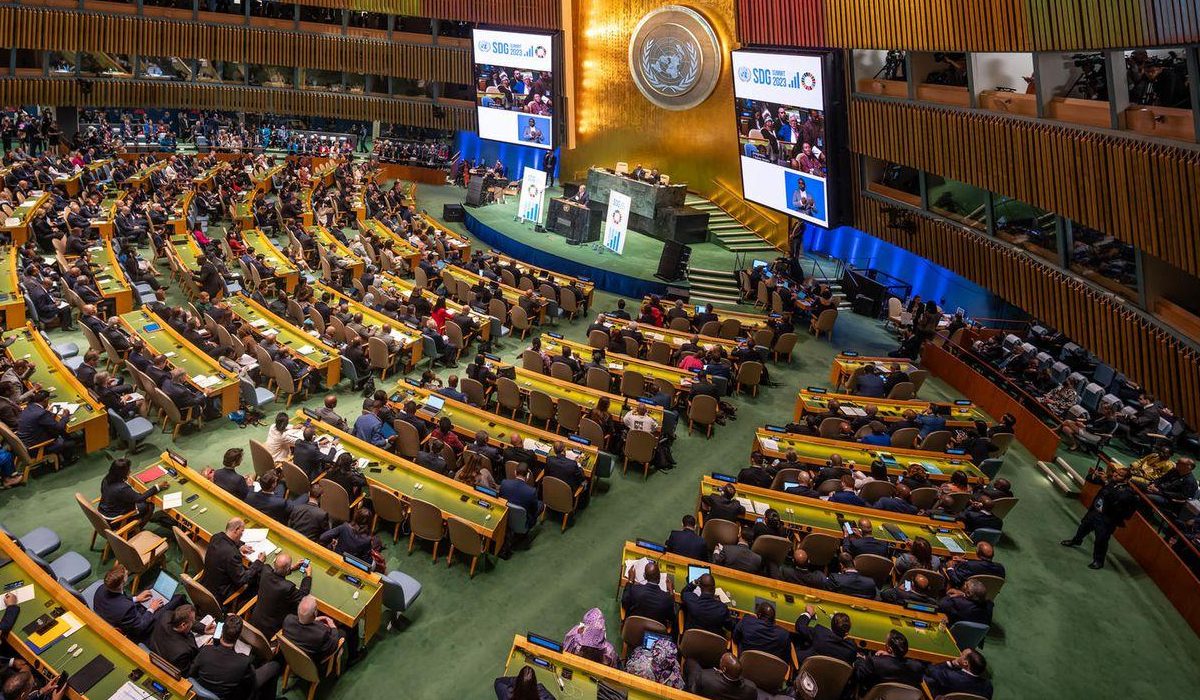
As digital technology reshapes international relations, cooperation beyond national borders is becoming increasingly important. Haneen Al Fares, Chief of Staff at the Digital Cooperation Organization (DCO), explores how emerging intergovernmental organizations can complement the United Nations, strengthen digital multilateralism and build a more connected framework for global cooperation.

Lula’s Historic Fourth Term: Brazil’s Global Role, BRICS and the Future of India–Brazil Relations

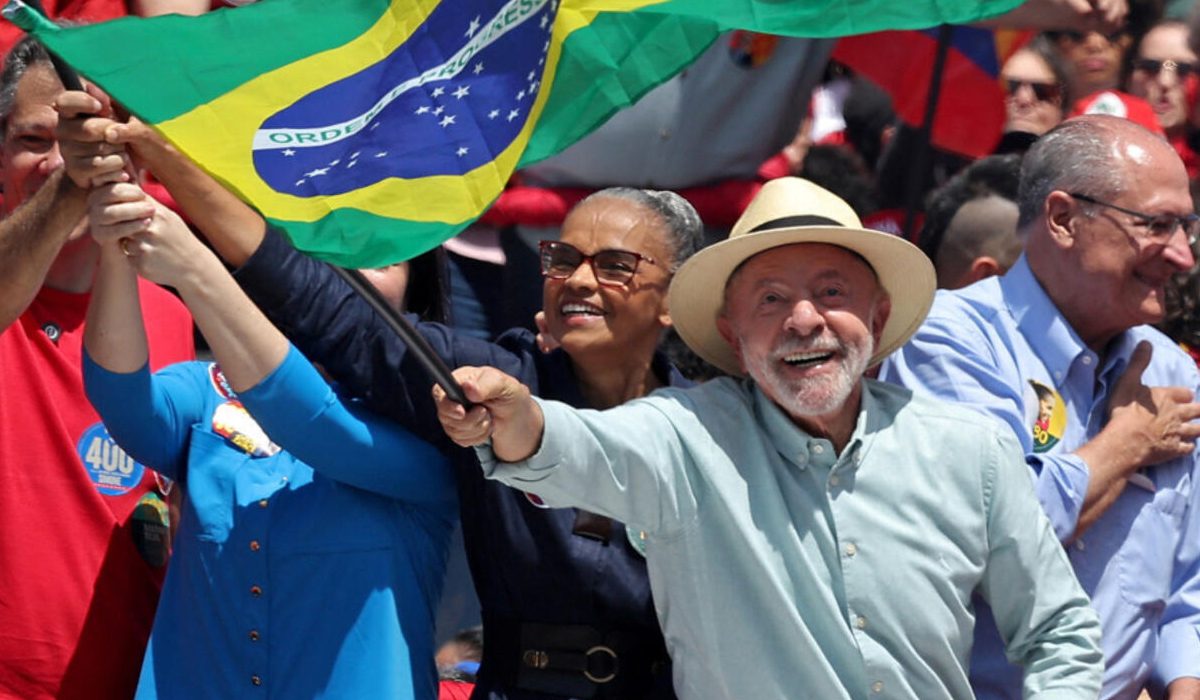
Brazilian President Luiz Inácio Lula da Silva’s historic fourth, non-consecutive term comes at a pivotal moment in global affairs. As Brazil navigates US tariff pressures, domestic economic challenges and the evolving role of BRICS, its partnership with India offers new opportunities for trade, investment, renewable energy and technological cooperation. Lula’s next term will test Brazil’s ability to balance diplomatic independence with economic resilience, while strengthening international partnerships in an increasingly complex global order.

BRICS 2026: Three Leaders, Three Steps and a New Global Future

As New Delhi hosts the 2026 BRICS Summit, the expanded grouping stands at a defining moment. With 11 member countries and 10 partner nations, BRICS has the scale to reshape global economic and geopolitical cooperation. The future of the bloc, however, will depend on its ability to turn diversity into collective strength through three essential pillars: Trust, Trade and Technology. With India, China and Russia playing a pivotal strategic role, New Delhi has an opportunity to advance a more connected, resilient and multipolar global order.

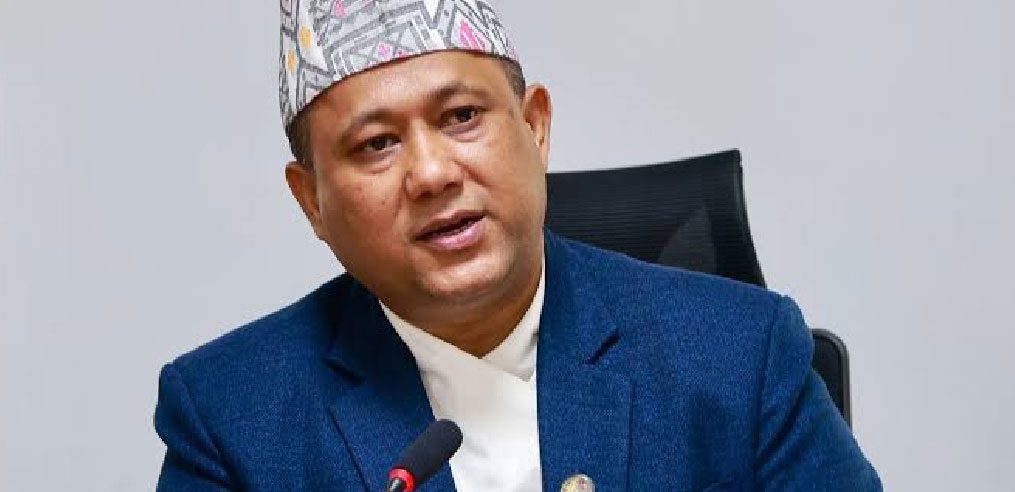
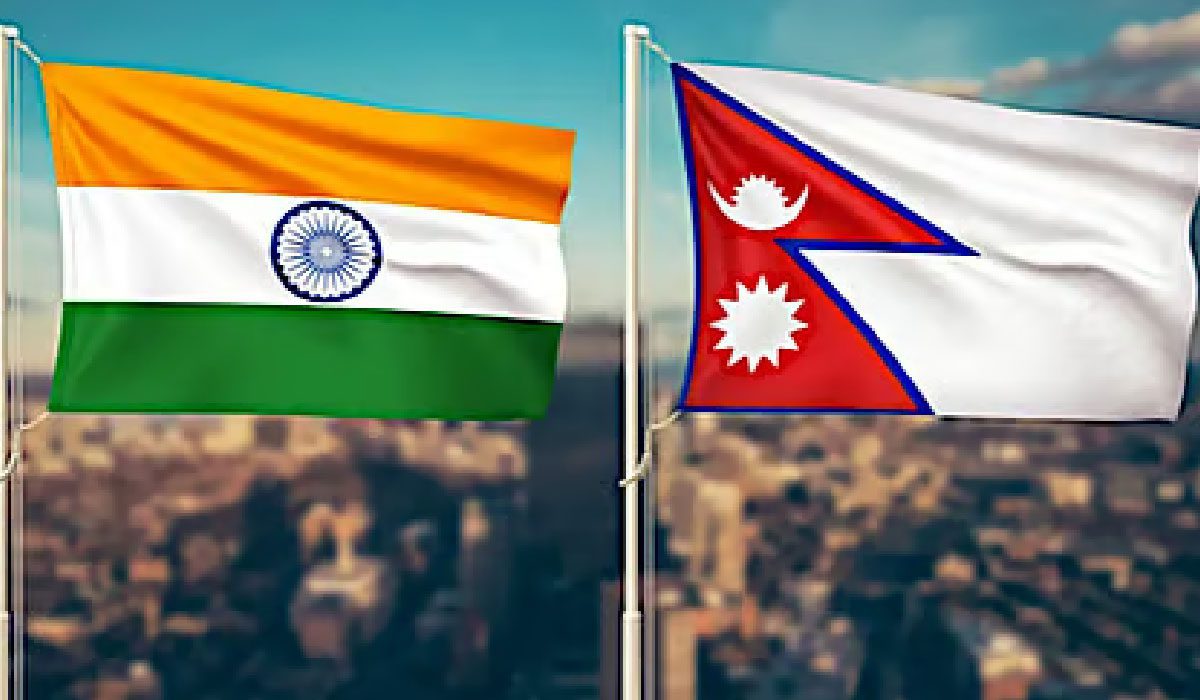
The Kathmandu Calibrations: Shisir Khanal and Nepal’s New Era of Balanced Diplomacy

The recent consecutive diplomatic visits of Nepal’s newly appointed Foreign Minister, Shisir Khanal, to New Delhi and Beijing signal a major turning point in Himalayan geopolitics. Following a massive political shift in Kathmandu that brought the youth-backed Rastriya Swatantra Party (RSP) into a ruling coalition alongside Prime Minister Balendra Shah, Nepal’s foreign policy is undergoing a visible transformation.

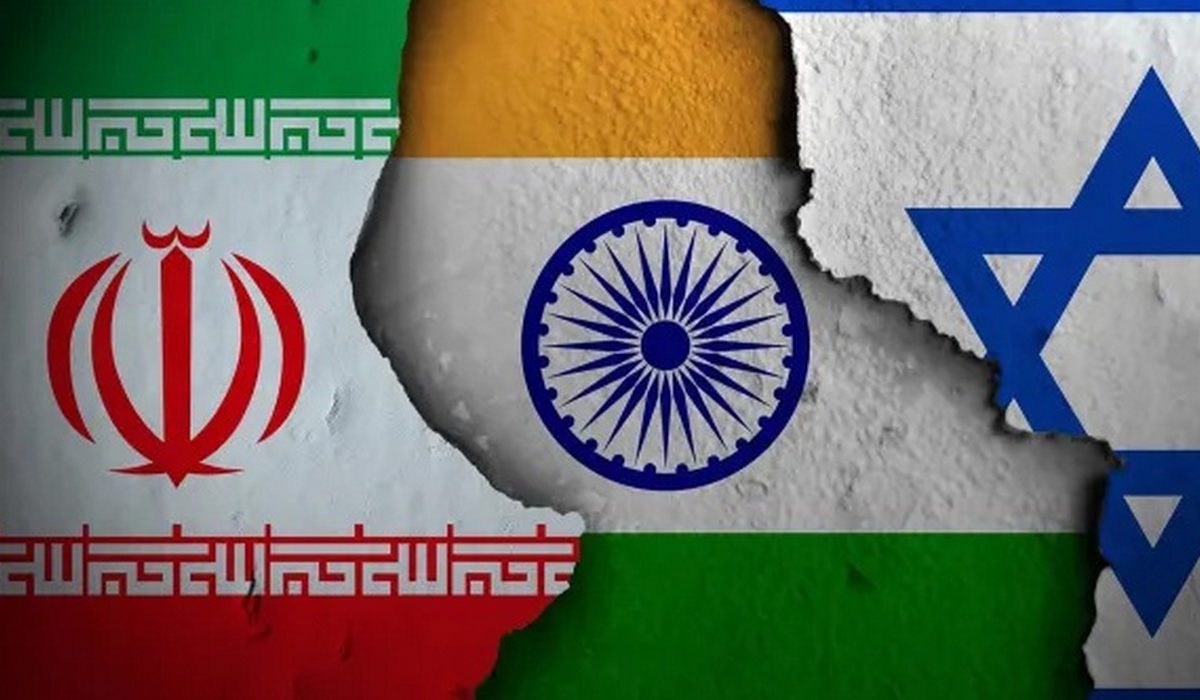
India and the Escalation in the Middle East: A Diplomatic Balance in Times of Crisis

With the escalation of tensions in the Middle East and the outbreak of military confrontations linked to the war with Iran, India finds itself facing a delicate diplomatic test of its ability to manage its complex network of international relations in one of the world’s most sensitive regions—a region of paramount strategic importance to its economic and security interests.