
Multilateralism & Current Geopolitical Scenario
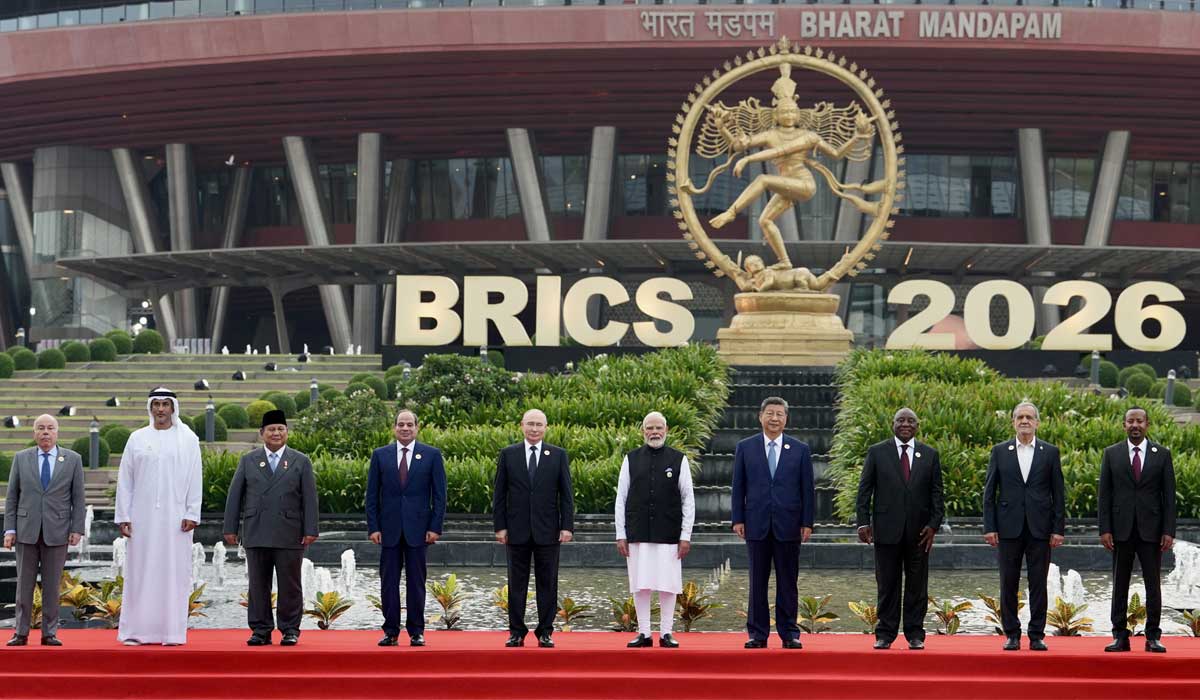
In 1980s John Gerard Ruggie explains multilateralism is coordination among three or more than three nations on the basis of generalized principle of conduct.
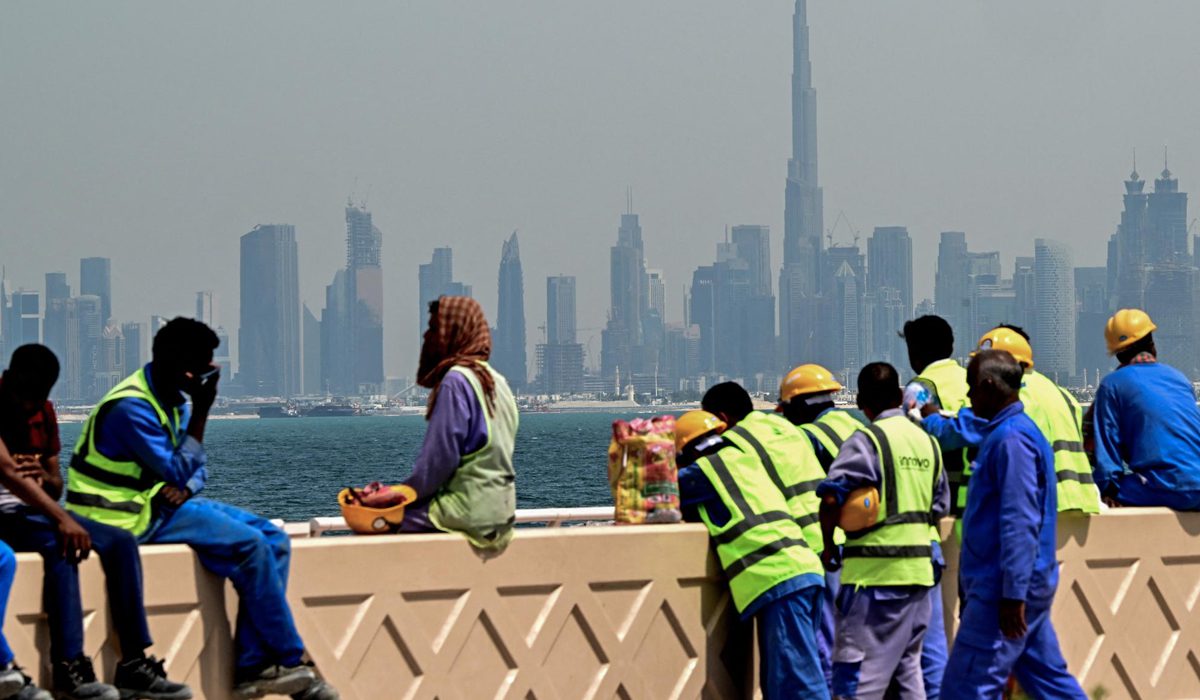
The Gulf crisis is often framed as a contest of oil markets and great power rivalry. Yet its most immediate and destabilizing consequences are felt far beyond the Gulf itself—particularly in South Asia. For Pakistan, the crisis is not distant; it is immediate.
With the escalation of tensions in the Middle East and the outbreak of military confrontations linked to the war with Iran, India finds itself facing a delicate diplomatic test of its ability to manage its complex network of international relations in one of the world’s most sensitive regions—a region of paramount strategic importance to its economic and security interests.
In the 21st century, diplomacy is no longer confined to traditional political negotiations or formal state relations. The world has entered a new era where innovation, Medical science, entrepreneurship, and ethical leadership are shaping international cooperation.
The Rashtriya Swatantrata Party’s historic victory in the elections of March 2026 (B.S. 2082/83) has marked a new era in Nepali politics. RSP’s Balendra Shah’s win over K.P Sharma Oli of Communist Party symbolises people’s rejection of old political regime in the country.
The once wealthy Gulf States with huge oil reserves have turned into nothing but a target for Iranian strikes because of the US military bases they host. The conflict in the Middle East continues to escalate and is getting worse each week after the US and Israel launched wide-ranging strikes on Iran, resulting in the assassination of Iran’s supreme leader, Ayatollah Khamenei, on 28 February.
Diplomacy has long been shaped by the language of power, strategy and national interest. Yet in the 21st century, the architecture of global diplomacy is quietly evolving. Across negotiating tables in New York, Geneva, Washington and Beijing, a new generation of women diplomats is helping reshape how nations engage with one another.
While global attention focuses on military conflicts, U.S.-led tariffs, sanctions, and strategic interventions since 2021 have subtly pressured India’s trade, energy security, and industrial competitiveness, highlighting the urgent need for strategic resilience and diversified partnerships.
What makes this moment significant is not just the violence, but the transformation in ties. Once seen as a key supporter, Pakistan now finds itself in open friction with Afghan authorities – signaling a shift from strategic alignment to direct confrontation.
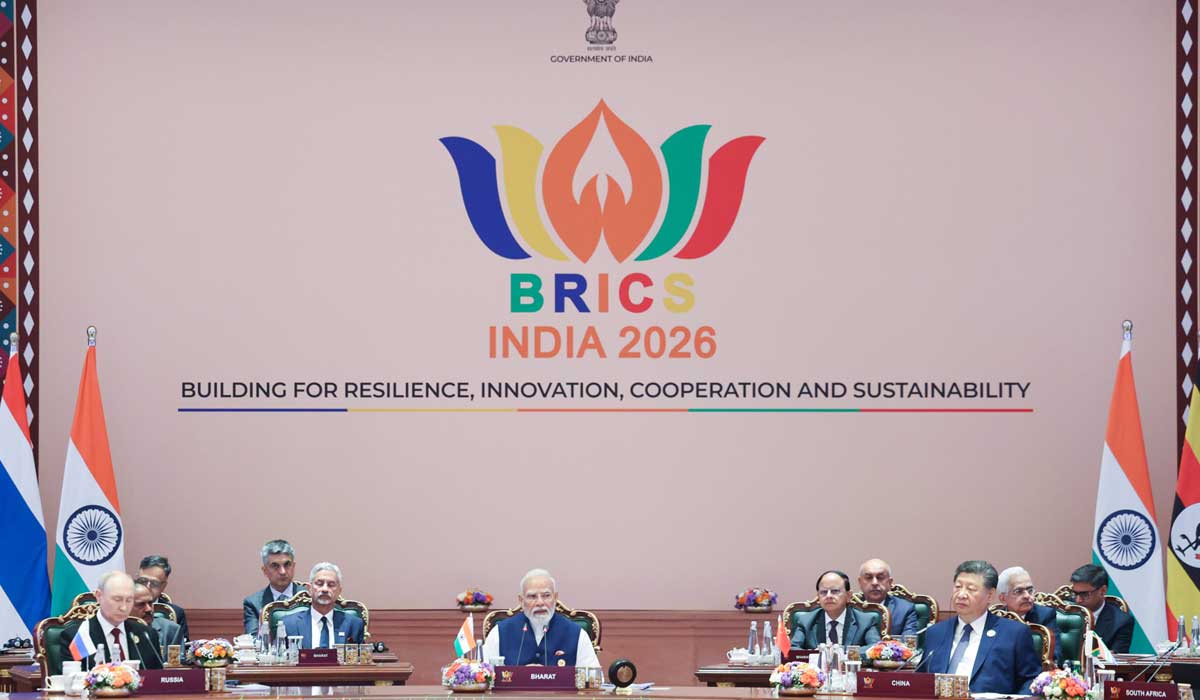
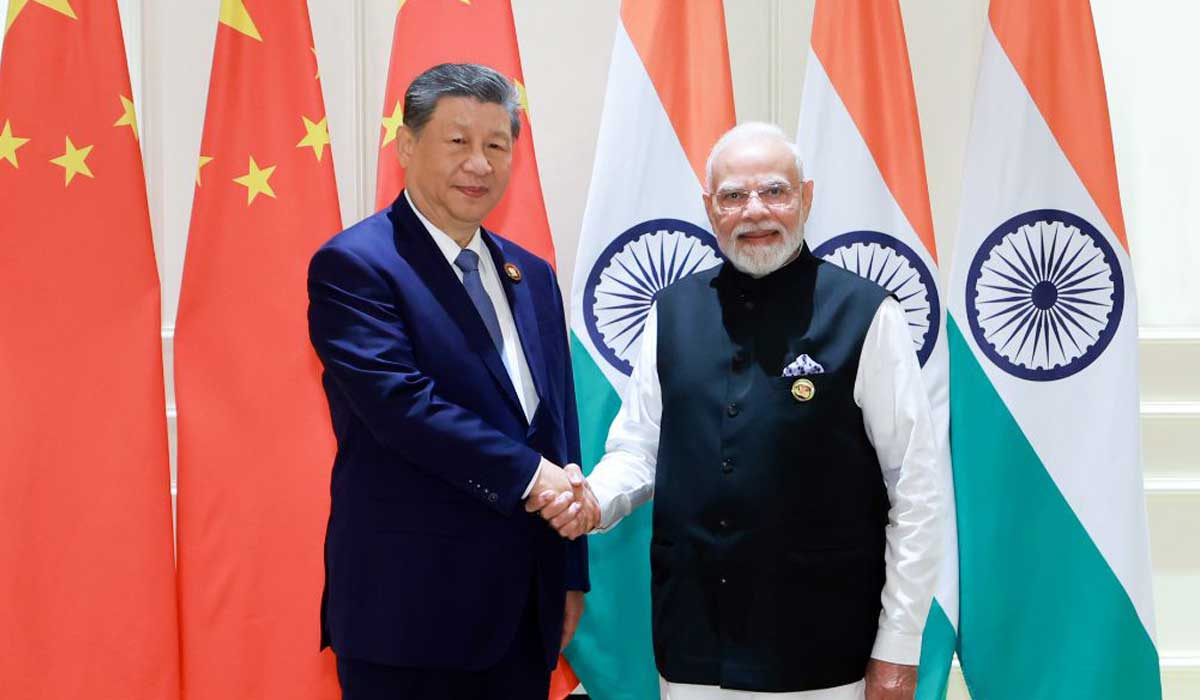
As the Middle East crisis escalates, global attention turns to energy security and international diplomacy. The Russia – India – China framework emerges as a crucial platform for consultation, demonstrating how trilateral cooperation among Eurasian powers can help manage conflicts, stabilize markets, and strengthen a balanced, multipolar global system.