




Deepening India-UAE Economic Cooperation through CEPA: Opportunities and Challenges
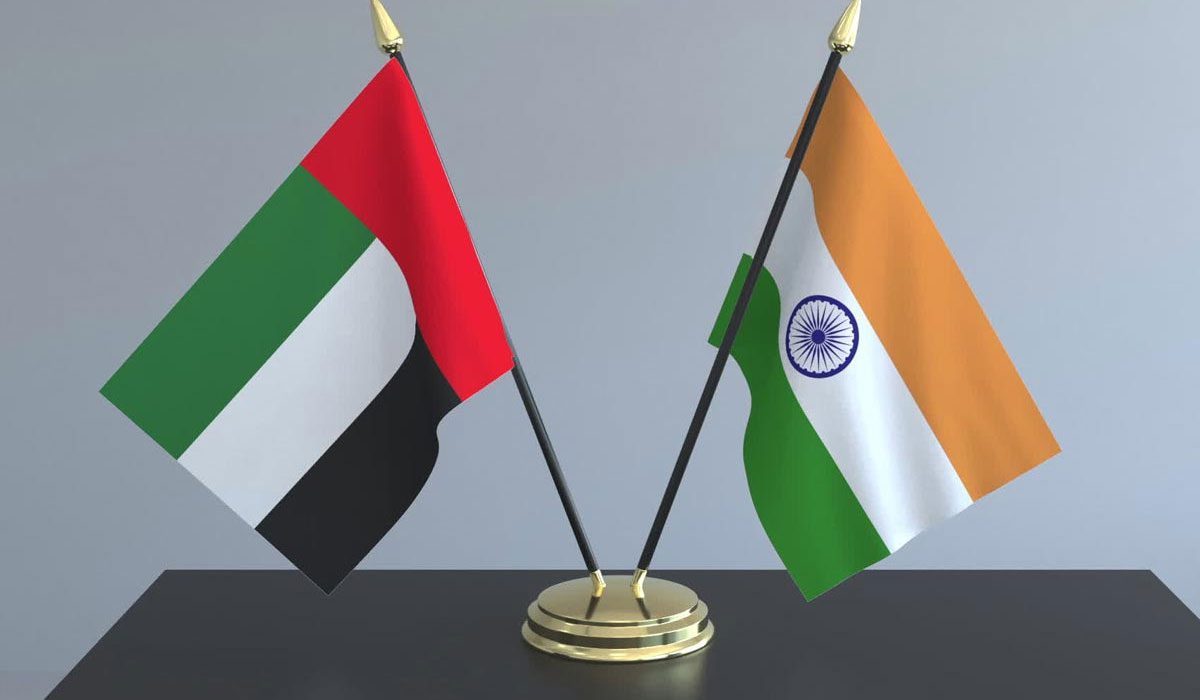
The Comprehensive Economic Partnership Agreement (CEPA) signed between India and the United Arab Emirates (UAE) in February 2022 marked a watershed moment in bilateral economic relations. Entering into force on 1 May 2022, the agreement transformed the India-UAE partnership from a largely energy and diaspora-driven relationship into a multidimensional geo-economic partnership based on trade, investment, connectivity, technology, and strategic cooperation. CEPA is India’s first major trade agreement in the West Asia region and reflects the growing importance of economic diplomacy in shaping contemporary international relations. The agreement eliminated tariffs on nearly 90 percent of traded goods, thereby creating substantial market access opportunities for exporters and investors from both countries. One of the most significant achievements of CEPA has been the rapid growth of bilateral trade. The agreement successfully facilitated the crossing of the US$100 billion bilateral trademark ahead of schedule, with trade reaching approximately US$101 billion by FY 2025–26. Non-oil trade now constitutes nearly two-thirds of total bilateral trade, highlighting the diversification of economic engagement between the two countries. Building upon this momentum, both sides have announced a new target of increasing bilateral trade to US$200 billion by 2032.
CEPA has particularly benefited several Indian sectors including gems and jewellery, textiles, pharmaceuticals, engineering goods, electronics, agriculture, and food processing. The UAE’s world-class logistics infrastructure, advanced ports, and strategic geographic location have enabled Indian businesses to use the UAE as a gateway to the wider West Asia and North Africa (WANA) region. Indian exporters, especially micro, small and medium enterprises (MSMEs), have gained improved access to regional markets through reduced tariffs and streamlined customs procedures. The agreement has also created new opportunities for Indian farmers and agricultural exporters by improving access to high-value Gulf markets. On the investment front, CEPA has accelerated foreign direct investment (FDI) flows between the two countries. UAE sovereign wealth funds and companies like the Abu Dhabi Investment Authority (ADIA) have expanded investments in Indian infrastructure, renewable energy, logistics, fintech, ports, food corridors, and digital technologies. Simultaneously, Indian companies have strengthened their presence in sectors such as information technology, healthcare, education, and retail in the UAE. Initiatives such as the Virtual Trade Corridor, Bharat Mart, and cooperation in GIFT City further demonstrate the growing institutionalisation of bilateral economic integration.
However, the implementation of the agreement is not beyond challenges. Some regulatory barriers and non-tariff measures continue to affect the full utilisation of CEPA benefits. Indian MSMEs often face difficulties in understanding rules of origin requirements and compliance standards. Additionally, dependence on global oil price fluctuations and regional geopolitical instability in West Asia could impact long-term economic cooperation. Competition from other regional trade agreements and the need for greater diversification beyond traditional sectors also remain important concerns. But the significance of CEPA cannot be overestimated. It represents a broader strategic shift in India-UAE relations toward long-term economic interdependence and South-South cooperation. By combining India’s manufacturing potential and human capital with the UAE’s financial strength and logistical connectivity, the agreement has emerged as a model for mutually beneficial partnerships among Global South countries. As both nations aim to deepen cooperation across trade, technology, energy transition, food security, and connectivity, CEPA has become a central pillar of the evolving India-UAE strategic partnership in the coming decade.
About the Author