

Rubio in New Delhi: A Visit That Strengthened the India–US Strategic Partnership
The visit of US Secretary of State Marco Rubio to New Delhi in May 2026 emerged as a major diplomatic moment for India–United States relations. More than a routine official engagement, the visit reflected the growing strategic confidence between the two democracies at a time when global politics is witnessing rapid change and uncertainty.
From high-level security discussions to cooperation in technology, trade, energy, and regional stability, Rubio’s meetings in India highlighted the expanding scope of the bilateral partnership. His participation in the Quad Foreign Ministers’ Meeting further underlined the importance both countries place on maintaining a secure and balanced Indo-Pacific region.
High-Level Talks with Prime Minister Narendra Modi
One of the most important moments of the visit was Marco Rubio’s meeting with Prime Minister Narendra Modi in New Delhi. The discussions focused on strengthening cooperation across several key sectors, including defense, economic partnership, critical technologies, clean energy, and maritime security.
Both leaders reviewed the progress made in India–US relations over recent years and emphasized the need for deeper collaboration in addressing global and regional challenges. The meeting also reflected the shared commitment of both nations to support a free, open, and stable Indo-Pacific.
Reports also indicated that Rubio conveyed an invitation from US President Donald Trump for Prime Minister Modi to visit Washington, highlighting the continued political importance of the bilateral relationship.
Strategic Discussions with External Affairs Minister S. Jaishankar
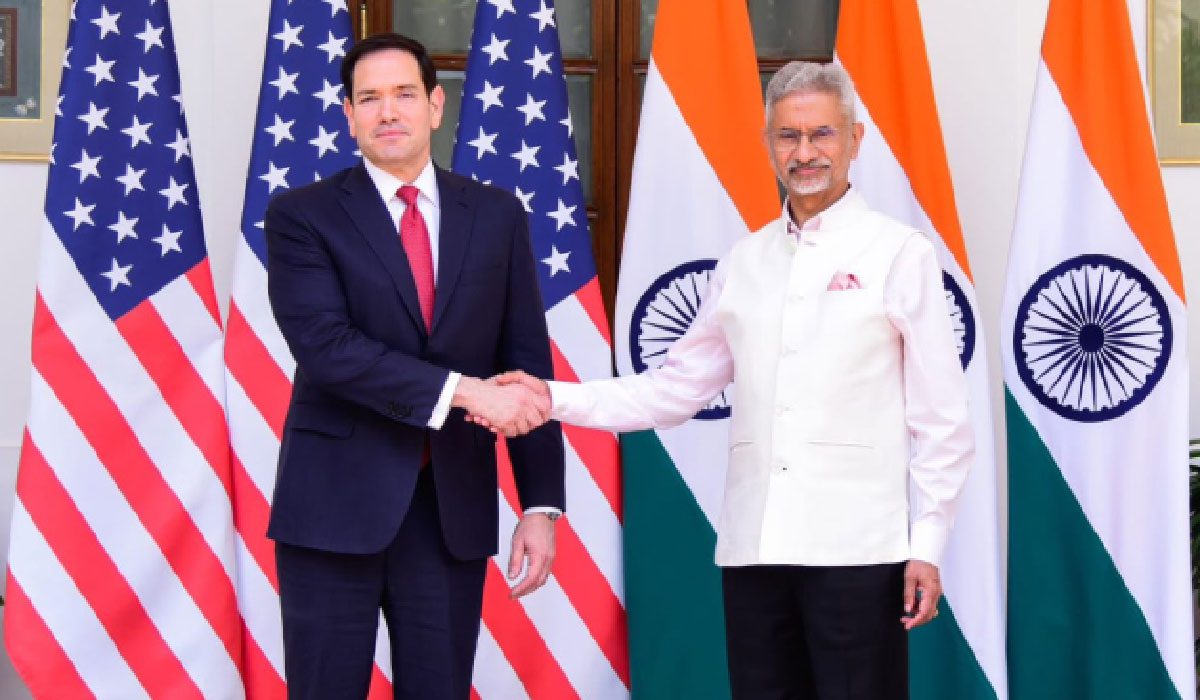
Rubio’s detailed talks with External Affairs Minister Dr. S. Jaishankar covered a broad strategic agenda. The two leaders discussed emerging technologies such as artificial intelligence, cooperation in critical minerals, resilient supply chains, civil nuclear partnership, and energy security.
Trade and mobility issues also formed an important part of the conversation. India raised concerns related to visas and the movement of skilled professionals and students, while both sides stressed the importance of maintaining strong economic and technological ties.
The discussions reflected a partnership that is no longer limited to traditional diplomacy but is increasingly driven by innovation, strategic industries, and long-term economic cooperation.
Meeting with National Security Advisor Ajit Doval
A significant highlight of Rubio’s New Delhi visit was his meeting with India’s National Security Advisor Shri Ajit Doval. The interaction carried considerable strategic importance, particularly in the context of evolving security challenges across the Indo-Pacific and beyond.
The two sides discussed regional security developments, counter-terrorism cooperation, intelligence coordination, and defense collaboration. Maritime security and strategic stability were also understood to be key themes of the conversation.
The meeting demonstrated the growing trust between India and the United States in the field of national security and reflected the increasing depth of cooperation between the two countries on sensitive strategic matters.
Quad Meeting Reinforces Indo-Pacific Cooperation
Rubio’s visit coincided with the 2026 Quad Foreign Ministers’ Meeting hosted by India in New Delhi. The Quad grouping — comprising India, the United States, Japan, and Australia — continues to play an increasingly important role in shaping Indo-Pacific cooperation.
During the meeting, the foreign ministers discussed regional security, maritime cooperation, disaster response, critical technologies, infrastructure development, and supply-chain resilience. The discussions highlighted the shared vision of the four nations for a rules-based and inclusive Indo-Pacific region.
For India and the United States, the Quad remains an important platform for strategic coordination amid rising geopolitical competition in Asia.
Beyond Diplomacy: A Cultural Dimension
Apart from official meetings, Rubio’s visit also carried symbolic value. His travel to cities such as Agra, Jaipur, and Kolkata reflected the broader cultural and people-to-people connections between India and the United States.
His visit to the Taj Mahal attracted significant attention and added a softer diplomatic dimension to an otherwise strategy-focused tour. Such engagements often help strengthen public goodwill and mutual understanding between nations.
A Partnership Entering a New Phase
Marco Rubio’s New Delhi visit ultimately signaled that India–US relations are entering a more comprehensive and future-oriented phase. The conversations held during the visit demonstrated that both countries are increasingly aligned on major international issues, from security and technology to economic resilience and regional stability.
The meetings with Prime Minister Narendra Modi, External Affairs Minister S. Jaishankar, and National Security Advisor Ajit Doval collectively reinforced the message that India and the United States are committed to expanding cooperation across every major strategic sector.
At a time of shifting global power dynamics, the visit stood as a strong reminder of the growing importance of the India–US partnership in shaping the future of the Indo-Pacific and the wider international order.