


The Rise of Economic Diplomacy: How Trade, Technology, and Connectivity Are Reshaping Foreign Policy
In the evolving architecture of global politics, economic instruments have become central to diplomatic strategy. Foreign policy today is no longer defined solely by traditional security considerations; instead, it is increasingly shaped by trade agreements, technology partnerships, infrastructure connectivity, and supply chain resilience.
For countries like India, economic diplomacy has emerged as a key pillar of its global engagement strategy. New Delhi is actively leveraging trade negotiations, investment partnerships, and strategic connectivity projects to strengthen its geopolitical influence across regions including the Indo-Pacific, the Gulf, Europe, and Africa.
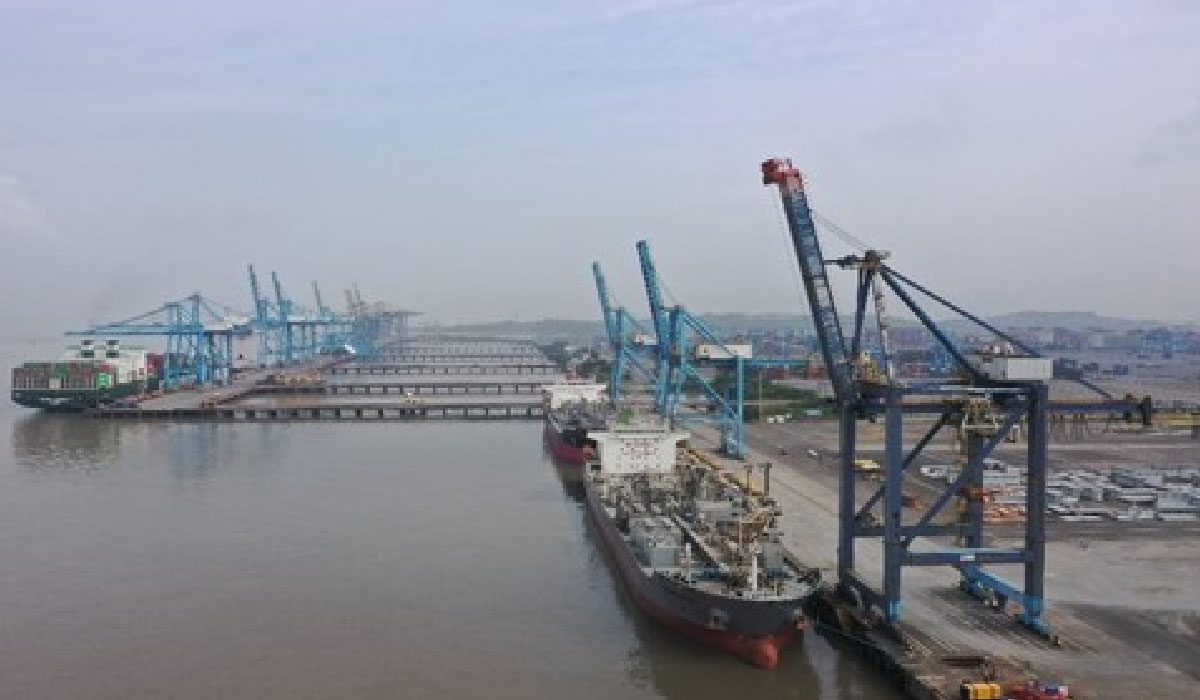
One of the most visible examples of this shift is India’s growing engagement in large-scale connectivity initiatives such as the India–Middle East–Europe Economic Corridor (IMEC), which aims to enhance trade routes, logistics efficiency, and infrastructure integration across continents. Such initiatives reflect a broader global trend where economic corridors are increasingly viewed as strategic assets.
Technology cooperation has also become a defining feature of modern diplomacy. India’s partnerships with countries such as Japan, the United States, and members of the Quad reflect growing collaboration in areas such as semiconductors, digital public infrastructure, artificial intelligence, and critical minerals. These sectors are now central to both economic competitiveness and national security.
At the same time, global supply chain disruptions in recent years have accelerated the shift toward “de-risking” and diversification. Countries are increasingly seeking trusted partners to reduce dependency on concentrated manufacturing hubs and politically sensitive supply networks. This has elevated the role of economic diplomacy as a tool for resilience-building.
Energy diplomacy is another growing dimension of this transformation. Nations are expanding cooperation in renewable energy, hydrogen development, and strategic energy trade routes to ensure long-term stability and sustainability. These partnerships are not only economic in nature but also deeply geopolitical.
Connectivity has become a unifying theme across these developments. Whether through infrastructure investments, maritime linkages, or digital networks, states are actively building pathways that integrate markets and strengthen strategic influence simultaneously.
Importantly, this evolution reflects a broader structural change in international relations. Economic tools are no longer secondary to foreign policy — they are now central to it. Diplomacy today increasingly operates at the intersection of commerce, technology, and geopolitics.
As the global order continues to shift toward multipolarity, economic diplomacy is expected to play an even greater role in shaping alliances, partnerships, and strategic competition. Countries that can effectively integrate economic and foreign policy objectives are likely to hold a significant advantage in the emerging international system.
In this context, economic diplomacy is not just a policy tool – it has become a defining feature of twenty-first century statecraft.