





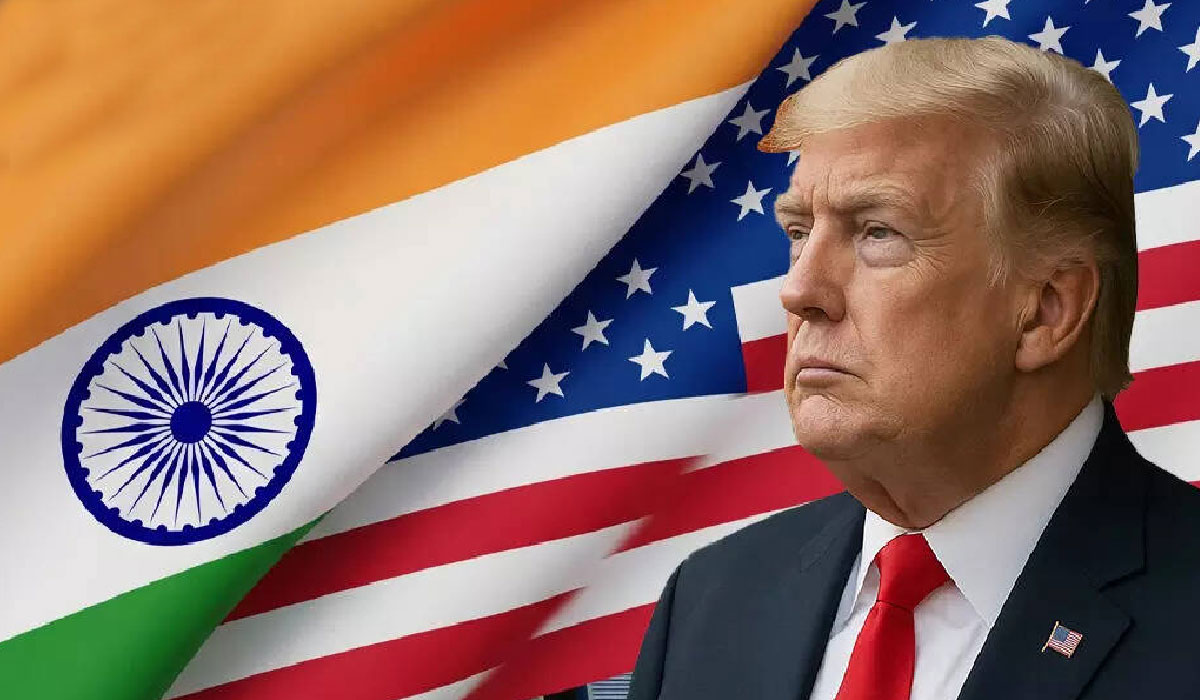
Indian Exports Worth Around $30 Billion Spared from Trump’s 50% Tariff
In a significant development that could have far-reaching implications for global trade dynamics, U.S. President Donald Trump on Wednesday announced a sweeping 50 per cent tariff on imports from India. However, a critical portion of Indian exports — valued at over $30 billion — will remain unaffected by the new measures, as key categories continue to be listed under tariff exemptions.
Among the spared items are pharmaceuticals, smartphones, semiconductors, and energy products — sectors that collectively form the backbone of India’s exports to the United States. The exemptions, at least for now, offer a major relief to Indian exporters and mitigate potential shocks to the $86.51 billion trade relationship between the two countries.
Pharmaceuticals, Electronics, and Energy Remain Protected
According to official data from FY25, India exported $10.5 billion worth of drugs and pharmaceuticals to the U.S., alongside $14.6 billion in electronics, primarily smartphones and semiconductors. Together, these two categories account for 29% of India’s total outbound shipments to the U.S., reflecting their strategic importance to both nations.
In addition, petroleum exports valued at $4.09 billion have also been shielded from the tariff hike, as energy products continue to feature in the exemption list. This protection ensures that India’s energy trade — often seen as a stabilizing element in the broader bilateral economic relationship — remains uninterrupted.
Tariffs Take Effect in 21 Days
President Trump’s decision to impose a 50% tariff marks the latest step in his administration’s push to reduce the U.S. trade deficit and realign trade terms in favor of domestic manufacturers. The new tariffs are expected to take effect within the next 21 days, giving businesses limited time to reassess supply chains and pricing strategies.
Despite the aggressive move, the continuation of exemptions for critical Indian sectors suggests a calibrated approach by the Trump administration — one that seeks to protect American interests without fully derailing vital import flows, particularly in healthcare, consumer electronics, and energy.
A Trade Relationship in Transition
India’s export performance to the U.S. has seen notable growth in 2025, helped in part by the existing exemptions that have so far protected high-value sectors from additional levies. Between January and June 2025, the U.S. share in India’s total merchandise exports rose from 17–18% to over 20%, signaling increasing dependence on the American market.
Analysts believe this growth underscores the importance of maintaining favorable trade conditions, especially in the face of rising global protectionism.
“Had these exemptions been removed, we could have seen an immediate disruption in supply chains, especially in the pharmaceutical sector where Indian generics are crucial to U.S. healthcare,” said a senior official from the Ministry of Commerce. “The exemptions are a silver lining in an otherwise concerning development.”
Industry Reaction: Relief with Caution
Indian exporters welcomed the continuation of exemptions but expressed concern over the unpredictability of U.S. trade policy.
“While it’s a relief that our major export lines have been spared, the fact remains that a blanket 50% tariff on all other Indian goods creates a very challenging environment for small and medium-sized exporters,” said Rajiv Bansal, Chair of the Exporters’ Council of India. “We urge the government to engage in diplomatic dialogue with Washington to prevent further escalation.”
At the same time, industry leaders in pharmaceuticals and electronics are cautiously optimistic.
“Indian pharma companies play a key role in supplying affordable medicines to the U.S.,” said Renu Mehra, Managing Director of a Mumbai-based pharma exporter. “We are glad to see that this has been recognized, but we need a long-term assurance of stability.”
Looking Ahead
India’s overall exports to the U.S. are now at a critical juncture. With over $30 billion in goods currently shielded from tariffs, there is a strong incentive for Indian exporters to further invest in these high-performing sectors. However, the looming threat of policy shifts and trade volatility could dampen confidence if not managed through bilateral engagement.
For now, the focus will be on ensuring continuity in key export sectors, safeguarding the momentum India has built in 2025. As both nations head into pivotal political periods — with the U.S. elections on the horizon and India navigating a shifting global trade order — trade policy will remain central to their strategic dialogue.