



Indian and Philippine Navies Conduct First Joint Sail in South China Sea
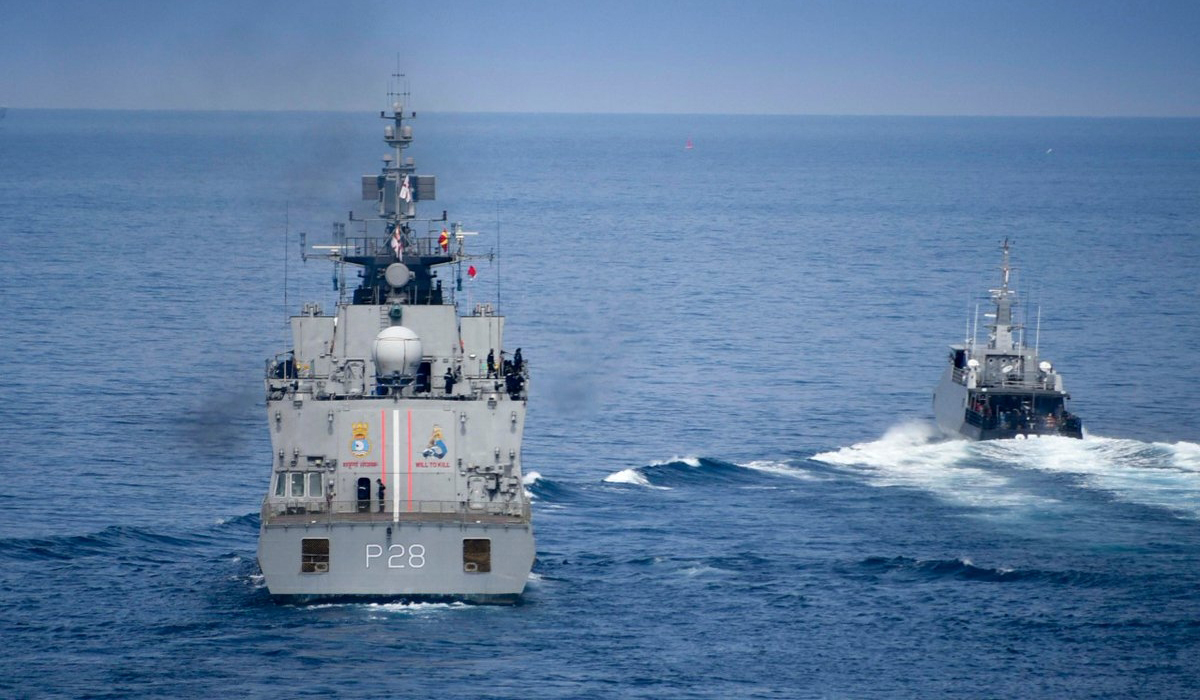
For the first time, the navies of India and the Philippines have carried out a joint sail in the South China Sea, officials confirmed on Monday. The event coincided with Philippine President Ferdinand Marcos Jr.’s departure from Manila for an official visit to New Delhi.
Since late 2023, the Philippines has engaged in “maritime cooperative activities” with various international naval forces to push back against China’s extensive territorial claims in the region. These operations have included joint transits with allies and partners such as the United States, Japan, Australia, France, and Canada.
General Romeo Brawner, head of the Philippine armed forces, explained that the two-day coordinated passage, which began on Sunday within the Philippines’ exclusive economic zone (EEZ), was initiated following discussions with his Indian counterpart during a meeting in March.
“We didn’t encounter any hostile incidents, though we were being followed—something we anticipated,” Brawner said, without directly mentioning China.
In response, China’s foreign ministry reiterated its stance that disputes in the South China Sea should be settled directly between the nations involved and warned against outside interference.
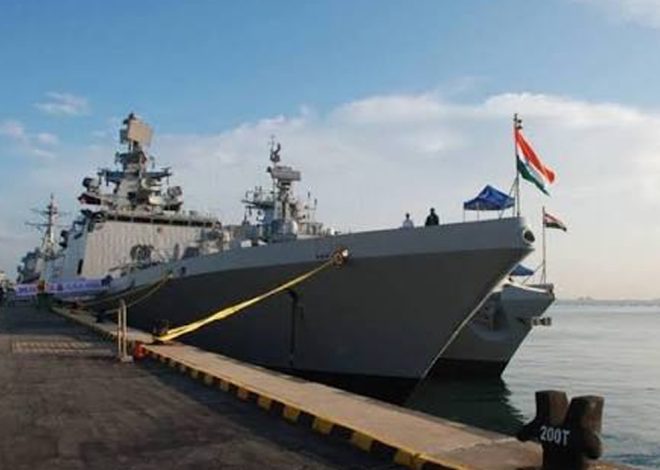
Participating Indian naval vessels included the INS Delhi, a guided missile destroyer; the INS Shakti, a fleet tanker; and the INS Kiltan, an anti-submarine corvette. The Philippine Navy deployed the BRP Jose Rizal and BRP Miguel Malvar, both frigates.
The joint activity took place as President Marcos embarked on a five-day trip to India, during which he announced plans to strengthen maritime cooperation and explore collaboration in areas such as defense, pharmaceuticals, and agriculture.
China lays claim to nearly the entire South China Sea, a stance that overlaps with the exclusive economic zones of several Southeast Asian countries, including Brunei, Malaysia, Vietnam, Indonesia, and the Philippines. The disputed waterway is one of the world’s busiest trade routes, with around $3 trillion in maritime commerce passing through each year.
An international tribunal ruling in 2016 declared China’s sweeping territorial claims to be legally unfounded, though Beijing has refused to accept the verdict.