




15th India–Japan Summit Sets Roadmap for Shared Prosperity and Security
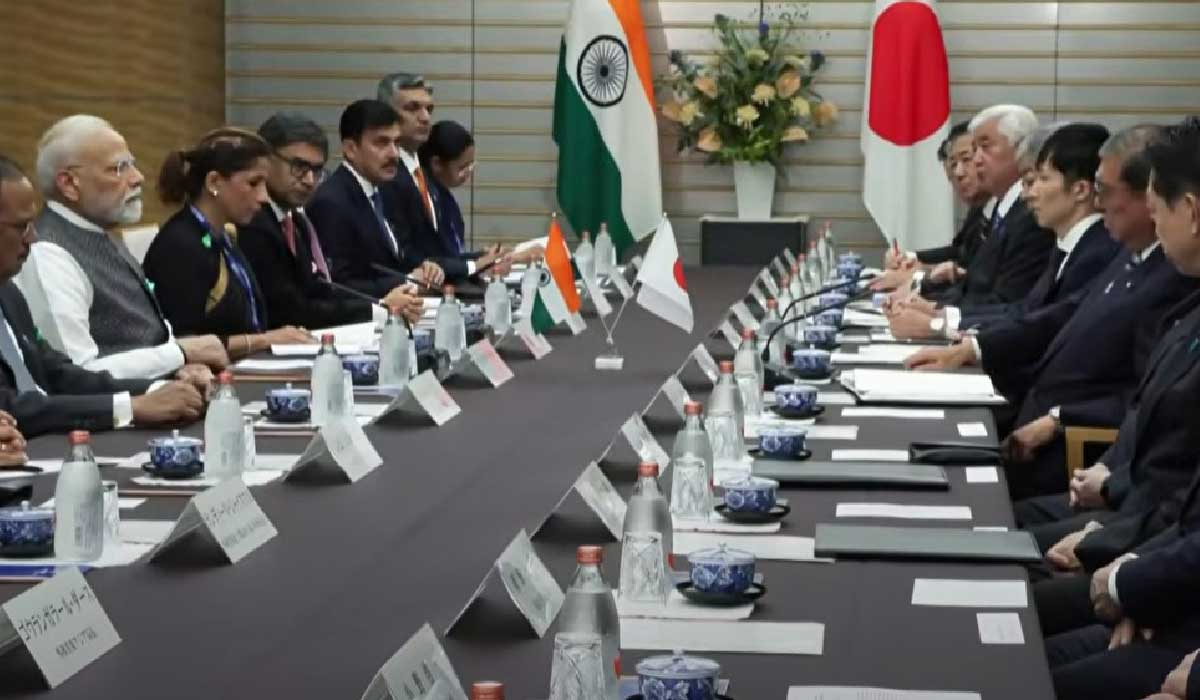
India and Japan reaffirmed their strategic partnership with renewed vigor during the 15th India–Japan Annual Summit held in Tokyo on August 29–30. Indian Prime Minister Narendra Modi and Japanese Prime Minister Shigeru Ishiba presided over the high-level talks, which culminated in a broad spectrum of agreements ranging from economic and defense cooperation to clean energy, technology, and people-to-people ties.
Record Investment Commitment
One of the most significant outcomes of the summit was Japan’s pledge to mobilize over 10 trillion yen (approximately USD 68 billion) in investments in India over the next decade. This commitment marks a dramatic step forward in economic collaboration and underscores growing confidence in India’s long-term growth trajectory.
The investment will target sectors such as infrastructure, semiconductors, advanced manufacturing, green energy, and digital technology, reinforcing India’s position as a key hub in global supply chains.
Speaking at the India–Japan Economic Forum in Tokyo, PM Modi invited Japanese businesses to expand their presence in India, highlighting India’s potential as a reliable, innovation-driven manufacturing destination. “Make in India, Make for the World,” he urged.
Nearly 100 MoUs Signed
In a strong push to deepen bilateral cooperation, the two nations signed close to 100 Memoranda of Understanding (MoUs). These span a wide range of areas including trade, AI and robotics, defense production, educational collaboration, sustainable development, and clean energy research.
The agreements also aim to enhance cooperation in the space sector, including joint satellite development and a collaborative lunar exploration mission (Chandrayaan‑5), which will see the Indian Space Research Organisation (ISRO) working with Japan’s JAXA.
Economic Security and Strategic Cooperation
A key theme of the summit was economic security. Both leaders committed to strengthening joint efforts in sectors deemed vital for national and regional stability, such as critical minerals, high-end manufacturing, and AI-driven technologies. This move comes amid growing concern over global supply chain vulnerabilities.
The two leaders also acknowledged the importance of resilient, rules-based trade networks in the Indo-Pacific and reinforced their commitment to expanding Quad cooperation (with the US and Australia), particularly in defense, cyber security, and technology transfer.
Focus on Human Mobility
A notable initiative launched at the summit is the goal to enable the exchange of 500,000 students and skilled workers between India and Japan over the next five years. The action plan aims to address workforce gaps in Japan while offering new opportunities for Indian talent in sectors like healthcare, engineering, IT, and education.
To support this, the countries will strengthen institutional partnerships between universities, vocational centers, and language training institutes.
Clean Energy and Climate Action
India and Japan signed several new agreements promoting clean energy technologies, including the use of green hydrogen, ammonia fuels, and advanced wastewater treatment solutions. Both sides also agreed to implement the Joint Crediting Mechanism (JCM) to collaborate on carbon reduction projects and sustainable development.
These initiatives align with India’s climate goals under PM Modi’s “LiFE” (Lifestyle for Environment) campaign and Japan’s carbon neutrality target for 2050.
A Carefully Balanced Diplomacy
While advancing its relationship with Japan, India also demonstrated careful diplomacy in managing regional dynamics, especially with regard to China. Both Modi and Ishiba emphasized peaceful coexistence, open sea lanes, and a free and inclusive Indo-Pacific, without making direct confrontational statements. The summit reflects India’s strategy of expanding strategic partnerships without compromising regional stability.
Leadership in Harmony
The summit also highlighted the growing personal rapport between PM Modi and PM Ishiba. Both leaders emphasized their shared vision of a peaceful, innovative, and cooperative Asia, built on the pillars of democracy, rule of law, and sustainable development.
Modi called Ishiba a “valued and forward-looking partner,” while Ishiba praised Modi’s leadership in placing India at the forefront of global diplomacy and economic reform.
Symbolic Gestures of Friendship
PM Modi’s visit included cultural and symbolic moments as well. He visited the historic Shorinzan Daruma-ji Temple, offering a traditional Daruma doll symbolizing perseverance and good fortune. In return, Tokyo’s iconic Sky Tree tower was illuminated in the Indian tricolor, reflecting the deepening ties and goodwill between the nations.
In Summary
The 15th India–Japan Annual Summit proved to be a defining moment in bilateral relations. With bold economic pledges, technology-driven cooperation, and alignment on key regional issues, the leadership of Modi and Ishiba has set a clear and ambitious roadmap for the next decade.
This renewed partnership not only strengthens India and Japan’s national interests but also plays a vital role in shaping the future of Asia and the broader Indo-Pacific region.