





U.S. Proposes Ban on Chinese Airlines Using Russian Airspace on U.S. Routes Amid Escalating Trade Tensions
In a significant development amid rising U.S.–China trade friction, the Trump administration has proposed banning Chinese airlines from flying over Russian territory on routes to and from the United States. The U.S. Department of Transportation made the announcement on Thursday, arguing that this routing advantage gives Chinese carriers an unfair edge over their American counterparts.
Since Russia closed its airspace to U.S. and several other foreign airlines in 2022—retaliating for the U.S. ban on Russian flights following the Ukraine invasion—U.S. carriers have had to take longer, more expensive detours. Chinese airlines, however, have continued to use Russian airspace, enabling shorter flight times and reduced fuel usage.
“This creates a clear imbalance,” the Department stated, calling the current situation “unfair” and harmful to the competitiveness of U.S. airlines.
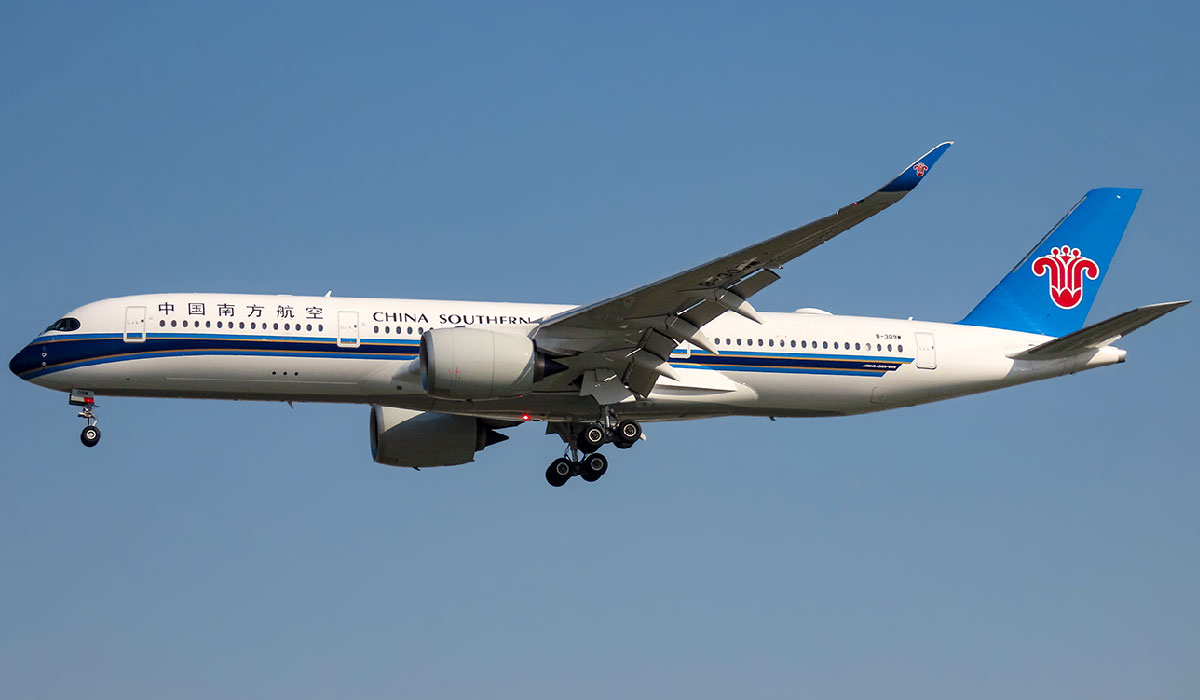
The proposed restriction would apply to passenger flights covered under U.S.-issued foreign carrier permits. However, cargo flights would be excluded. Airlines likely to be affected include Air China, China Southern, China Eastern, and Xiamen Airlines. Hong Kong-based Cathay Pacific, which also flies over Russian airspace on routes like New York to Hong Kong, was not specifically named in the order.
Another Flashpoint in U.S.–China Trade Relations
This move comes just hours after Beijing imposed tighter controls on rare earth exports, materials crucial to U.S. tech and defense industries. These developments reflect a broader pattern of tit-for-tat measures between Washington and Beijing as trade and diplomatic tensions continue to mount.
Aviation has emerged as a key area of contention. Prior to the COVID-19 pandemic, both countries allowed over 150 weekly round-trip passenger flights. Since then, resumption of full service has been slow, with U.S. authorities approving new routes cautiously due to domestic airline concerns and union pressure.
In May 2023, Chinese airlines were granted permission for additional flights to the U.S. on the condition they would not use Russian airspace on those specific routes. But many existing flights still benefit from the shorter paths via Russia.
U.S. carriers, including Delta, United, and American Airlines, have long maintained that flying longer routes—especially from East Coast cities—has made some China-bound services less viable. The added distance increases costs and often forces airlines to limit cargo and passenger loads.
Financial and Industry Impact
The proposed measure could hit China’s top state-run airlines, which are still reeling from pandemic-related losses. All three—Air China, China Eastern, and China Southern—have reported five straight years of annual losses. Their shares slipped modestly following the U.S. announcement: China Southern dropped 1.8%, Air China 1.3%, and China Eastern 0.3%.
Airlines for America, the major U.S. airline trade group, and Chinese officials, including the Civil Aviation Administration of China and the Chinese embassy in Washington, have yet to respond publicly. Cathay Pacific also did not issue an immediate comment.
Meanwhile, U.S. aircraft maker Boeing is reportedly in negotiations to sell up to 500 planes to China—a potentially significant breakthrough in a market where orders have stagnated due to years of diplomatic strain.
What Comes Next?
The Transportation Department has given Chinese airlines two days to respond to the proposal. A final ruling could be implemented as early as November. The timing is noteworthy, with Presidents Trump and Xi Jinping expected to meet in South Korea later this month—potentially offering a diplomatic window to ease tensions.
While Chinese airlines currently enjoy a faster path across Russian skies, the geopolitical headwinds between Washington and Beijing may soon make that route less certain.