




Japan and China Reaffirm Push for a ‘Constructive and Stable’ Relationship
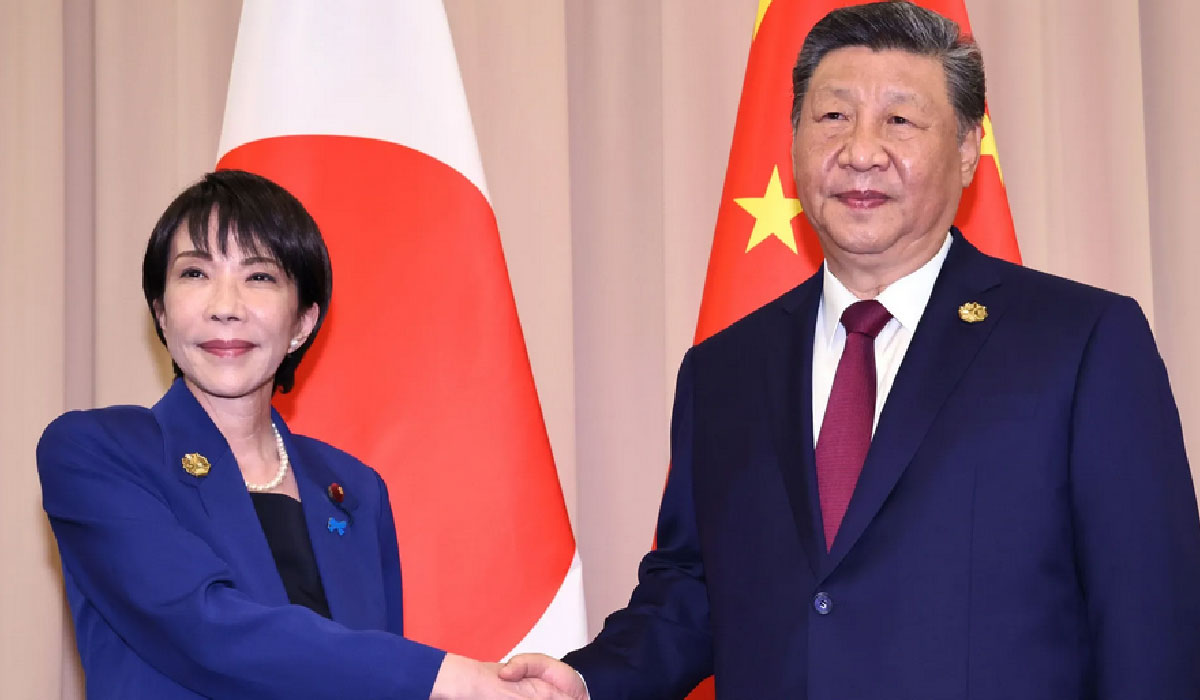
Japanese Prime Minister Sanae Takaichi and Chinese President Xi Jinping met on the sidelines of the APEC Leaders’ Summit in South Korea, marking their first face-to-face discussion since Takaichi took office. The two leaders agreed to keep communication open and to strengthen a “mutually beneficial relationship based on common strategic interests,” a phrase long used to describe efforts to stabilize one of Asia’s most complex bilateral ties.
A Frank Exchange of Views
According to Japanese officials, Prime Minister Takaichi conveyed Tokyo’s concerns over several regional and bilateral issues, including China’s maritime activities near the Senkaku Islands, economic measures that Japan views as coercive, and the safety of Japanese citizens detained or living in China. She also reiterated Japan’s consistent position on the importance of peace and stability across the Taiwan Strait and urged Beijing to act responsibly to support regional security and prosperity.
President Xi responded by noting that China values its relationship with Japan and is willing to work toward “sound and steady” ties. He emphasized that both countries share broad common interests and should manage differences through dialogue, while also urging Japan to “properly handle sensitive issues” such as history and Taiwan.
Shared Goals, Lingering Tensions
Both sides agreed that Japan–China relations are vital not only for the two countries but also for the wider Asia-Pacific region. They reaffirmed their intention to build what they called a “constructive and stable relationship,” acknowledging that cooperation in areas like trade, green technology, and people-to-people exchanges remains crucial.
Still, tensions persist. Japan remains wary of China’s growing presence in the East China Sea and recent export restrictions on key materials. China, meanwhile, continues to press Japan over its handling of historical and territorial issues.
Looking Ahead
While no major breakthroughs were announced, the meeting was widely seen as a positive step in keeping dialogue alive between the region’s two largest economies. Both governments appear to recognize that maintaining stability and communication — even amid deep differences — is in their shared interest.
As one Tokyo-based analyst put it, “The fact that they talked frankly and still shook hands on stability is, in today’s climate, progress in itself.”