





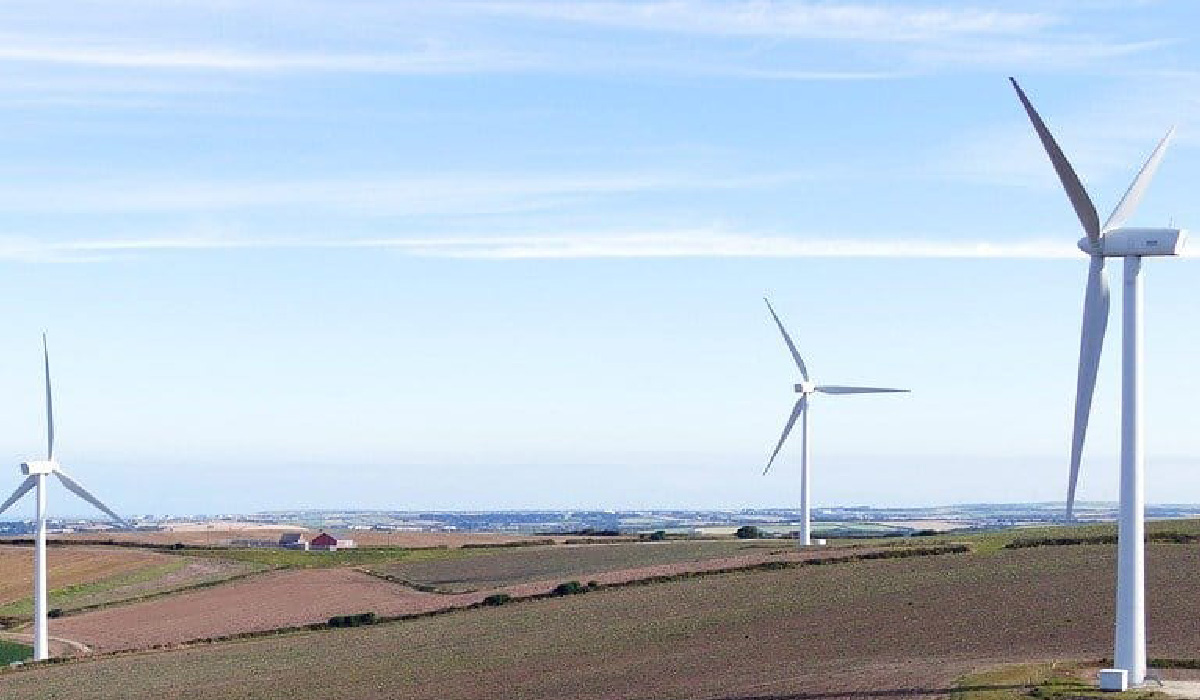
Romania’s Wind Boom: Why It’s the Right Moment for Indian Renewable Players to Step In
Romania is emerging as one of Europe’s most dynamic wind-energy markets, and recent developments show that the country is entering a new phase of large-scale renewable expansion. For Indian wind-energy companies—whether manufacturers, developers, or O&M specialists—this is a pivotal moment to tap into an increasingly attractive landscape backed by strong policy support and substantial investment flows.
Policy Momentum Creating a Favorable Investment Climate
CfD Mechanism Accelerates Wind Deployment
Romania’s introduction of a Contracts for Difference (CfD) scheme has become a cornerstone for renewable investment. The country’s inaugural CfD auction, held in late 2024, awarded long-term price guarantees to several major onshore wind projects. The Pestera II development, with an expected capacity of around 400 MW and a CfD for 245 MW at €64.9/MWh, exemplifies the scale of projects now moving forward.
The CfD program is backed by up to €3 billion from the EU’s Modernisation Fund, ensuring predictable revenues for investors and reducing market volatility—a significant advantage for international entrants, including those from India.
Public and Private Financing Gaining Strength
The European Investment Bank’s recent €30 million commitment to Romanian wind development signals deep institutional confidence in the country’s energy transition. For Indian businesses, the presence of strong public financing lowers entry risk and creates fertile ground for partnerships and co-investment models.
Large Projects Receiving Steady Regulatory Support
Approvals for major wind farms, such as the 246+ MW Ialomița Nord project and a planned 1,200 MW portfolio in Botoșani County, reflect a robust pipeline of utility-scale developments. This demonstrates a market that is not only active today but set for sustained expansion over the coming decade.
A Market Already Drawing the Attention of Global Wind Leaders
Romania’s wind sector is attracting top-tier global players:
- GE Vernova has secured agreements for turbine supply across multiple large projects, including a 140 MW site in Vaslui County.
- Vestas continues expanding its Romanian footprint with orders approaching 150 MW across several parks.
- Engie Romania is acquiring both ready-to-build and operational wind assets, strengthening its renewable presence.
This influx of major OEMs and developers is a sign of a healthy, competitive, and opportunity-rich environment—one where Indian companies can find ample space to contribute, differentiate, and grow.
Why Indian Wind Companies Are Well Positioned for Romania
1. Competitive Manufacturing and Technology
Indian turbine manufacturers and component suppliers, known for cost-efficient production and robust engineering, can compete effectively in markets seeking value without compromising on performance.
2. Strong Track Record in Large-Scale Project Delivery
Indian developers bring experience from building some of the world’s largest wind and hybrid projects. This expertise can be leveraged in Romania’s rush to scale up capacity under the CfD scheme.
3. Expanding Opportunities in O&M and Repowering
As Romania’s installed base grows, the need for operations and maintenance services—and eventually repowering—will increase. Indian companies with specialized O&M capabilities can establish long-term revenue streams through service partnerships.
4. Alignment With Global ESG and Green Finance Trends
Indian firms with strong ESG profiles or access to green capital can collaborate with European institutions to co-develop projects, accessing blended financing and boosting their global renewable credentials.
Navigating Challenges with the Right Strategy
While promising, Romania’s wind sector does come with considerations:
- Regulatory updates may influence the pace of future auctions.
- Grid capacity and upgrade requirements vary by region and can affect project timelines.
- Established global OEMs pose considerable competition.
- Local permitting processes still require close management and strong local partnerships.
However, with careful due diligence, currency-risk planning, and local collaboration, these hurdles are manageable.
Strategic Pathways for Indian Businesses
To make the most of Romania’s wind opportunity, Indian companies should consider:
1. Entering joint ventures with local developers for easier permitting and land access.
2. Targeting CfD-eligible projects to secure long-term, stable returns.
3. Establishing service hubs to meet rising demand for maintenance across new and existing wind farms.
4. Pursuing green financing, leveraging India-EU clean-energy cooperation frameworks.
5. Exploring selective component localization, if project volumes justify it, to optimize costs and logistics.
Conclusion: A Prime Moment for India–Romania Renewable Collaboration
Romania’s wind energy sector is undergoing a transformation driven by bold policy design, strong EU financial backing, and an accelerating project pipeline. For Indian renewable energy companies, this represents not just an international expansion opportunity, but a chance to partner in Europe’s wider energy transition.
With thoughtful strategy and collaboration, Indian firms can play a significant role in Romania’s wind renaissance—helping shape a cleaner, more resilient energy future for the region.