
G20 Johannesburg Summit 2025: India’s Strategic Engagement Under PM Narendra Modi
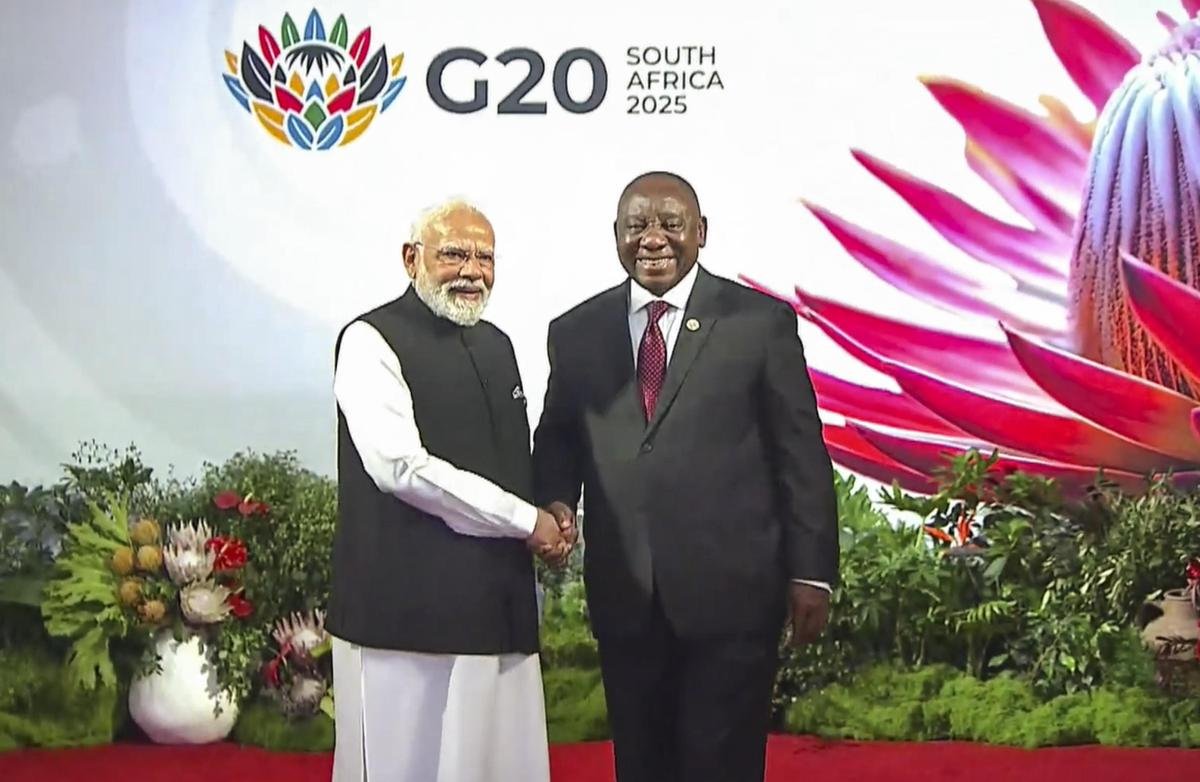
The 2025 G20 Summit in Johannesburg (22–23 November) marked a defining moment for global governance, not only because it was the first G20 gathering hosted on African soil, but also because it unfolded during a period of shifting geopolitical alignments and intensified demand for reform of multilateral institutions. Amid these dynamics, Prime Minister Narendra Modi’s two-day visit to South Africa stood out for its clear emphasis on development partnerships, Global South leadership, and future-ready cooperation across innovation, climate, and human capacity building.
A Summit Framed by Solidarity and Reform
Hosted by President Cyril Ramaphosa, the summit carried the theme “Solidarity, Equality, Sustainability.” It focused on strengthening global resilience, addressing debt challenges, reforming international financial institutions, ensuring food and health security, and accelerating just energy transitions.
PM Modi opened his interventions by thanking President Ramaphosa for the warm hospitality and for steering a complex summit to consensus—an acknowledgment that carried diplomatic weight given the wider geopolitical tensions and leadership absences that tested the forum’s cohesion.
Modi’s Message: A Call for a New Development Paradigm
Across multiple working sessions, PM Modi articulated a consistent theme: global development must evolve beyond GDP-centric metrics and embrace a holistic, human-centric model rooted in balance between growth, society, and environmental stewardship. Drawing from the Indian ethos of “Integral Humanism,” he encouraged G20 partners to adopt a development framework that is inclusive, sustainable, and anchored in cultural and traditional knowledge systems.
This philosophical framing set the stage for six flagship initiatives introduced by India—each designed to address structural gaps in global governance while strengthening South-South cooperation.
Six Major Initiatives Announced by India
1. Global Traditional Knowledge Repository
A platform to document and share indigenous knowledge, sustainable practices, and culturally rooted healthcare systems—promoting diversity in global solutions.
2. G20–Africa Skills Multiplier
A long-term effort to certify one million African trainers, designed to boost continent-wide human capital and deepen India–Africa development partnerships.
3. G20 Global Healthcare Response Team
A coordinated deployment mechanism of trained health professionals for pandemics and disasters—reflecting lessons from COVID-19.
4. Initiative to Counter the Drug–Terror Nexus
A collective security effort aimed at disrupting global linkages between narcotics trafficking, synthetic drugs, and terror financing.
5. G20 Open Satellite Data Partnership
A proposal for G20 space-faring nations to share satellite data with developing countries, supporting agriculture, disaster management, and climate forecasting.
6. Critical Minerals Circularity Initiative
A forward-looking plan to reduce dependence on raw extraction by supporting recycling, second-life batteries, and research on clean mineral value chains.
Each initiative reinforced India’s diplomatic priorities:
technology democratization, equitable development, resilience, and Global South leadership.
Disaster Preparedness, Climate Finance & Sustainable Agriculture
In the session on “A Resilient World,” Modi underscored the growing frequency of natural disasters and argued that resilience cannot be crisis-driven—it must be built into development planning. He advocated for:
- greater investment in disaster-resistant infrastructure,
- enhanced early-warning systems, and
- stronger international collaboration in relief operations.
He tied resilience to food security and climate action, highlighting India’s own experience with large-scale crop insurance, digital agriculture, and the global promotion of millets as climate-resilient grains.
Modi reiterated a long-standing Indian position: climate finance and technology transfer must be delivered in full for developing nations to meet energy transition goals.
A Strong Push for the Global South
An important thread through Modi’s summit engagements was his call for continued reform of multilateral institutions. Building on India’s own G20 presidency in 2023—which secured the African Union’s inclusion—Modi urged the grouping to maintain momentum on giving emerging economies an equal voice.
He praised South Africa’s presidency for prioritising mobility, digital innovation, AI, and inclusive growth—issues that resonate broadly across the Global South.
Active Diplomacy: Bilateral & Trilateral Engagements
PM Modi’s schedule in Johannesburg reflected intensive diplomatic outreach.
With President Cyril Ramaphosa
Modi thanked Ramaphosa for hosting the summit and discussed:
- trade and investment expansion,
- AI, innovation, and critical minerals cooperation,
- strengthening people-to-people ties,
- coordination on Global South issues, and
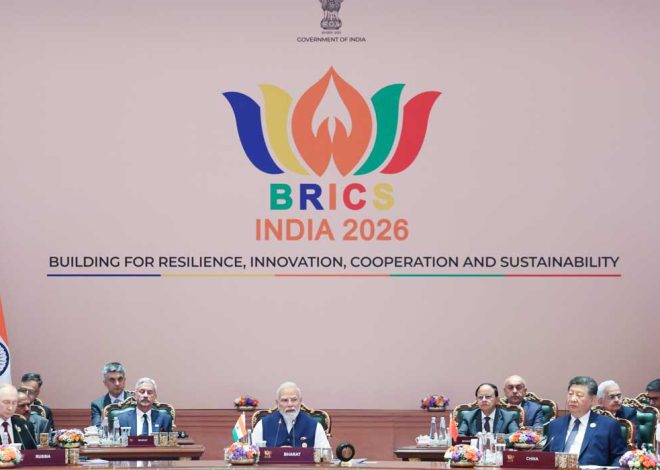
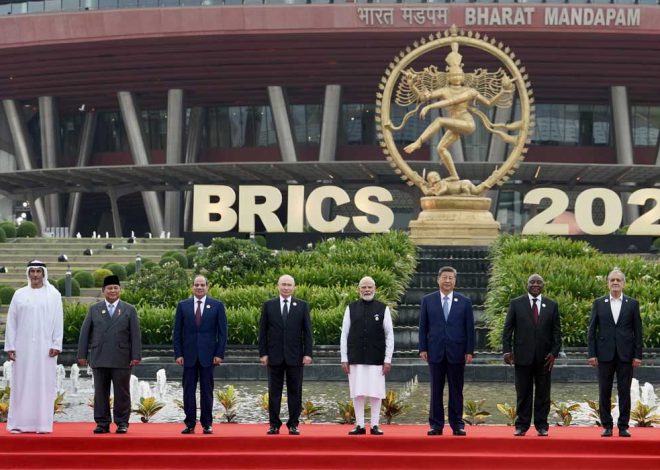
- India’s 2026 BRICS Chairship agenda.
He also invited South Africa to join the International Big Cat Alliance, acknowledging its partnership in India’s cheetah conservation programme.
IBSA (India–Brazil–South Africa) Leaders’ Meeting
Alongside President Ramaphosa and President Lula da Silva, Modi proposed:
- an IBSA Digital Innovation Alliance, and
- an IBSA fund for climate-resilient agriculture.
These proposals highlighted the trilateral grouping’s relevance at a time when emerging powers seek to shape global governance reforms.
Other Leader Interactions
Modi held meetings with several counterparts, including European, ASEAN, and African leaders, with discussions spanning defence, emerging technologies, space cooperation, capacity building, and counter-terror financing.
A Concluding Note of Optimism
As the summit concluded, PM Modi described his engagements as “productive” and expressed confidence that the Johannesburg Summit would strengthen pathways toward a more equitable, sustainable, and collaborative global order. His visit deepened India’s ties with Africa, expanded South–South developmental initiatives, and positioned India as an architect of future-oriented multilateral cooperation.