





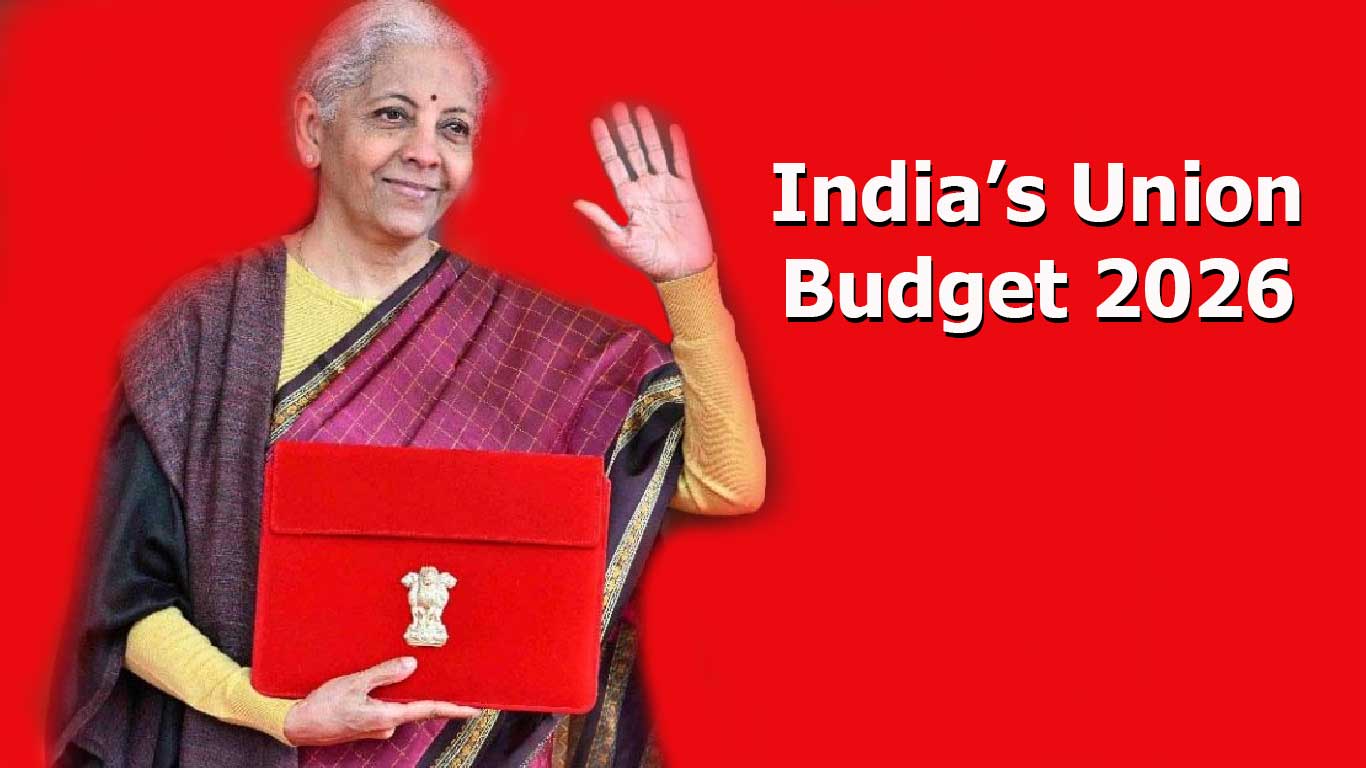
India’s Ninth Union Budget: Policy Signals, Strategic Direction, and International Implications
India’s Union Budget 2026–27, presented by Finance Minister Nirmala Sitharaman, marks an important institutional milestone as her ninth consecutive budget. Beyond the numbers, the budget reflects India’s economic priorities at a time of global uncertainty, supply-chain realignments, and shifting geopolitical equations.
From an economic perspective, the budget emphasises long-term capacity building, prudent fiscal management, and targeted policy support rather than short-term expansionary measures.
Growth Orientation and Capital Formation
A key economic pillar of the budget is the continued focus on public capital expenditure. Investments in infrastructure—transport networks, logistics corridors, urban development, and digital connectivity—are aimed at improving productivity, reducing transaction costs, and supporting private sector participation.
Such spending not only stimulates domestic demand but also strengthens India’s attractiveness as a destination for foreign investment and global manufacturing partnerships.
Subsidies: Targeted Support with Fiscal Caution
Subsidies continue to play an important role in the 2026–27 budget, though with a clear shift towards targeted and efficiency-oriented support. Rather than broad-based subsidies, the emphasis is on directing assistance to sectors and populations where it can generate long-term economic returns.
Support measures for agriculture, food security, fertilisers, and energy remain in place, reflecting the government’s commitment to protecting vulnerable sections and stabilising essential inputs. At the same time, the budget signals an intent to rationalise subsidy delivery through technology-enabled platforms, direct benefit transfers, and improved targeting to reduce leakages and fiscal pressure.
From an international economic perspective, this approach seeks to balance social stability with fiscal sustainability—an issue closely watched by global institutions and investors.
Manufacturing, Industry, and Strategic Sectors
The budget reinforces policy support for manufacturing and strategic industries, including electronics, pharmaceuticals, clean energy, and advanced technologies. In several cases, incentives and subsidies are linked to performance, output, or domestic value addition, aligning fiscal support with measurable economic outcomes.
This design reflects a broader shift from consumption-oriented subsidies to production-linked and investment-focused incentives, aimed at enhancing competitiveness and integrating India into global value chains.
Fiscal Management and Macroeconomic Stability
Despite continued spending commitments, the budget maintains a strong emphasis on fiscal discipline. By managing subsidy allocations carefully and prioritising capital investment, the government aims to contain deficits while supporting growth.
This balance is critical in maintaining macroeconomic stability, managing inflationary risks, and preserving confidence among international investors, development partners, and multilateral financial institutions.
Domestic Demand and Social Foundations
Subsidy support for food, fertiliser, and energy also plays a role in sustaining domestic demand, particularly in rural and semi-urban areas. Combined with employment generation and MSME-focused initiatives, these measures are intended to strengthen household consumption while supporting economic inclusion.
Such policies are especially significant in the context of demographic transitions and the need to create a resilient economic base for future growth.
Challenges and Economic Considerations
While the subsidy framework is more targeted, challenges remain. Effective implementation, timely disbursement, and coordination between central and state governments will determine the real impact of these measures. Additionally, global price volatility—especially in energy and commodities—may place pressure on subsidy allocations during the fiscal year.
There is also an ongoing policy debate on how quickly subsidies can be further rationalised without affecting social and economic stability.
Pros: Positive Economic Signals
1. Investor Confidence and Policy Continuity
The Budget reinforces predictability in India’s economic framework, an important signal for foreign investors, sovereign funds, and multilateral institutions monitoring policy consistency.
2. Infrastructure and Logistics Push
Continued focus on transport, logistics, and connectivity supports India’s export ambitions and reduces transaction costs for industry—key factors in improving competitiveness.
3. Manufacturing and Strategic Sectors
Policy attention toward advanced manufacturing, clean energy, and technology-intensive sectors strengthens India’s positioning in future-oriented industries with global demand.
4. MSME and Enterprise Support
Measures aimed at easing access to finance and improving market linkages for small and medium enterprises contribute to employment generation and domestic economic resilience.
Cons and Caution Areas
1. Execution and Absorption Capacity
While policy intent is clear, effective implementation at state and local levels remains a recurring challenge that could affect outcomes.
2. Limited Immediate Consumption Boost
The Budget leans more toward long-term investment than short-term consumption stimulus, which may moderate immediate demand expansion.
3. Global Economic Headwinds
Export-oriented growth remains vulnerable to slowing global demand, trade disruptions, and geopolitical risks beyond India’s control.
4. Fiscal Balancing Act
Sustaining growth-focused spending while managing fiscal discipline will require careful calibration, particularly if global financial conditions tighten further.
Conclusion
From an economic standpoint, India’s Union Budget 2026–27 reflects a calibrated approach—combining capital investment, targeted subsidies, industrial incentives, and fiscal responsibility. Rather than pursuing sweeping reforms, the budget focuses on strengthening economic fundamentals and managing transition risks.
For the global economic and diplomatic community, the budget reinforces India’s intent to pursue growth with stability, social balance, and strategic clarity—an approach likely to shape its economic engagements and policy partnerships in the years ahead.