




The Indian Ambassador to Cairo invites Coffee Board to visit Egypt to Expand in its Market
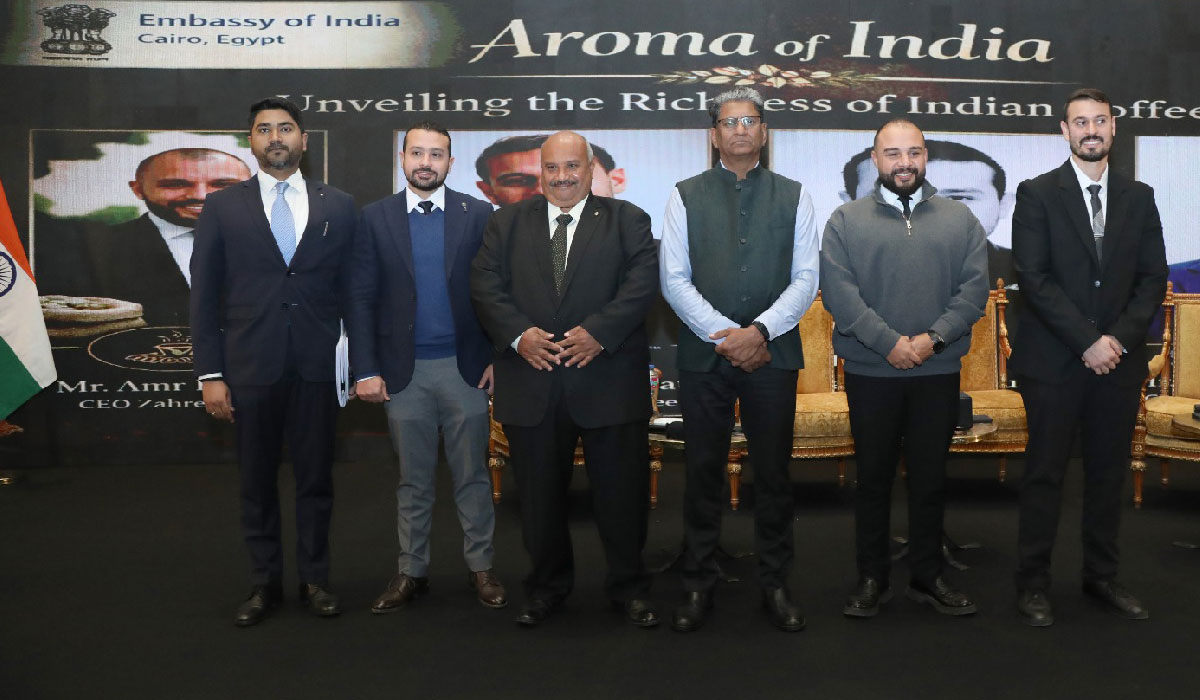
The Indian Embassy in Egypt organized an event in Cairo to promote Indian coffee, emphasizing the deep trade and cultural ties between Egypt and India and highlighting the distinguished position Indian coffee holds in both global and Egyptian markets.
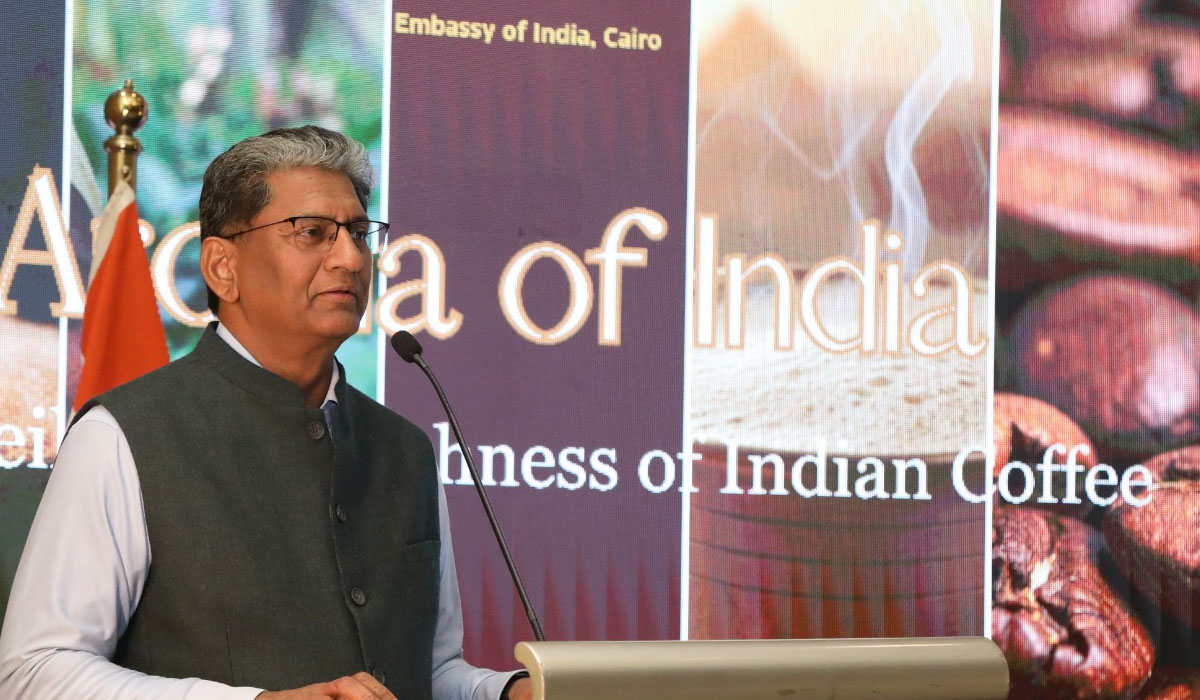 During the event, the Indian Ambassador to Egypt, Suresh K. Reddy, reviewed the history of Indian coffee's fame in Europe, specifically Malabar Monsoon coffee, which historically acquired its unique flavor as a result of long sea voyages during the monsoon season before the Suez Canal was built. As transportation conditions changed, producers in India were keen to preserve this traditional taste by replicating the same climatic conditions, which contributed to cementing Indian coffee's global reputation.
The Indian Ambassador to Egypt explained that Indian coffee boasts a distinctive taste and a unique history, noting that many may not know the historical story behind its fame in Europe, particularly the story of the Malabar Monsoon, which contributed to its distinctive flavor.
During his speech at an event promoting Indian coffee in Cairo, the Ambassador explained that in the past, coffee was exported from the Malabar Coast of India to Europe before the Suez Canal was built. The journey took between three and four months, circumnavigating Africa and passing over the Cape of Good Hope. He added that this long voyage, which took place during the Indian monsoon season, combined with the sea's salinity, gave Indian coffee its special flavor and distinctive taste, which European consumers had come to expect.
He pointed out that after the opening of the Suez Canal and the reduction in shipping time, the characteristics of the coffee changed due to its shorter exposure to the Indian monsoon. This led European consumers to demand a return to the coffee's original taste. As a result, traders in India resorted to exposing coffee beans to the monsoon winds in open areas during the season to reproduce the flavor and appearance that European consumers were accustomed to.
The ambassador affirmed his preference for Indian coffee from South India, praising its distinctive flavor and taste, despite having also tried Turkish coffee in Egypt.
The Indian ambassador to Egypt invited the Chairman of the Indian Coffee Board to visit Egypt at the head of a council delegation. He noted that Egypt represents a large market with a vibrant economy and promising opportunities, especially given the noticeable shift in young people's tastes and preferences regarding coffee. He explained that approximately 60% of Egypt's population is under the age of 30, necessitating a focus on meeting their evolving needs and trends.
The Indian ambassador also expressed his appreciation for the existing cooperation with Egyptian partners and called for enhanced communication and increased trade and investment opportunities between the two countries. He affirmed his readiness to visit coffee factories in Egypt and explore avenues for joint cooperation. He emphasized that Indian coffee enjoys widespread renown and a global reputation, and that the time has come for Egyptian families to become acquainted with Indian coffee and for Indian coffee to gain a strong presence in the Egyptian market.
For his part, Hassan Fawzy, head of the Coffee Division at the Cairo Chamber of Commerce, affirmed that Indian coffee is a fundamental ingredient in the Egyptian coffee market, particularly in Turkish coffee blends, due to its balanced body and flavor.
He explained that Egypt has been importing Indian coffee for decades, and its variety, ranging from Robusta to Arabica, allows for its use in numerous blends to satisfy diverse tastes. Indian coffee currently constitutes about 25% of some factories' imports, with plans to increase this percentage in the future.
He also emphasized that the coffee trade transcends being merely an economic activity, serving as a bridge for cultural exchange between nations. He commended the role of the Indian Ambassador to Egypt in supporting joint cooperation and stressed the importance of addressing challenges related to the availability of certain varieties and rising spice prices, which will contribute to strengthening the strategic partnership between Egypt and India and supporting sustainable economic growth.