




Roaring Land vs Epic Fury: Rising Tensions Shake the Red Sea and Strait of Hormuz
A Region on Edge
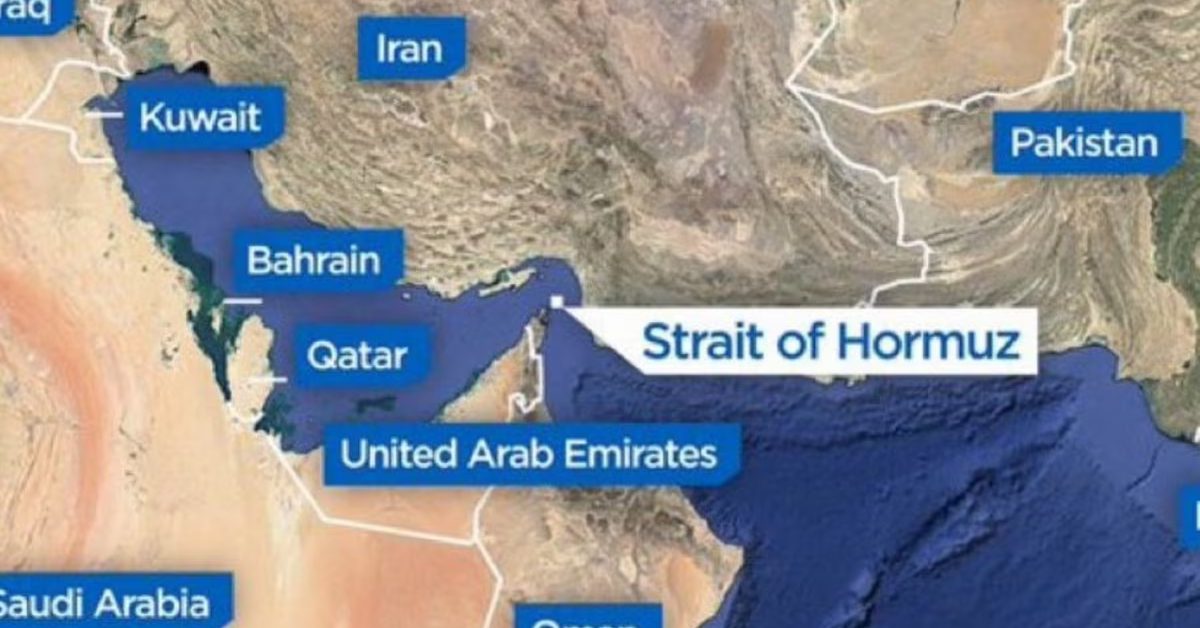
The Middle East is once again at a critical juncture. Hostilities between the United States, Israel, and Iran have escalated, drawing in regional proxies and threatening strategic maritime corridors. From the Red Sea to the Strait of Hormuz, global trade and energy flows hang in the balance, making this a crisis with international repercussions.
The core of the tension lies in Iran’s nuclear ambitions, Israel’s security posture, and Washington’s commitments to regional allies. Each side pursues different strategic objectives: deterrence for Israel, regional influence for Iran, and stability coupled with alliance protection for the United States.
Roaring Land vs Epic Fury: Strategic Messaging
The confrontation has been framed symbolically as Roaring Land versus Epic Fury — Israel and its allies’ assertive defense posture against Iran’s retaliatory strikes and proxy mobilization. These labels highlight the psychological dimension of modern conflict, where perception, morale, and messaging can influence strategy as much as battlefield maneuvers. Analysts caution that leaning into these identities increases the risk of uncontrolled escalation, underscoring the urgent need for diplomatic management.
Diplomatic Channels Struggle
Despite the intensity of military activity, diplomacy continues under strain. The United Nations and European powers have urged restraint, emphasizing dialogue and adherence to international law. Gulf states are facilitating backchannel communications to prevent localized confrontations in strategic maritime corridors from spiraling into full-scale war.
However, trust deficits, domestic political pressures, and competing strategic goals make negotiation delicate. Even indirect talks must navigate a complex environment of national pride, alliance obligations, and regional rivalries.
Paths to De-Escalation
Several diplomatic strategies could stabilize the situation:
Backchannel Negotiations – Quiet, indirect communications can manage tensions without public escalation.
Incremental Confidence-Building Measures – Humanitarian corridors and de-confliction agreements can reduce immediate risks.
Regional Security Frameworks – Engaging Gulf states in coordinated crisis management strengthens shared oversight of key maritime routes.
Renewed Nuclear Talks – Structured negotiations with Iran on its nuclear program address one of the conflict’s main drivers.
A Crossroads Moment
The Middle East faces a defining moment. Escalation risks drawing additional states into conflict, with consequences for civilians, trade, and energy markets. Yet history shows that crises of this magnitude can also catalyze serious diplomacy when the costs of confrontation become too high.
Success will depend on strategic restraint, political courage, and sustained international mediation. The coming weeks will test the region’s ability to balance deterrence and diplomacy, particularly around the Red Sea and Strait of Hormuz, whose stability is crucial for global commerce and regional security.