




How U.S.–Iran Geopolitical Tensions and Sanctions Stress India’s Strategic Interests: Energy Security, Trade Pressures, and Regional Stability
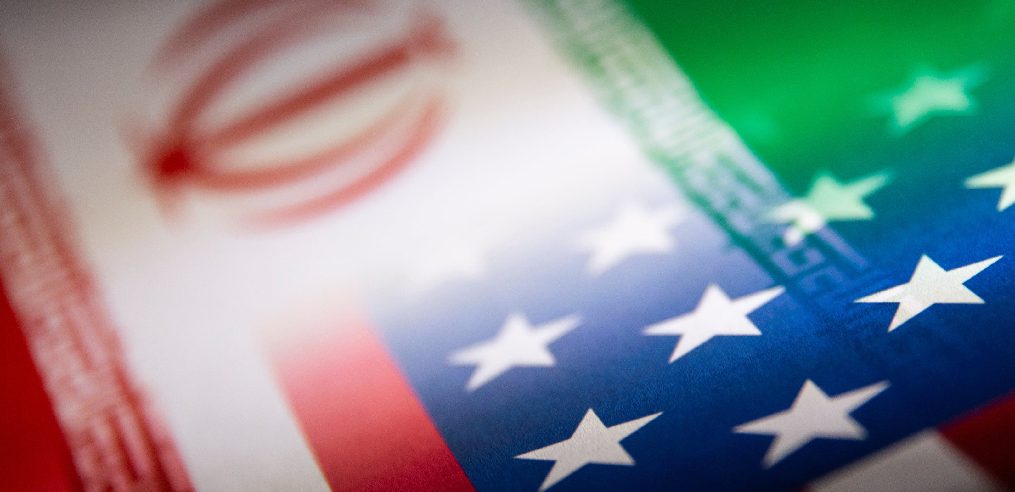
Far beyond West Asia, the protracted conflict between the US and Iran continues to have geopolitical repercussions. The ramifications are particularly important for India, including regional stability, commercial involvement, and energy security. New Delhi's long-standing quest for strategic autonomy is under constant strain as sanctions tighten and militaristic rhetoric resurfaces regularly. The most pressing issue is still energy vulnerability. The third-largest oil importer in the world, India, is particularly vulnerable to changes in Gulf oil prices. Iran was one of India's main suppliers before the re-imposition of U.S. sanctions in 2019, providing favourable credit terms and logistical dependability. Indian refiners were compelled to quickly diversify due to the abrupt halt in imports, which increased their costs and geopolitical risk.
Every escalation between Washington and Tehran, whether it involves military action rumours or threats to shipping channels, has resulted in spikes in oil prices that put pressure on India's budget, raise inflation, and make managing gasoline subsidies more difficult.
Diversification has its limits, even if New Delhi has somewhat reduced this susceptibility by increasing purchases from Russia and other manufacturers. Pricing stability is nevertheless impacted by transportation expenses, insurance rates in conflict-prone areas, and regulatory uncertainty. In one of the most vital energy corridors in the world, strategic petroleum reserves only offer short-term protection and cannot replace long-term stability.
The second significant restriction on India's strategic space is sanctions. Indian companies doing business with Iran have been chilled by U.S. secondary sanctions, especially in the areas of banking, shipping, and infrastructure development. Accessing payment systems and insurance coverage is a challenge for industries that are legally exempt from constraints. As a result, India's business presence in Iran has gradually decreased due to political risk, growing compliance costs, and legal restrictions.
There are strategic ramifications to this deterioration. Decreased Indian involvement gives rivals, particularly China, more room to expand their footprint in Iran's infrastructure and energy industries. These dangers eventually erode India's power in West and Central Asia, an area crucial to its extended neighbourhood strategy.
Iran-focused connectivity goals emphasize this conundrum even further. Bypassing Pakistan, the Chabahar port project was intended to serve as a gateway connecting India with Afghanistan and Central Asia. However, ongoing uncertainty over sanctions has delayed the pace of investment and deterred private sector involvement. Despite Washington's occasional recognition of Chabahar's developmental significance, the region's future remains uncertain due to wider geopolitical issues. Retreat jeopardizes India's long-term strategic outreach, while tenacity exposes the country to economic risk and diplomatic conflict.
These demands are exacerbated by security concerns. Millions of Indian expats live in the Gulf, and their remittances are a major source of household income in several Indian states. Any major confrontation involving Iran would put labour markets at risk, interfere with financial flows, and require expensive evacuation operations like those carried out during previous Middle Eastern crises. Beyond humanitarian concerns, such disruptions would reverberate across India’s domestic economy.
The growing animosity between the United States and Iran puts India in a more difficult diplomatic balancing position. Open support for Washington's coercive approach runs the danger of upsetting Tehran and making relations with regional players that place a higher priority on de-escalation more difficult. On the other hand, India's growing strategic alliance with the US, especially in defence cooperation and Indo-Pacific security, may be strained by overt opposition to US pressure. As sanctions regimes expand and geopolitical competition intensifies, navigating these conflicting imperatives has grown increasingly challenging.
Policy responses are also influenced by domestic political factors. Voters and industrial output are directly impacted by fluctuations in fuel prices, and business associations with longstanding connections to Iranian markets support practical involvement. As a result, policymakers must control foreign threats while maintaining domestic economic stability. The result has been a cautious hedging strategy: reducing high-visibility exposure to sanctioned entities while maintaining limited diplomatic and commercial channels where feasible.
In the future, India's strategy is likely to place more emphasis on resilience than on realignment. Diversifying import sources, increasing strategic oil reserves, and accelerating renewable energy development remain essential for protecting the economy from external shocks. Firms may manage sanctions exposure without sacrificing long-term strategic goals by fortifying legal and financial compliance structures. Stabilizing trade flows can be achieved diplomatically by increased cooperation with Gulf allies and global energy forums. However, as long as U.S. - Iran relations are antagonistic, structural vulnerabilities will continue to exist. Middle powers like India now have less strategic autonomy as a result of the growing use of economic coercion as a geopolitical tactic, which has turned regional crises into worldwide commercial disruptions. What was once a distant rivalry has become a daily economic reality shaping fuel price, investment decisions, connectivity ambitions, and the security of millions of Indian citizens abroad.
About The Author