




From Sponsor to Adversary: Airstrikes Reshape Afghanistan – Pakistan Ties
Tensions between Pakistan and Afghanistan have entered a dangerous new phase, marked by escalating military action, contested narratives, and cautious international engagement. What began as a security dispute is now unfolding into a broader crisis with serious regional consequences.
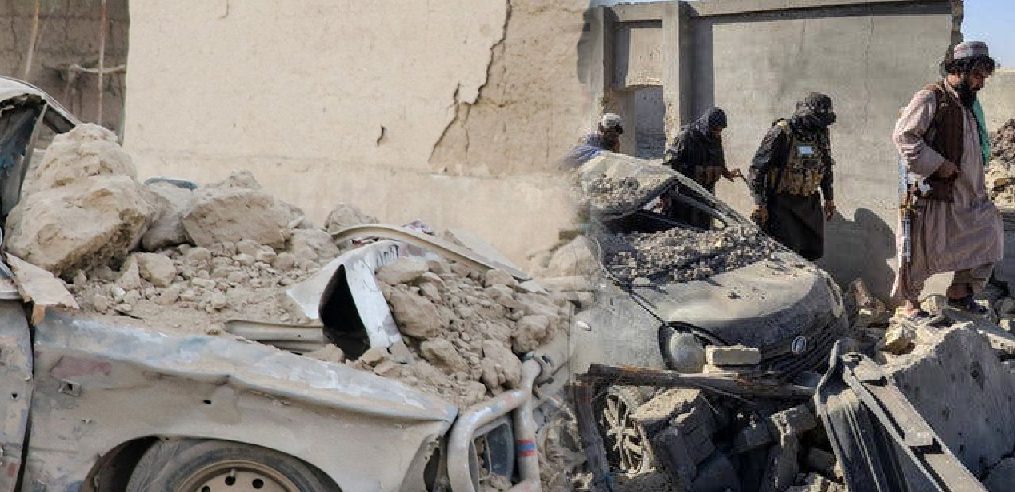
At the center of the latest developments is a deadly airstrike in Kabul. The Afghan Taliban claim that a drug rehabilitation hospital was struck, leading to the deaths of more than 400 people and injuries to hundreds more. If confirmed, the scale of the casualties would make it one of the most severe incidents in the country in recent years.
Authorities in Pakistan strongly reject these claims. Officials insist that the strikes were aimed at militant infrastructure and deny targeting civilians or medical facilities. This sharp contrast in narratives highlights a persistent challenge in conflict situations—where establishing verified facts becomes difficult and competing accounts shape international perception.
Escalation Rooted in Security Concerns
The crisis has been building over weeks. On February 22, Pakistan carried out airstrikes inside Afghan territory, stating that the objective was to target militant groups responsible for cross-border attacks. These operations reflect Islamabad’s growing concern about armed networks it believes are operating from within Afghanistan.
Kabul has dismissed these accusations and described the strikes as violations of its sovereignty. In response, tensions have escalated through retaliatory actions and increasingly strong political statements. Pakistan’s defence leadership has even described the situation as nearing an “open war,” underlining the seriousness of the confrontation.
A Measured International Response
Amid rising instability, the global response has remained cautious. The United Nations Assistance Mission in Afghanistan – the UN’s primary mission in the country – has received only a short-term extension following a review initiated by the United States.
This limited extension reflects broader uncertainty within the international community. While there is agreement on the importance of maintaining a UN presence, the shorter mandate suggests hesitation about long-term commitments in an increasingly unstable environment.
Strategic and Humanitarian Stakes
The implications of the crisis extend beyond military strategy. Reports of civilian casualties—whether confirmed or disputed—raise serious humanitarian concerns and could intensify global scrutiny. Continued cross-border operations also risk further destabilizing an already sensitive region.
The Afghanistan–Pakistan border has long been a point of tension, shaped by security challenges, historical mistrust, and competing interests. The current escalation threatens to deepen these issues and complicate efforts toward stability.
An Uncertain Path Forward
For now, the situation remains fluid and difficult to assess with certainty. With both sides holding firm to their positions and limited independent verification available, the full picture of recent events is still emerging.
What is increasingly evident, however, is that the margin for restraint is shrinking. Without renewed diplomatic engagement and credible efforts to reduce tensions, the crisis risks hardening into a longer-term confrontation—one that could reshape not only bilateral relations but the wider stability of the region.