



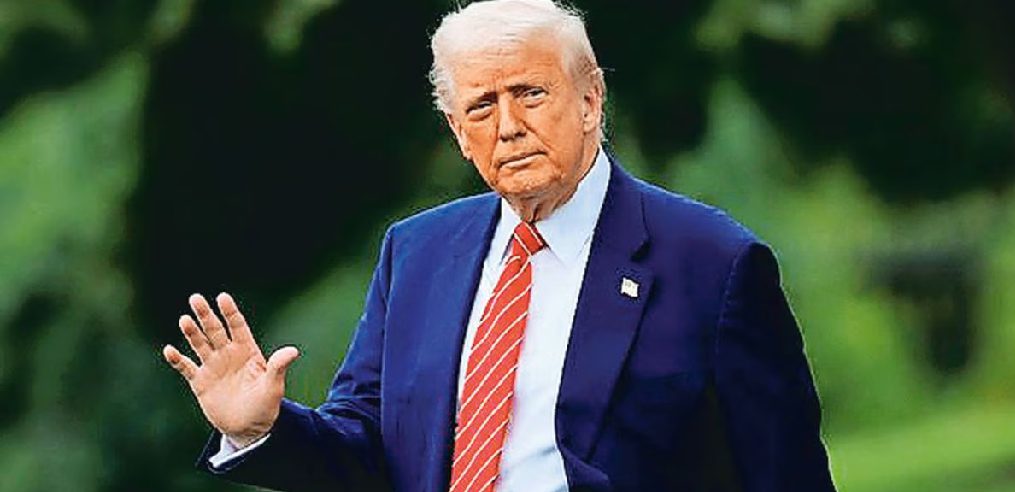
Trade Wars in Disguise: How U.S. President Trump’s Policies Intensify Tariffs, Sanctions, and Economic Pressure on India
Beyond military tensions in West Asia, U.S.-led trade interventions under Trump since 2021 – through tariffs, sanctions, and pressure on energy imports – have subtly challenged India’s exports, industrial competitiveness, and financial stability, highlighting the urgent need for economic resilience and diversified partnerships.
Economic Pressure as a Strategic Front
While global headlines often focus on military confrontations – like the U.S. – Israel – Iran conflict – the economic dimension of these crises is equally significant. India’s position as a rapidly growing economy, reliant on energy imports, global trade, and foreign investment, makes it sensitive to indirect economic pressures. Trade measures, tariffs, and sanctions are no longer mere regulatory tools; they have become instruments of strategic influence, subtly shaping India’s industrial, financial, and energy sectors.
Tariffs and Trade Barriers: The Subtle Weapon
Since 2021, U.S. policies under President Trump have imposed targeted tariffs on Indian exports, including steel, aluminum, and certain chemicals. These tariffs raise production costs for Indian manufacturers, reduce competitiveness in key markets, and increase trade friction. Beyond these headline measures, regulatory scrutiny on Indian IT services and other technology exports adds pressure to maintain global supply chains under unpredictable conditions. These trade barriers function as a form of economic warfare, shaping Indian market access without a single military engagement.
Energy Vulnerabilities: Investments Under Fire
India’s energy security has always been a strategic priority, and investments in overseas oil and gas assets are critical to ensure supply stability. For example, in 2004 Indian Oil Corporation invested significantly in Iran’s South Pars gas field, aiming to secure LNG supplies and diversify India’s energy imports. Similarly, in 2008 ONGC Videsh Ltd expanded investments in strategic overseas oil and gas fields, including assets in Sudan and Russia, to mitigate dependency risks.
Geopolitical tensions – exacerbated by U.S.-led sanctions on Iran or instability in the Persian Gulf – directly affect the operations and profitability of these investments. LNG terminals, undersea pipelines, and strategic fuel storage projects in India also face higher risk premiums and financing costs when global supply is threatened. These examples illustrate how conflict indirectly pressures India’s economic infrastructure and long-term energy strategy.
Industrial Competitiveness Under Pressure
Beyond energy, U.S. interventions impact Indian industrial competitiveness. Restrictions on technology imports, regulatory delays, and heightened scrutiny of Indian products in foreign markets constrain innovation and productivity. Key sectors – manufacturing, pharmaceuticals, and IT – face operational challenges, demonstrating how economic instruments can indirectly weaken India’s global trade position. These pressures are intensified when combined with rising energy costs, currency volatility, and trade uncertainties.
Financial Markets and Currency Volatility
Economic pressure translates into tangible financial impacts. Indian markets, including the BSE, NSE, and NIFTY, experience heightened volatility during periods of geopolitical tension. The Indian rupee is particularly sensitive, weakening against the U.S. dollar during energy shocks or tariff announcements, which increases the cost of imports and inflationary pressures domestically. Investors in India monitor these disruptions closely, as they affect corporate profits, cross-border investments, and broader economic sentiment.
Strategic Countermeasures and Economic Diplomacy
India’s response to these multi-dimensional pressures illustrates strategic foresight. Diversifying energy suppliers beyond Iran and West Asia, strengthening domestic manufacturing and exports through initiatives like Make in India, investing in renewable energy and strategic fuel reserves, and expanding diplomatic and trade engagement with alternative partners—including the EU, ASEAN, and Africa – are key measures to offset risks posed by U.S. interventions or global conflicts. These steps reflect a nuanced approach to counter economic pressure, blending policy, investment, and diplomacy to protect India’s strategic interests.
Case Study: The South Pars Gas Field
India’s investment in the South Pars gas field illustrates how geopolitical and economic factors converge. The project, initiated in 2004 by Indian Oil Corporation, was intended to supply LNG and diversify India’s energy portfolio. U.S.-led sanctions and regional instability delayed operations, forcing India to reconsider alternate energy routes and partner nations. ONGC’s subsequent overseas investments in 2008 further demonstrate India’s long-term strategic commitment to securing energy, despite economic and political risks.
A Modern Economic Battlefield
The period since 2021 has revealed that modern warfare is increasingly multi-dimensional. While headlines focus on military engagements, economic tools—tariffs, sanctions, energy restrictions – are equally potent, subtly shaping India’s trade, industrial, and financial landscape. India’s strategic investments, proactive policy measures, and diversified partnerships provide resilience against these pressures.
Safeguarding India’s Economic Sovereignty
U.S.-led tariffs, sanctions, and energy disruptions function as subtle instruments of economic warfare, targeting India’s energy security, industrial competitiveness, and trade balance. By diversifying energy sources, strengthening domestic manufacturing, and leveraging strategic diplomacy, India can navigate these pressures, safeguard its economic sovereignty, and continue its trajectory as a rising global economic power.