

BRICS Foreign Ministers’ Meeting Begins in India Amid Global Energy Crisis
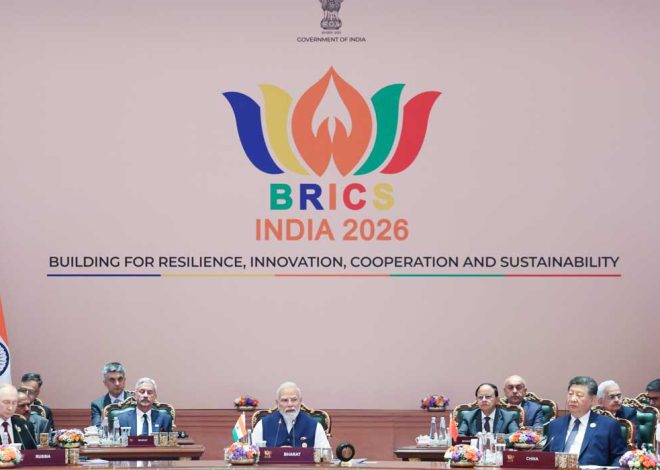
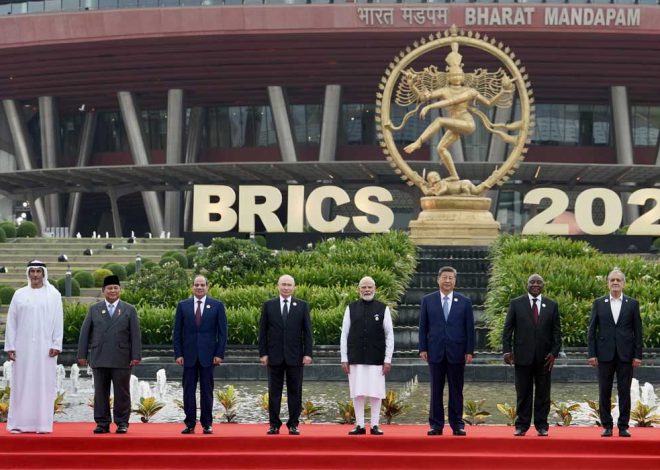
The meeting of foreign ministers from the BRICS group of nations commenced in the Indian capital, New Delhi, against the backdrop of the repercussions of the US-Israeli war on Iran and the resulting pressure on global energy markets.
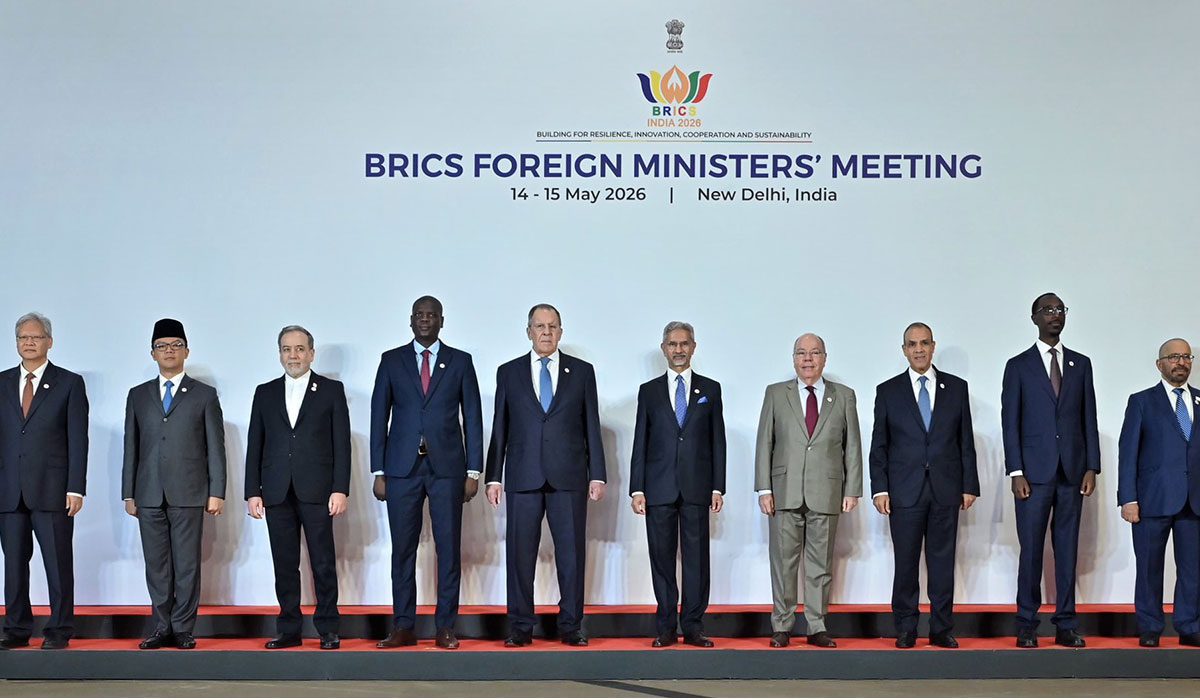
India is hosting the foreign ministers of the 11 member states of the organization on Thursday and Friday.
BRICS was founded in 2006 by Brazil, Russia, India, and China. South Africa joined in 2011, and on January 1, 2024, Egypt, Ethiopia, Iran, Saudi Arabia, the UAE, and Indonesia became members.
Diplomats from Brazil, Russia, India, China, and South Africa are participating in the meeting, along with the new member states. Iranian Foreign Minister Abbas Araqchi and his Russian counterpart, Sergey Lavrov, are also in attendance.
The Chinese Ambassador to New Delhi, Xu Feihong, is also present. Foreign Minister Wang Yi was absent, as he was in Beijing for US President Donald Trump's visit. The meeting coincided with Trump's visit to China and his meeting with Chinese President Xi Jinping in Beijing.
The meeting is being held against the backdrop of the fallout from the war that began following the US and Israeli attacks on Iran on February 28, and the resulting pressure on global energy markets and rising fuel prices due to the disruptions in the Strait of Hormuz.
In his opening remarks, Indian External Affairs Minister Subrahmanyam Jaishankar said, "We are meeting at a time when the world is increasingly complicated and uncertain, with severe impacts on emerging markets and developing countries."
He stressed the need for a more effective response to the challenges facing energy, food, fertilizer, and health security, as well as ensuring the smooth flow of maritime traffic through international waterways, given their critical importance to global economic well-being.
He emphasized the importance of securing reliable supply chains and diversified markets to enhance economic resilience, along with addressing climate change while adhering to the principles of equity and common but differentiated responsibilities. He also highlighted the importance of leveraging technology to achieve good governance and inclusive growth, while addressing concerns of trust, transparency, and equitable access.
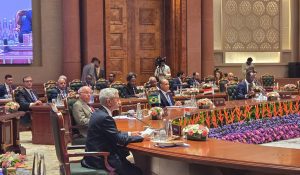
He stressed the need to confront challenges threatening international peace and security through dialogue and diplomacy, strengthen cooperation in combating terrorism, and reform multilateralism, including reforming the UN Security Council in its permanent and non-permanent categories.
He stated that India's BRICS presidency aims to build resilience, innovation, cooperation, and sustainability. He expressed confidence that the BRICS India 2026 discussions will contribute to a more stable, equitable, and inclusive international order.
Dr. Badr Abdel-Aty, Minister of Foreign Affairs, International Cooperation, and Egyptians Abroad, also participated in the meeting on Thursday. In his remarks, he expressed his aspiration to further enhance economic cooperation among BRICS countries, support the role of the New Development Bank, and promote the implementation of joint projects in the energy, manufacturing, infrastructure, and advanced technology sectors. He also discussed the initiatives proposed by Egypt within the BRICS framework, including the establishment of a grain logistics center east of Port Said to enhance food security, thereby contributing to supporting industrial, commercial, and investment cooperation among member states.
During his speech, he addressed several priority issues on the multilateral agenda, most notably reforming the global economic system and the Security Council. He reviewed Egypt's position supporting the Ezulwini Consensus and the Sirte Declaration as the frameworks expressing the unified African position and the only way to address the historical injustice in the representation of the African continent within the Security Council.
The Egyptian Foreign Minister also reviewed the interconnected challenges facing the international system and the global economy, noting that developing countries bear the brunt of the repercussions of these crises. In this context, he addressed developments in the Middle East and the escalating tensions in the region, which threaten regional and international stability and negatively impact international maritime security, supply chains, and energy and food prices.
He reviewed Egypt's efforts to contain tensions, de-escalate the conflict, and prevent its expansion, affirming Egypt's full support for the security and stability of the brotherly Gulf Arab states and rejecting any attacks that threaten their sovereignty and stability. He stressed that diplomatic solutions and peaceful settlements are the only way to achieve security and stability.
Regarding the Palestinian issue, the Egyptian Foreign Minister condemned Israeli practices in the occupied Palestinian territories and emphasized the need to ensure the unimpeded delivery of humanitarian, relief, and medical aid to the Gaza Strip. This would contribute to alleviating human suffering, paving the way for early recovery and reconstruction, and ultimately leading to a just and comprehensive settlement of the Palestinian issue.