



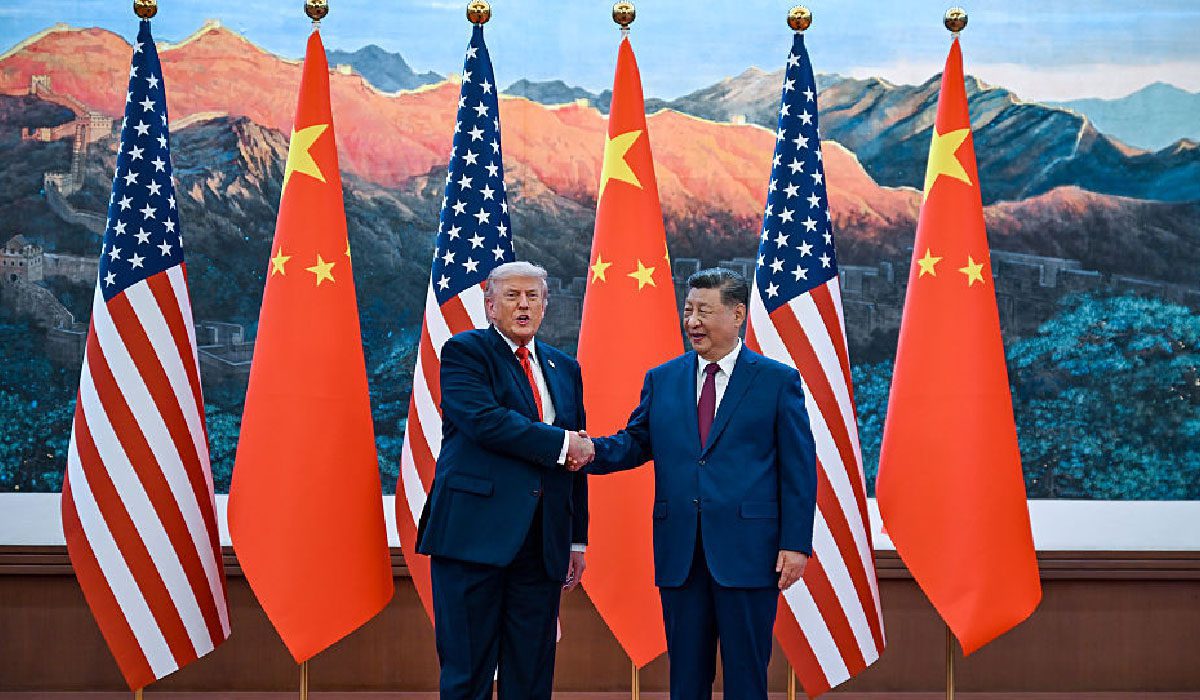
Trade, Taiwan and Global Security Dominate High-Stakes Xi–Trump Talks in Beijing
A High-Stakes Summit in Beijing
Chinese President Xi Jinping and U.S. President Donald Trump began a crucial two-day summit in Beijing amid renewed efforts to stabilize one of the world’s most consequential bilateral relationships. The meeting unfolded against a backdrop of global economic uncertainty, geopolitical rivalry, and growing concerns over regional security issues.
The summit marked a significant diplomatic engagement between Washington and Beijing as both nations attempted to balance strategic competition with economic cooperation.
Trade Talks Signal Positive Momentum
At the opening session, President Xi highlighted what he described as constructive progress in ongoing trade negotiations between China and the United States. Economic cooperation emerged as one of the central themes of the summit, with both sides seeking to ease commercial tensions that have shaped bilateral relations in recent years.
President Trump emphasized expanding trade opportunities and increasing Chinese imports of American products, while business and economic representatives from both countries also participated in discussions aimed at strengthening economic engagement.
Despite persistent strategic differences, the trade dialogue reflected a mutual recognition of the importance of stable economic relations between the world’s two largest economies.
Taiwan Remains a Major Point of Friction
Alongside trade discussions, Taiwan remained one of the most sensitive issues on the summit agenda. Beijing reiterated its strong opposition to continued U.S. arms sales to Taiwan, viewing the matter as directly linked to China’s sovereignty and territorial integrity.
The Taiwan issue once again highlighted the deep strategic disagreements that continue to shape U.S.–China relations, even as both sides pursue broader diplomatic engagement.
Regional Security and Iran Conflict Discussed
The leaders also exchanged views on international security developments, including the ongoing tensions surrounding Iran and the wider situation in West Asia. Discussions reportedly focused on the potential impact of regional instability on global energy markets, international trade routes, and broader geopolitical stability.
The summit underscored the increasing overlap between economic diplomacy and global security concerns in shaping modern international relations.
Managing Rivalry Through Dialogue
While the Beijing summit did not produce any major breakthrough agreements, it reflected continued efforts by both governments to maintain communication channels and prevent further deterioration in ties.
Observers viewed the meeting as an attempt to manage strategic rivalry through sustained diplomatic engagement rather than resolve long-standing disputes outright. Trade cooperation showed cautious progress, but differences over Taiwan, security issues, and geopolitical influence remain substantial.
A Relationship Shaping the Global Order
The Xi–Trump summit once again demonstrated the complex nature of U.S.–China relations — a relationship defined by economic interdependence, strategic competition, and global influence.
As international tensions continue to evolve, the outcome of such high-level engagements will remain critical not only for bilateral relations but also for the broader direction of the global political and economic order.