


Arab-Islamic Leaders Unite in Doha Following Israeli Strike, Call for Accountability and Peace
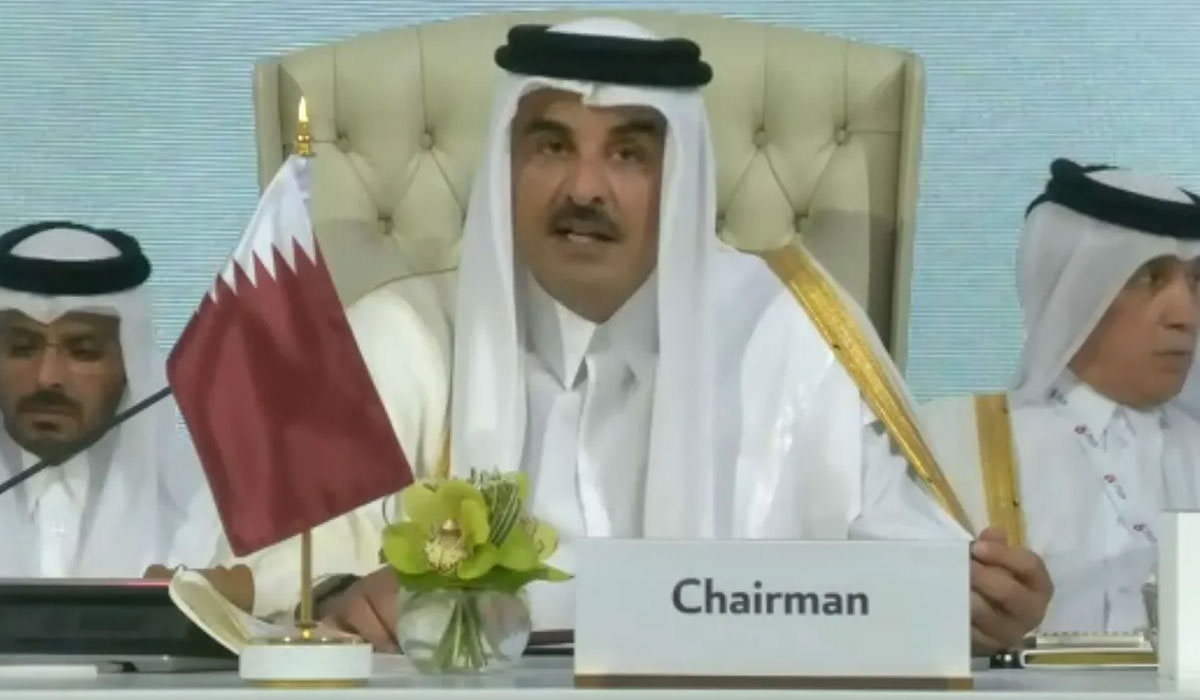
An emergency Arab-Islamic summit convened in Doha on Monday, bringing together leaders from across the Arab world and the Islamic community in response to a recent Israeli airstrike in Qatar. The strike, which resulted in the deaths of five Hamas members and a Qatari security official, drew sharp condemnation and renewed calls for regional solidarity.
This high-level meeting, co-hosted by the Arab League and the Organisation of Islamic Cooperation (OIC), aimed to formulate a joint response to the incident and discuss broader regional stability amid escalating tensions in the Middle East.
Strong Condemnation and Diplomatic Dialogue
The summit opened with a preparatory session among foreign ministers, where participants drafted a resolution condemning the Israeli strike as a breach of Qatari sovereignty and international law.
Qatar’s Emir, Sheikh Tamim bin Hamad Al Thani, criticized the Israeli government’s ongoing military actions and reaffirmed Qatar’s role as a neutral mediator in regional conflicts, particularly those involving Gaza.
Leaders from countries such as Egypt, Iran, Jordan, and Pakistan also expressed strong disapproval of the Israeli actions, warning that continued violence threatens not only regional peace but also efforts toward normalization of relations with Israel.
Push for Collective Measures
While the summit reflected strong political unity, tangible actions were limited. A draft communique suggested that further aggression from Israel—such as settlement expansion or civilian attacks—could jeopardize peace processes and normalize ties with other Arab nations.
Although concrete steps like sanctions or diplomatic breaks were discussed, they were not finalized due to differing national interests. Some countries that maintain diplomatic relations with Israel preferred a more cautious approach, which affected the level of collective response.
Historical Context and Policy Shift
This summit took place against the backdrop of rising tensions after the Israeli airstrike in Doha on September 9, which disrupted ongoing mediation efforts involving Egypt and the United States.
The strike specifically targeted a location reportedly used for meetings between Hamas officials, escalating the already fragile situation.
The strike not only endangered diplomatic efforts to mediate the Gaza conflict but also raised concerns about violations of national sovereignty.
Outcomes and Next Steps
Though the summit fell short of enacting harsh retaliatory measures, it served to reaffirm a united front against what many attendees called unjustified Israeli aggression.
Key points from the summit included:
- A renewed call for Israel to respect international law and territorial sovereignty
- Support for pursuing international legal action against violations
- Emphasis on regional cooperation to prevent further destabilization
Moving forward, participating nations are expected to engage with international institutions and possibly raise the matter at the United Nations General Assembly, where some of the leaders, including Qatar’s Emir, will be present next week.
A Test of Regional Unity
Despite diverging views on how to respond to Israel, the summit demonstrated a rare show of unity across the Arab-Islamic world. Leaders agreed to maintain communication and explore coordinated diplomatic avenues in the weeks ahead.
Analysts note that while the tone was firm, the real test will lie in whether the bloc can move from words to action, especially amid international pressure and internal divisions.