


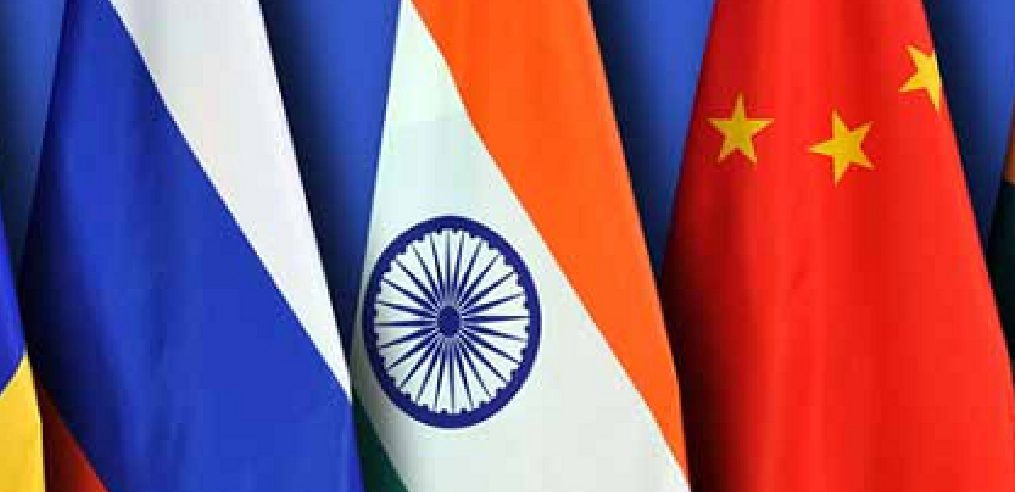
Beyond the Middle East Crisis: Why the Russia – India – China Dialogue Matters for a Multipolar World
The escalating confrontation involving the United States, Israel, and Iran has intensified geopolitical tensions and exposed vulnerabilities in the global political and economic order. The crisis has disrupted energy markets, threatened vital maritime trade routes, and raised concerns about the stability of the international system. In this changing geopolitical environment, alternative diplomatic frameworks are gaining importance. The Russia – India – China (RIC) mechanism offers a platform for dialogue and coordination among three major Eurasian powers. By promoting strategic consultation and multipolar cooperation, the RIC framework could contribute to a more balanced approach to global diplomacy. This article explores the international implications of the Middle East conflict and examines the growing relevance of trilateral cooperation among Russia, India, and China.
A Conflict with Global Consequences
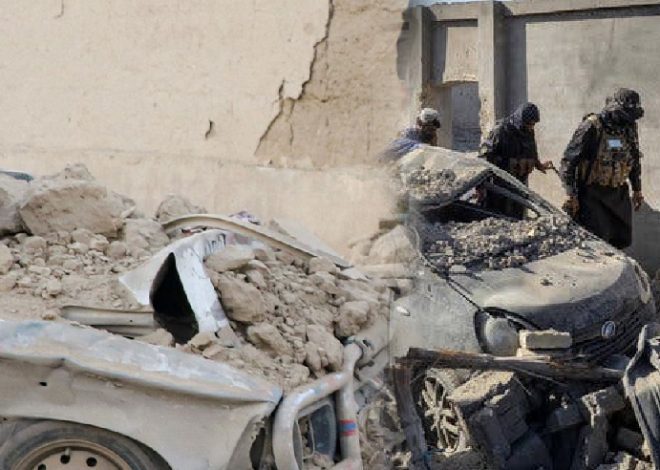
The ongoing confrontation involving the United States, Israel, and Iran has become one of the most serious geopolitical crises in recent years. Although the conflict is centered in the Middle East, its implications extend across the global political and economic landscape. Military escalation and strategic rivalry in the region have created uncertainty for governments, businesses, and international institutions worldwide.
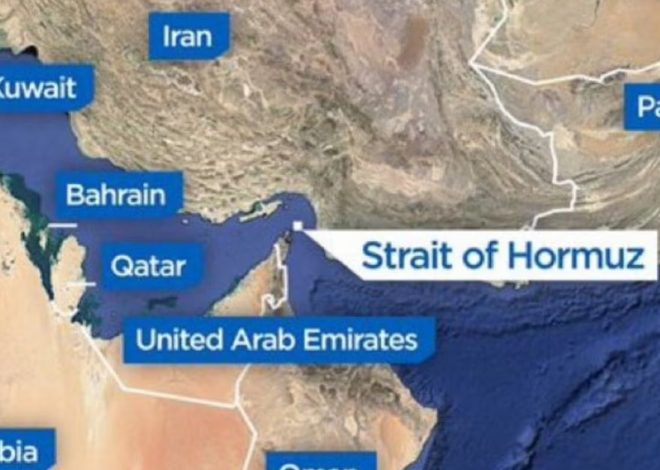
One of the most immediate concerns relates to the security of the Strait of Hormuz, one of the most critical maritime chokepoints for global oil transportation. A large portion of the world’s crude oil shipments passes through this narrow waterway linking the Persian Gulf with international markets. Any disruption to shipping in this corridor can quickly affect global energy supplies and fuel prices.
Even the possibility of instability in the Strait of Hormuz has already generated volatility in energy markets. Oil prices have fluctuated significantly, shipping insurance premiums have increased, and governments have begun reassessing their energy security strategies. For many energy-importing economies, particularly in Asia, such disruptions could have profound economic consequences.
Beyond economic impacts, the conflict has also deepened geopolitical divisions, forcing many countries to carefully balance diplomatic relationships while attempting to avoid direct involvement in the confrontation.
Shifting Power Dynamics in the International System
The crisis also reflects a broader transformation in global politics. The international system is gradually moving away from a unipolar structure dominated by a single power toward a more complex environment characterized by multiple centers of influence.
Countries such as India, China, and Russia increasingly emphasize the importance of a multipolar world order in which decision-making authority is shared among major states rather than concentrated in one geopolitical bloc.
This evolving environment has encouraged the development of diplomatic mechanisms that allow emerging powers to coordinate their policies and engage in strategic dialogue. Among these frameworks, the Russia – India – China trilateral consultation format has gained renewed attention.
The Strategic Logic of the Russia – India – China Mechanism
The Russia – India – China (RIC) mechanism was conceived as a platform for consultation among three major Eurasian powers. Unlike traditional military alliances, the RIC framework is designed to encourage dialogue, diplomatic coordination, and cooperation on global governance issues.
The core principle behind the mechanism is the idea of multipolarity – an international system in which several influential powers contribute to global stability and decision-making. In theory, such a system can reduce geopolitical tensions by distributing influence more evenly and encouraging cooperative diplomacy.
Together, Russia, India, and China represent a substantial share of the global population, economic output, and geopolitical influence. Their combined engagement in international affairs therefore has the potential to shape discussions on global security, economic development, and institutional reform.
In times of geopolitical crisis, platforms that encourage communication among major powers can play an important role in preventing conflicts from escalating further.
Denis Alipov’s Remarks on RIC Cooperation
The importance of trilateral engagement among Eurasian powers has been emphasized by Denis Alipov, the Ambassador of Russia to India.
Speaking about the evolving international environment, Ambassador Alipov highlighted the strategic potential of cooperation among Russia, India, and China. According to him, coordination among these three countries could play a decisive role in shaping the future balance of global politics.
Alipov noted that Russia, India, and China collectively represent a major portion of the world’s population and economic power. If these countries coordinate their diplomatic approaches on key global issues, they could contribute significantly to strengthening international stability.
He further emphasized that the RIC mechanism provides an important platform for dialogue among leading Eurasian nations. Through such cooperation, the three countries can address global challenges including energy security, economic cooperation, and the reform of international institutions.
Reflecting Russia’s broader diplomatic perspective, Alipov suggested that trilateral engagement among the three powers could reinforce the principles of multipolar diplomacy and help create a more balanced international order.
Opportunities and Challenges for Trilateral Cooperation
Despite its potential, the Russia – India – China mechanism also faces several challenges. Political tensions between India and China, particularly over border disputes, have complicated the prospects for deeper strategic cooperation.
Furthermore, each of the three countries maintains distinct foreign policy priorities and strategic partnerships, which sometimes limit the scope for coordinated action.
Nevertheless, the evolving geopolitical environment may create renewed incentives for dialogue. As global crises become increasingly interconnected – ranging from energy security to economic stability – the need for sustained engagement among major powers becomes more apparent.
Strategic Pathways for Enhancing Russia – India – China Cooperation
To enhance the effectiveness of the Russia – India – China framework in global diplomacy, several practical measures could be considered:
Regular High-Level Consultations
Institutionalizing regular meetings among foreign ministers and strategic policymakers could strengthen coordination among the three countries.
Joint Initiatives on Global Security
The RIC countries could collaborate on conflict mediation, peacebuilding initiatives, and counter-terrorism strategies.
Expanded Economic and Energy Cooperation
Cooperation in areas such as energy security, trade connectivity, and infrastructure development could reduce vulnerabilities in global supply chains.
Advocacy for Global Governance Reform
The three countries could jointly promote reforms in international institutions such as the United Nations to ensure broader representation of emerging economies.
Promotion of Strategic Stability
Through coordinated diplomacy, the RIC mechanism could encourage peaceful dialogue and discourage unilateral military actions in international disputes.
Toward a Balanced and Multipolar Global Order
The confrontation involving the United States, Israel, and Iran demonstrates how regional conflicts can quickly evolve into global crises affecting energy markets, international trade, and diplomatic relations.
In such a complex geopolitical environment, diplomatic frameworks that encourage dialogue among major powers are increasingly valuable. The Russia–India–China mechanism represents one such platform, emphasizing consultation, cooperation, and the principles of multipolar governance.
Although the framework faces political and strategic challenges, strengthened engagement among Russia, India, and China could contribute to a more balanced and stable international order. In an era defined by geopolitical uncertainty, dialogue among major powers remains one of the most effective tools for maintaining global stability.