




Denmark: Leading the Way toward Carbon Neutrality
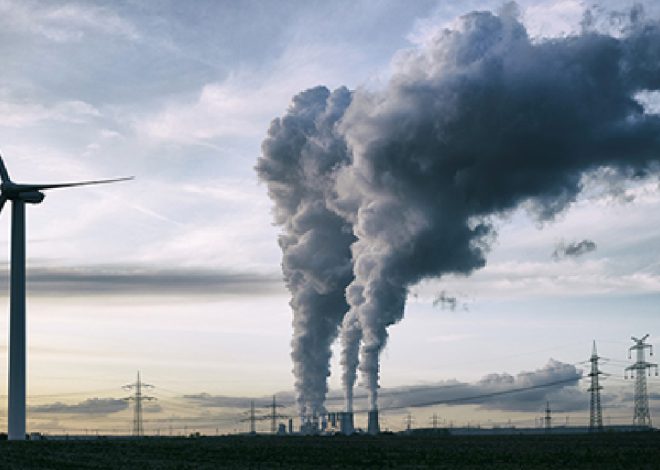
Often ranked among the most sustainable countries in the world, Denmark is widely recognized for its leadership in environmental initiatives. While the power sector is a major contributor to greenhouse gas (GHG) emissions primarily due to its reliance on fossil fuels, initiatives in the transportation sector are equally important for reducing CO2 emissions.
Passenger and goods transport accounts for 25 percent of total CO2 emissions in Denmark, which amounted to 44 million tonnes of CO2 equivalents in 2022. According to the report, the transport sector is expected to be responsible for 39 percent of Danish CO2 emissions in 2030.
Denmark, known for its cleantech projects in the automotive, maritime and aviation sectors, has focused on green energy supply for more than 40 years and is leading the way to reach the 70 percent C02 emission reduction target by 2030.
Huge Power-to-X Potential
Denmark’s ambitious Power-to-X upscaling with more than 40 projects and announcement of 10GWh of electrolyzer capacity is making it a pioneer in sustainable fuels suitable for green aviation. Around DKK 3bn (USD 430 million) has been allocated by the government towards the development of sustainable aviation fuels to be financed through a flat passenger fee of DKK 100 (USD 14) on all domestic flights. Interestingly, Denmark aims to have its first fully
sustainable domestic flight on its wings by 2025.
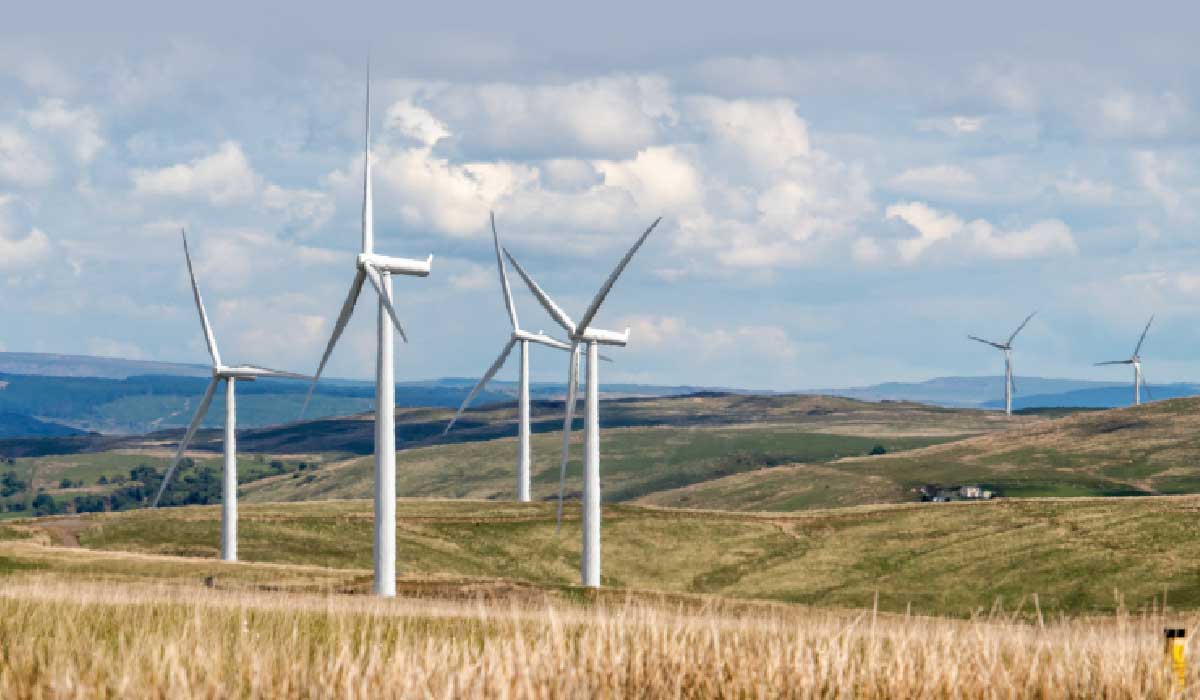
Today, more than 75 percent of the energy in the Danish electricity grid is from renewable sources – one of the highest levels in the world, and 100 percent green electricity in the grid is foreseen by 2027. Moreover, Denmark provides huge offshore wind power resources. The Danish part of the North Sea has the potential to provide 40 GW of offshore wind power, which corresponds to three times more than the expected total Danish power consumption by 2040.
Two ‘energy islands’, one in the North Sea, and one in the Baltic Sea could potentially provide 10 GW and 2 GW of
power respectively.
The Danish TSO Energinet’s Power-to-X vision includes GW-scale electrolyzer facilities at the Danish North Sea coast connected to hydrogen pipelines – this not only makes it feasible to export green hydrogen to the German market but also makes storage of green hydrogen possible in the Danish salt caverns.
Denmark’s leading position in sustainable fuel has opened opportunities for the maritime industry. One of the largest in the world – the Danish maritime industry is currently moving quickly towards a green transition. Denmark, led by the Danish Maritime Authority, has joined hands with the US, Norway, the Global Maritime Forum and Maersk Mc-Kinney Møller Center for Zero Carbon Shipping to create the public/private partnership known as Zero-Emission Shipping Mission’. The partnership aims to develop, demonstrate, and deploy zero-emission fuels, ships, and fuel infrastructure including 10 ports covering zero-emission fuels and 200 primarily zero-emission vessels by 2030.
Thanks to Denmark’s proactive approach to the development of green transport technologies and good framework
conditions for all types of green transportation solutions, the number of electrical vehicle owners in the country has more than doubled from May 2021 to May 2022. Moreover, the government has invested heavily in supporting green
transportation further. This includes vast expansions of charging infrastructure, rollout of zero-emission busses for public transportation and more.
With an aim to make cities like Copenhagen more sustainable, extensive cycling infrastructure, green building practices, expansion of pedestrian-friendly areas and smart city technologies have been adopted. Denmark has high recycling rates and a focus on reducing waste through comprehensive waste management systems. The country promotes organic farming practices and supports sustainable agriculture.
Since 2007, Samso, a small island off the Jutland Peninsula of Denmark, has been 100 percent sustainable, relying entirely on renewable energy such as wind, solar, and biomass energy.
Leadership in Water Sustainability
Denmark employs sophisticated water management systems that focus on the efficient use and recycling of water. The
country invests in cutting-edge technologies for water purification, implements various practices to ensure the
sustainable management of its water resources and actively works on adapting its water management practices to address the impacts of climate change.
According to International Water Association, “Denmark is a leading example of sustainable use and protection of
groundwater. In Denmark, drinking water comes entirely from groundwater, which is carefully protected and managed
sustainably.”
“Many Danish utilities use the Danish-developed Well Field Model and use the model to plan the abstraction from the reservoir with considerations of groundwater reservoir preservation, acceptable water quality, and optimisation of energy consumption. Furthermore, the Well Field Model is an excellent tool for planning a reconstruction or design of a new well field. The operation of a well field is controlled by a SCADA system, which is also used for reporting compliance regarding abstraction permits to the authorities. In Denmark, conservation strategies have been put in place to preserve groundwater and reduce water demand,” it adds.
Sustainability is a holistic approach that includes renewable energy, water management, waste recycling, and green
transportation. Through decades of extraordinary efforts and notable initiatives, Denmark has become a shining
example of a country dedicated to building a more sustainable future.