
Dr. Mohan Kumar: India’s Tariff Structure Balances Domestic Priorities and Global Openness
In an article published by Newsweek, Dr. Mohan Kumar, former Indian ambassador and Director General of the Jadeja Motwani Institute for American Studies, challenged the widespread perception that India imposes excessively high tariffs, calling it a misrepresentation of a far more nuanced reality.
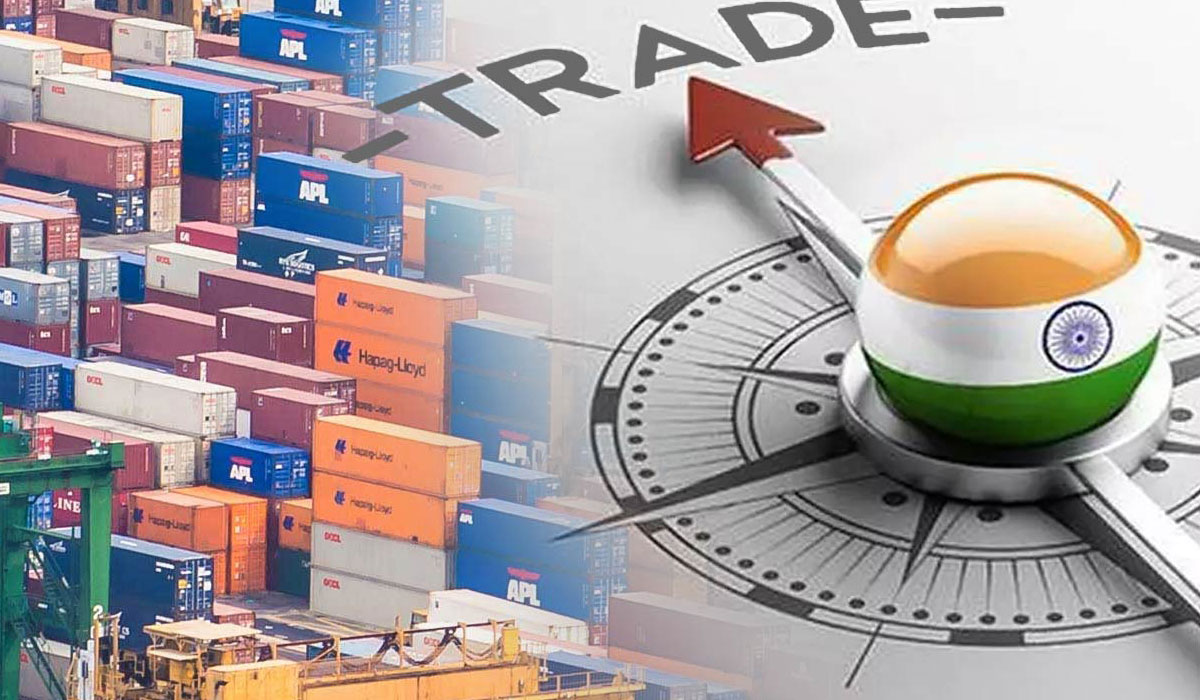
Dr. Kumar explained that in developing countries, tariffs typically serve two key purposes: protecting domestic industries and generating government revenue. While India did maintain high tariff rates in the 1980s, they began to decline significantly after the 1991 economic reforms and the Uruguay Round of trade negotiations, which laid the foundation for the World Trade Organization (WTO). Since then, India has pursued a steady path of tariff reduction across many sectors.
He clarified the distinction between two types of tariffs:
“Applied tariffs” – those actually collected at borders, and
“Bound tariffs” – the maximum limits allowed under WTO rules.
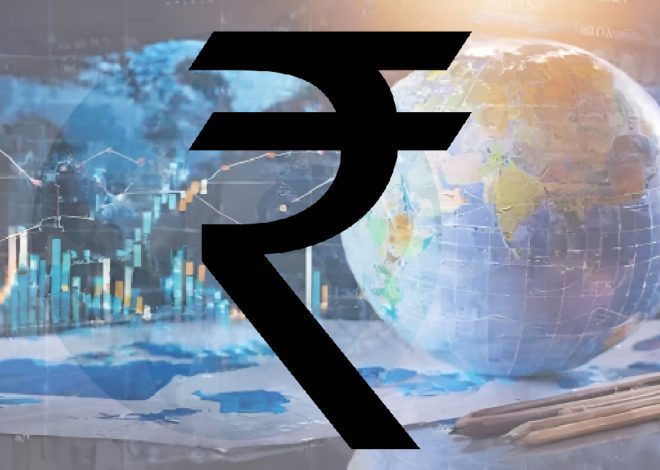
India's average applied tariff now stands at just 4.6%, a moderate rate—especially when compared to the 15.98% bound rate—and one that effectively disputes the label of India as a “tariff queen.”
Higher tariffs are maintained only in specific sectors, notably agriculture and automobiles, to safeguard livelihoods and protect key domestic industries. With nearly half of India’s population dependent on agriculture, much of which is characterized by small-scale operations and limited technology, tariff protection on items such as meat, dairy, grains, and fruits—which average around 33%—is seen as essential. These rates are often comparable to or lower than those in advanced economies like the EU (up to 261%), Japan (up to 298%), and South Korea (up to 800% on certain vegetables).
In contrast, tariffs on non-agricultural goods, particularly in sectors like electronics, computer parts, and semiconductors, are kept low, typically ranging between 0% and 10.9%—levels that are competitive with other Asian economies, including Vietnam, China, and Indonesia.
Dr. Kumar also noted that India’s overall tariff levels are aligned with other developing nations, citing examples such as Bangladesh (14.1%), Argentina (13.4%), and Türkiye (16.2%).
He concluded by describing India’s tariff policy as deliberate and strategic, aimed at balancing protection for sensitive sectors like agriculture, dairy, and automotive manufacturing, while fostering an open and growth-oriented trade environment that integrates India into the global economy.
About the Author