




From Chemicals to Green Hydrogen: India’s Investment Footprint Grows in Egypt
 Between January and July 2025, Indian companies invested approximately US$ 33 billion across global markets, averaging about US$ 4.7 billion each month. These investments are being channeled into greenfield ventures, brownfield expansions, and joint ventures with international partners, reflecting a strong outward investment trend.
According to data from the Department of Economic Affairs, Government of India, the primary destinations for these outbound investments were Singapore, Mauritius, the United States, the United Arab Emirates, the United Kingdom, and the Netherlands.
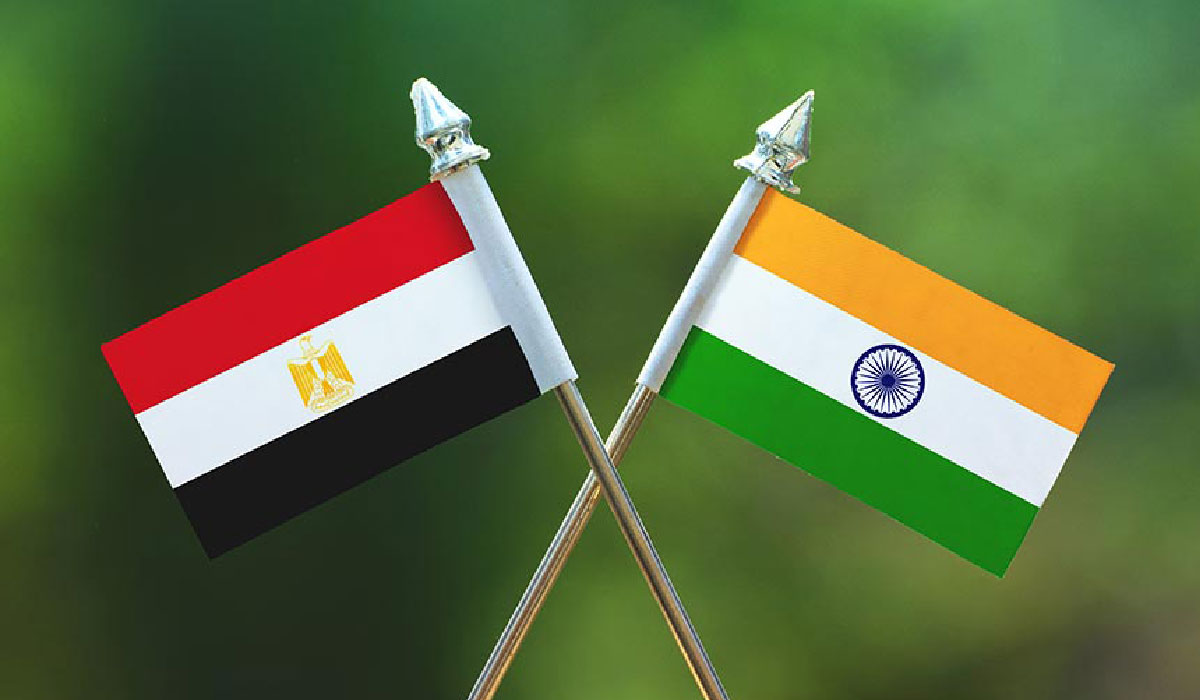
In Egypt alone, over 500 Indian firms are registered, with around 50 actively operating across various sectors. The cumulative Indian investment in Egypt surpasses US$ 4.5 billion. Key Indian players in the Egyptian market include TCI Sanmar (with an investment of US$ 1.6 billion), Alexandria Carbon Black, Dabur, Galaxy Chemicals, Egypt Global Silicates, Flex P Films, Misr Hytech Seeds, SCIB Paints, Britannia, Monginis, Embee Garments, and Velocity Jeans, among others.
According to the Embassy of India in Cairo, TCI Sanmar stands out as the largest manufacturing investment by any foreign company in Egypt, not just among Indian firms. It is also the leading producer of caustic soda across Africa and the Gulf region. Indian companies are actively involved in manufacturing across various sectors in Egypt, including apparel, agriculture, chemicals, energy, automobiles, retail, and more. Collectively, these companies provide employment—both direct and indirect—to around 48,000 Egyptians and contribute over US$ 1 billion in annual exports.
In the financial year 2024-25, four Indian companies entered the Egyptian market with combined investments totaling US$ 175 million. These include:
- Flex P. Films (packaging),
- ADBOS (FMCG manufacturing),
- EKC Cylinders, and
- Platinum Stabilisers (polymers).
A notable recent development is Willow Ferro, which became the first Indian company to invest in the Sinai region, specifically in the East Ismailia Free Zone under the SCZone. With a planned investment of US$ 75 million, the company will manufacture ferro silicon, ferro manganese, and silico manganese—contributing to import substitution worth an equivalent US$ 75 million annually for Egypt.
In the pharmaceutical sector, Indian firms have committed approximately US$ 100 million in investments toward the manufacture of oncology drugs, biosimilars, and medical instruments. Furthermore, two Indian companies are expected to invest around US$ 12 billion in the production of Green Hydrogen, marking a significant move into the renewable energy space.
India’s outbound investments have not only increased in value but also diversified geographically and sectorally. In FY 2024-25, outward investments rose by 75% to reach US$ 30 billion, signaling a broader strategic shift in India’s global investment patterns.
Egypt presents a strategic opportunity for Indian investors due to its skilled workforce, robust logistics infrastructure, cost-effective inputs, and preferential market access to over 70 countries through FTAs. It also benefits from a stable political and economic environment.
Indian businesses already operating in Egypt are positive about the country's investment climate and are planning further expansion. However, Egypt faces intense competition from GCC countries, which are also aggressively pursuing foreign investments in manufacturing. Stronger collaboration between New Delhi and Cairo, coupled with proactive outreach by Egyptian investment promotion agencies in India, could help attract greater Indian investment into Egypt.