




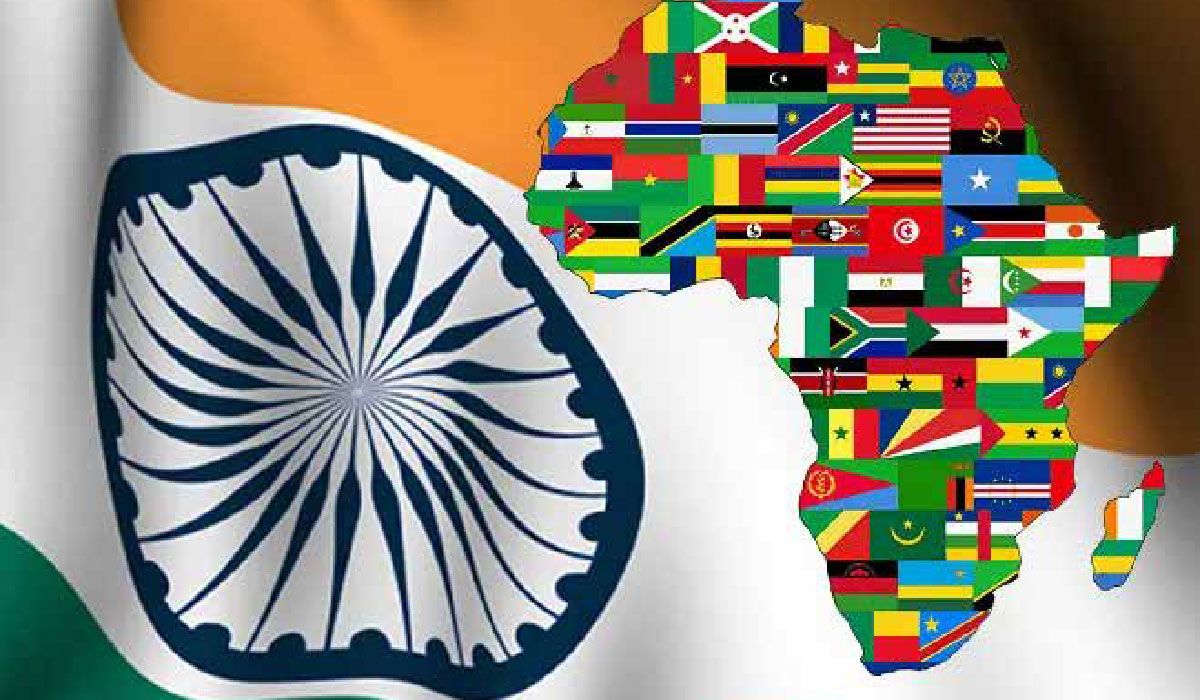
India and African Island Economies: Strengthening Trade and Economic Ties in 2025
India’s engagement with African island nations in the Western Indian Ocean — Mauritius, Seychelles, Madagascar, and Réunion — has grown significantly over the past decade, evolving into a partnership that goes beyond historical connections to embrace modern trade, finance, and investment. These partnerships are now focusing not just on increasing the flow of goods and services, but also on strengthening financial cooperation, including the innovative move to settle certain trade transactions in Indian rupees.
Mauritius: A Cornerstone of India-Africa Trade
Among these island nations, Mauritius remains India’s most important partner. The India-Mauritius Comprehensive Economic Cooperation and Partnership Agreement (CECPA) has opened new avenues for trade in goods and services, resulting in steady growth in bilateral exchanges. In 2024-25, trade between India and Mauritius exceeded ₹7,500 crore, with India exporting pharmaceuticals, textiles, and mineral fuels, while Mauritius exports a mix of sugar, jewelry, and financial services to India.
A major development in 2025 has been discussions between the two countries to conduct bilateral trade in local currencies — the Indian rupee and the Mauritian rupee. This initiative is aimed at reducing dependence on the US dollar, lowering transaction costs, and fostering deeper financial integration. Mauritius also continues to play a critical role as a gateway for foreign direct investment (FDI) into India, accounting for a significant portion of cumulative Indian FDI inflows over the years.
Seychelles: Expanding Economic Horizons
Trade with Seychelles, while smaller in volume, has been growing steadily. India exports medicines, consumer goods, and engineering products, while Seychelles sends spices, fish products, and niche commodities to India. In recent years, total bilateral trade has crossed the ₹100 crore mark, reflecting increasing engagement between private enterprises and government-led initiatives. Seychelles’ strategic location also positions it as a partner in broader regional economic projects in the Indian Ocean, promoting connectivity and cooperation.
Madagascar: Diversifying Trade and Investment
India’s trade relationship with Madagascar is gradually expanding, particularly in agriculture, textiles, and pharmaceuticals. Indian companies are also investing in Madagascar’s infrastructure, energy, and technology sectors, complementing bilateral trade flows. India extends preferential access to Madagascar under its Duty-Free Tariff Preference (DFTP) scheme, allowing Malagasy exports to enter the Indian market with reduced tariffs. This initiative supports economic growth in Madagascar while creating opportunities for Indian businesses in sectors such as mining, healthcare, and IT services.
Réunion: Strengthening Regional Economic Links
Though Réunion is a French overseas territory, its geographic and economic position in the Indian Ocean makes it an important partner in regional trade networks. India’s exports to Réunion include machinery, consumer goods, and food products, while imports from the island are modest but strategic, mainly involving specialty products and intermediate goods. Réunion’s inclusion in regional trade and investment networks helps facilitate broader economic links between India and the Indian Ocean islands.
Trade in Indian Rupees: A Step Toward Deeper Financial Integration
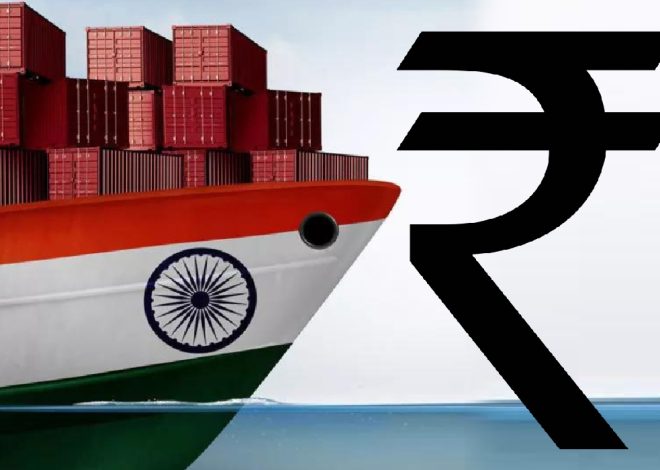
A notable feature of India’s trade strategy with these island nations is the increasing focus on settling transactions in Indian rupees. This approach, first initiated with Mauritius, aims to simplify trade settlements, reduce exposure to currency fluctuations, and reinforce India’s financial presence in the region. Over time, this mechanism could extend to other island economies, providing a stable and mutually beneficial framework for bilateral trade and investment.
Looking Ahead: A Path for Shared Growth
India’s partnerships with Mauritius, Seychelles, Madagascar, and Réunion illustrate the strategic importance of the Indian Ocean region in India’s global economic policy. By expanding trade, promoting investment, and exploring innovative financial mechanisms like rupee-based settlements, India is fostering sustainable and mutually beneficial growth. These island economies, while small individually, collectively represent a dynamic and strategically significant region, bridging India’s economic and diplomatic engagement with Africa.
As India continues to strengthen its ties with these nations, the combination of trade, investment, and financial cooperation is creating a resilient framework for economic growth, regional stability, and long-term prosperity for both India and its African partners.
About the Author