




India and Australia Sign MoU to Strengthen Food Safety Collaboration
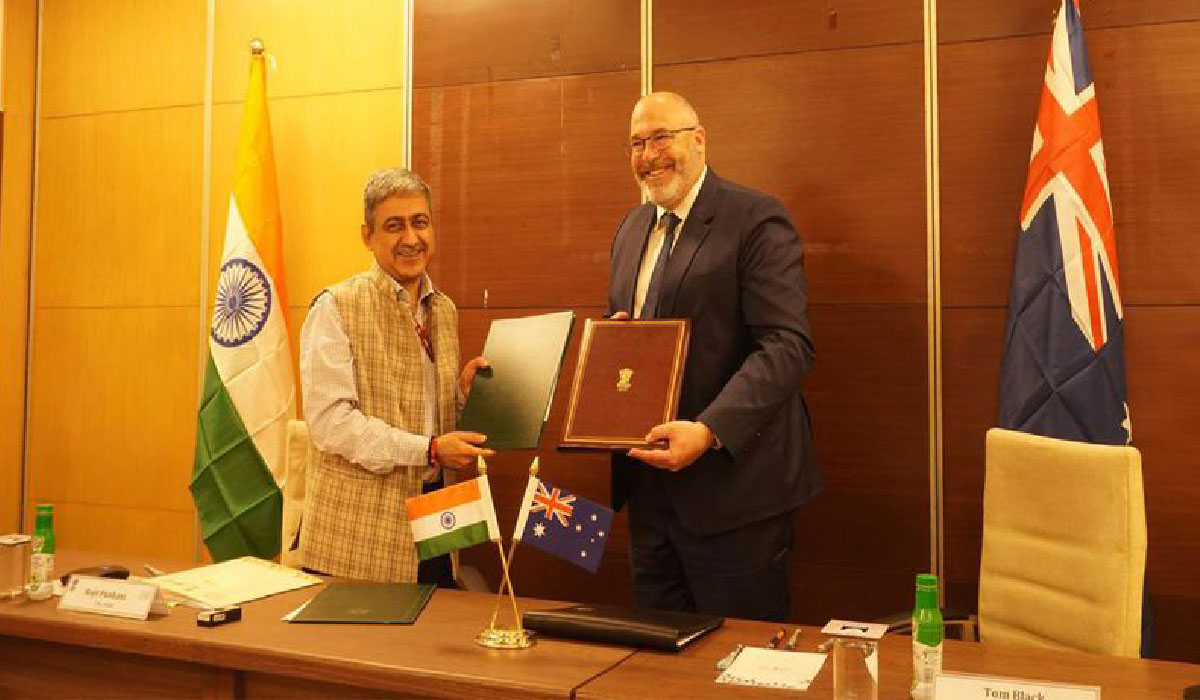
In a significant move to bolster international cooperation in food safety, the Food Safety and Standards Authority of India (FSSAI) and Australia’s Department of Agriculture, Fisheries and Forestry (DAFF) signed a Memorandum of Understanding (MoU) on Wednesday at the FSSAI headquarters in New Delhi.
The agreement was formalized by Rajit Punhani, CEO of FSSAI, and Tom Black, First Assistant Secretary of DAFF, marking a key milestone in the growing strategic partnership between India and Australia.
A Step Forward in Bilateral Cooperation
The MoU aims to deepen bilateral ties by facilitating the exchange of best practices, knowledge sharing, and technical collaboration in the field of food safety. A critical focus of the agreement is on aligning import procedures, strengthening regulatory frameworks, and promoting capacity-building initiatives that benefit both nations.
Officials from both sides expressed optimism about the long-term benefits of the collaboration. They emphasized that the agreement would not only help improve institutional linkages but also raise food safety standards in both countries.
Enhancing Consumer Protection and Trade
The partnership is poised to deliver tangible benefits to stakeholders across the food supply chain. By improving regulatory systems and fostering mutual understanding, the MoU will support safer food for consumers, promote efficiency in trade, and reduce potential barriers to food imports and exports between India and Australia.
The MoU is expected to encourage harmonization of standards, build trust between regulatory authorities, and support the development of more resilient and transparent food safety systems.
A Growing India–Australia Partnership
This agreement comes at a time of expanding economic and strategic cooperation between India and Australia. In recent years, the two nations have strengthened collaboration in sectors such as education, energy, agriculture, and now food safety.
As both countries continue to navigate global challenges related to food security and safety, this partnership underscores the importance of international collaboration in addressing shared concerns and improving public health outcomes.