




India and Nepal Power Up Cross-Border Energy Ties
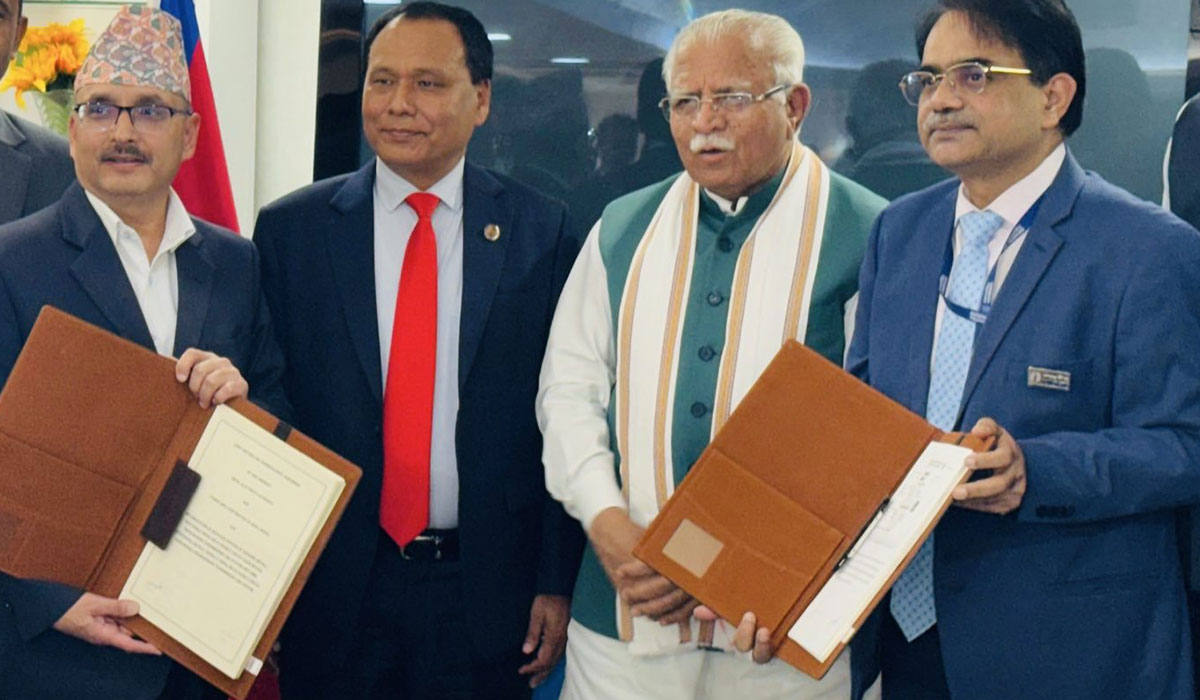
India and Nepal have taken another decisive step in strengthening their fast-growing energy partnership. The two neighbours signed agreements this week to build two major cross-border power transmission lines, marking a significant push toward deeper electricity trade and greater regional energy security.
The new projects — Inaruwa (Nepal)–New Purnea (India) and Lamki (Nepal)–Bareilly (India) — will operate as 400-kilovolt double-circuit transmission lines, designed to handle high-capacity electricity flow between the two nations. The agreements were inked by the Nepal Electricity Authority (NEA) and Power Grid Corporation of India Ltd (PGCIL), who will jointly develop and operate the lines through new joint venture companies.
A Milestone for Energy Cooperation
These transmission links are more than just infrastructure — they represent a key milestone in South Asia’s move toward a shared power market. As Nepal ramps up hydropower generation and India expands its clean energy grid, both countries see cross-border electricity trade as a win-win solution.
Energy experts believe the projects will help stabilize the regional power grid, allowing surplus electricity from Nepal’s rivers to flow into India’s growing market. This will also pave the way for Nepal to export power further afield, including to Bangladesh, through India’s transmission network.
Long-Term Vision
Construction of the new lines will take several years, with completion expected by 2030. Once operational, they will add crucial capacity to the existing power corridors linking the two countries. Both governments have agreed to coordinate on technical standards, investment models, and regulatory frameworks to ensure smooth implementation.
The agreements follow a series of successful energy deals in recent years — including Nepal’s ongoing electricity exports to India — that are helping transform the Himalayan nation from an energy importer into a regional power exporter.
Powering Regional Growth
Officials from both sides hailed the agreements as a symbol of their shared commitment to sustainable development and energy interdependence. “Our goal is not only to trade power but to build long-term energy security for the entire region,” one senior energy official noted.
For India and Nepal, these transmission lines are more than cables and towers — they are bridges of cooperation, lighting homes, fueling industries, and connecting two economies through the shared current of clean energy.