




India and UAE Strengthen Consular Cooperation at 6th JCCA Meeting in Abu Dhabi
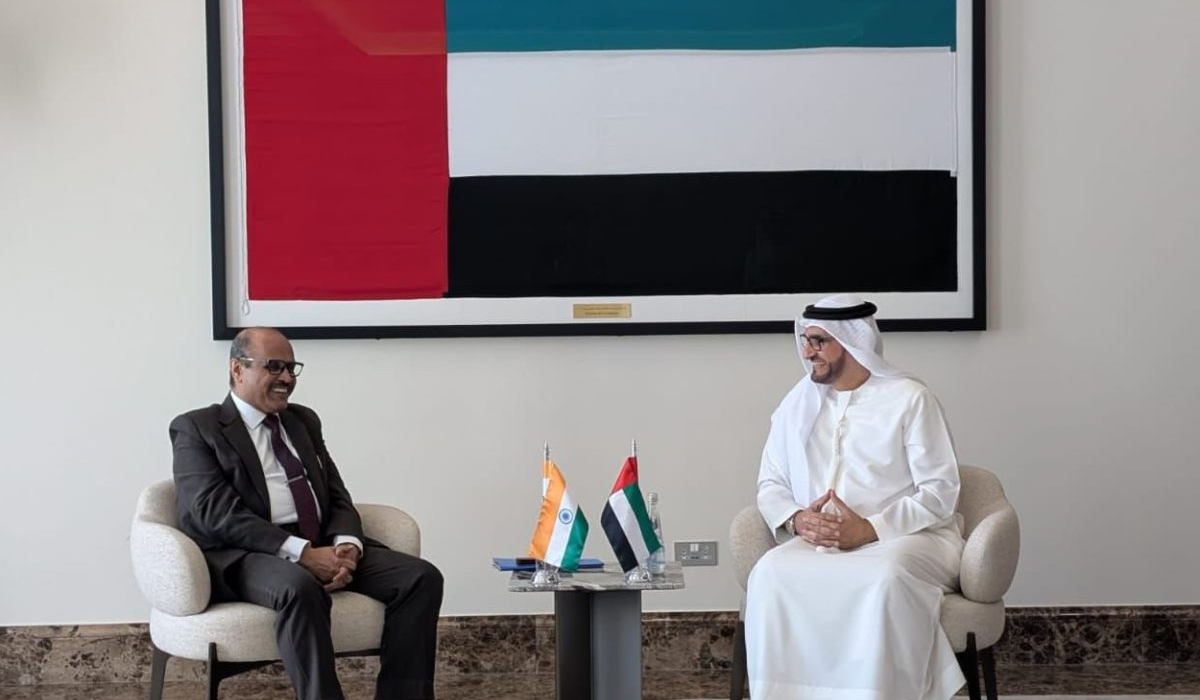
India and the United Arab Emirates deepened their consular collaboration during the sixth meeting of the India–UAE Joint Committee on Consular Affairs (JCCA), held at the UAE Ministry of Foreign Affairs headquarters in Abu Dhabi on Wednesday. The session highlighted the countries’ commitment to enhancing consular services, visa facilitation, and legal cooperation.
The Indian delegation was led by Arun Kumar Chatterjee, Secretary (Consular, Passport, Visa, and Overseas Indian Affairs), Ministry of External Affairs, while the UAE delegation was headed by Omar Obaid AlHesan AlShamsi, Undersecretary of the Ministry of Foreign Affairs. The high-level discussions followed detailed technical-level meetings to review ongoing initiatives and identify areas for closer cooperation.
Key Outcomes
The meeting focused on strengthening practical cooperation in several areas:
Consular Services: Enhancing information sharing and improving access to consular support for citizens of both countries.
Legal and Judicial Cooperation: Streamlining processes for mutual legal assistance and extradition to ensure efficient cross-border resolution of cases.
Visa Facilitation: Discussing liberalisation of visa policies to support professionals, tourists, and diaspora mobility.
Institutionalised Review Mechanism: Establishing a structured framework to monitor and sustain consular cooperation.
The delegations also exchanged best practices in consular management, reflecting a shared commitment to efficient, citizen-centric services.
Focus on People-to-People Ties
Both sides emphasised the welfare and protection of citizens residing abroad, particularly the large Indian expatriate community in the UAE. Indian officials expressed appreciation for the UAE’s continued support for Indian residents, while UAE representatives acknowledged the role of the Indian community as a bridge strengthening bilateral ties.
Strategic Context
This sixth JCCA meeting falls within the broader framework of the India–UAE strategic partnership, which spans trade, investment, mobility, and legal-judicial cooperation. By institutionalising consular collaboration and facilitating visas and legal assistance, both countries are creating more effective mechanisms to support their citizens and businesses.
The 7th JCCA meeting is expected to be held in India in 2026, further consolidating this collaborative framework.
Implications for Citizens
For travellers, professionals, and diaspora communities, the meeting could lead to:
Easier Travel: Streamlined visa procedures and potential policy liberalisations.
Improved Support: Faster consular services and clearer legal assistance mechanisms.
Sustained Cooperation: Long-term, institutionalised frameworks to ensure continued collaboration.
Conclusion
The sixth India–UAE JCCA meeting demonstrates how consular diplomacy is evolving into a strategic pillar of bilateral relations. With enhanced cooperation in visas, legal support, and citizen services, India and the UAE are reinforcing their partnership while ensuring practical benefits for citizens and communities in both countries.