India – Fiji: A Tribute to Shared History, Respect, and Dynamic Cooperation
The relationship between India and Fiji is a tribute to shared history, respect, and dynamic cooperation in the blue Pacific, where turquoise waves meet varied civilizations. This connection, which has its roots in the Indian diaspora's history and is supported by high-level diplomatic interactions, has developed into a complex partnership encompassing trade, economic, and cultural exchange. The relationship between Suva and New Delhi is expected to grow stronger in the future as India's strategic outreach and Fiji's Indian-origin populace continue to influence this partnership.
A history shaped by migration
The history of India-Fiji relations began in 1879 when the first Indian labourers under the British indenture system arrived on Fijian soil. Over the next forty years, around 60,553 Indians were transferred to work on sugarcane estates, laying the foundation for a flourishing Indian diaspora. Despite facing hardships, these workers—known as Girmitiyas—contributed to Fiji's cultural fabric.
Around the turn of the 20th century, Indian traders joined the diaspora, further cementing ties. Approximately 300,000 people of Indian heritage and 2,300 Indian nationals, or 37% of Fiji's population, act as a vital bridge between the two nations today.
Even before Fiji attained independence in 1970, the diplomatic journey began when India created a Commissioner's post in 1948 to safeguard the interests of its diaspora. This evolved into a High Commission following independence, and Fiji established its own High Commission in New Delhi in 2004. Despite challenges like the closure of India's High Commission and Cultural Centre following the 1987 coups, both nations have persisted in strengthening their ties, reopening these institutions in 1999 and 2005, respectively.
Milestones achieved through diplomacy
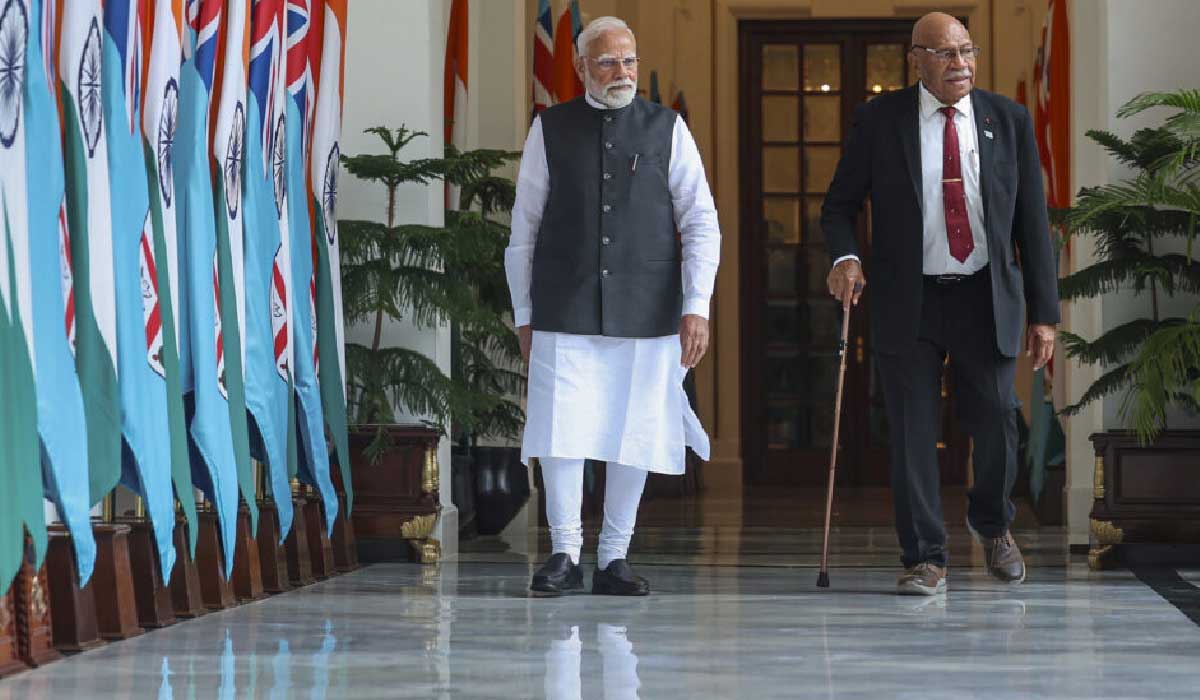
The first Forum for India-Pacific Islands Cooperation (FIPIC) Summit was held during this visit, which strengthened India's ties to the Pacific. A new era of collaboration was marked by the signing of three Memorandums of Understanding (MoUs) that included diplomatic training, land distribution for diplomatic missions, and a co-generation plant backed by a Line of Credit.
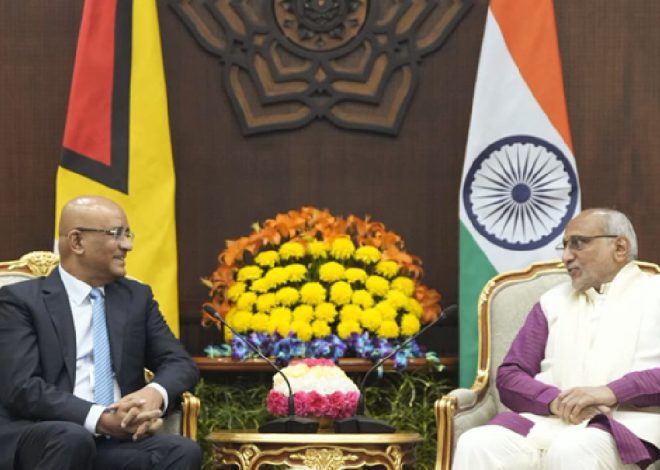
In February 2025, Dr. Jaishankar paid a visit to Fiji’s Prime Minister Sitiveni Rabuka on the sidelines of the Munich Security Conference, reaffirming the commitment to deepen bilateral ties. This was followed by Minister of State for External Affairs Pabitra Margherita’s visit to Fiji in May 2025 as the Guest of Honour at the Girmit Day Commemoration. The visit saw the signing of MoU recognizing the Indian Pharmacopoeia, a significant step in enhancing healthcare cooperation.
A Foundational Aspect of Development Collaboration
India has been one of Fiji's most important development partners, helping with its nation-building initiatives in a number of vital areas. India has made revolutionary contributions to infrastructure and capacity building. India's dedication to Fiji's sustainable development is demonstrated by the State House solarization project, the cogeneration plant, and healthcare and educational efforts. Reopened in 2005, Suva's Indian Cultural Centre promotes cultural interchange by providing yoga, Hindi, and Indian classical arts workshops and encouraging interpersonal relationships.
Building capacity has been a key component of this collaboration. India has trained Fijian professionals in a variety of sectors, from public administration to information technology, through initiatives like the Indian Technical and Economic Cooperation (ITEC). These connections are further strengthened via scholarships for higher education in India, which provide chances and skills to Fiji's youth.
Cultural and Interpersonal Relationships
Interestingly, Fiji’s Indian diaspora is not just adds to the demographic presence but it also constitutes a vibrant force that plays a huge role in shaping nation’s identity. The celebration of Girmit Day in Fiji stands as a reminder of shared struggles and victories. In an attempt to pay tribute to the age-old legacy, the Fijian government renovated the Girmit Gallery in Suva that narrates the story of India’s contribution to its nation. Fiji's multicultural fabric is further enhanced by occasions such as the World Hindi Conference and the presence of Indian experts in industries including IT, banking, education, healthcare, and hospitality.
The relationship between India and Fiji is expected to strengthen as they negotiate the challenges of the twenty-first century. Fiji's goals for sustainable development and regional cooperation are in line with India's vision for the Indo-Pacific, which is expressed through programs like FIPIC. A strengthening of confidence is indicated by the Visa Waiver Agreement and healthcare partnerships, while cultural exchanges continue to unite people throughout the Pacific.
A magnificent tapestry of friendship has been created between India and Fiji from the 19th-century sugarcane fields to the current diplomatic meetings. This relationship is poised to become a shining example of collaboration in the Indo-Pacific region and beyond thanks to similar values, respect for one another, and a dedication to advancement.