
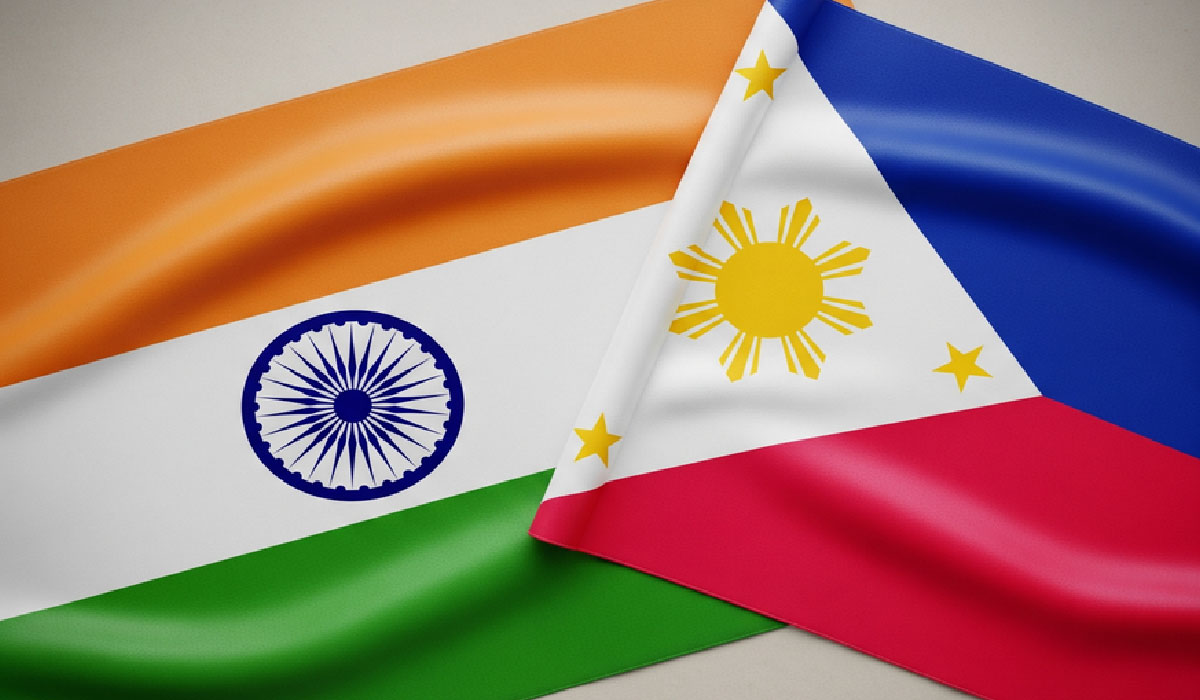
India-Philippines Relations Strengthened by Shared Values, Cultural Ties, and Diaspora
The relationship between India and the Philippines has grown steadily over the past several decades, rooted in shared democratic values, mutual respect, and a rich cultural connection. While strategic and economic cooperation have played a key role in shaping bilateral ties, it is the people-to-people connection—particularly through cultural affinity and the Indian diaspora—that continues to serve as a strong pillar of this enduring partnership.
Historical and Cultural Connections
Though geographically distant, India and the Philippines share deep historical and cultural linkages that date back over a millennium. Ancient trade routes facilitated the exchange of goods, ideas, and spiritual philosophies between India and Southeast Asia, including the Philippines. Indian cultural influence is evident in Filipino language, folklore, religious practices, and even political traditions. Words of Sanskrit origin have made their way into Filipino languages, and Indian epics like the Ramayana have been adapted in traditional Filipino performances.
This long-standing civilizational contact laid the groundwork for modern-day cultural diplomacy. India’s Look East and Act East policies, which emphasize closer relations with Southeast Asia, have helped revive interest in these historical ties, while the Philippines continues to recognize India’s cultural imprint on its heritage.
The Indian Diaspora: A Bridge Between Nations
A significant factor in strengthening India-Philippines relations is the presence of a growing and vibrant Indian diaspora in the Philippines. The community, estimated at over 150,000, includes professionals, businesspeople, students, and long-term residents who have integrated into Filipino society while also maintaining strong ties to their Indian heritage.
Indian professionals, particularly in the fields of medicine, education, and IT, have contributed meaningfully to the Philippine economy. Indian students, especially those pursuing medical degrees in universities across the archipelago, represent an important dimension of educational cooperation between the two countries.
The Indian diaspora plays a crucial role in cultural exchange, often organizing festivals like Diwali, Holi, and Navratri that are celebrated not just within the community but increasingly with local Filipino participation. These celebrations offer opportunities for cross-cultural understanding and promote inclusivity and friendship at the grassroots level.
Shared Democratic Values and Political Convergence
Both India and the Philippines are vibrant democracies with constitutions that uphold the rule of law, civil liberties, and representative governance. This shared commitment to democratic norms provides a strong foundation for political dialogue and mutual support in multilateral forums.
As members of the Association of Southeast Asian Nations (ASEAN) Regional Forum and the East Asia Summit, the two countries regularly engage in discussions on regional security, maritime cooperation, and sustainable development. India’s Indo-Pacific strategy aligns closely with the Philippines’ vision of a free and open Indo-Pacific, enhancing convergence on strategic issues.
In recent years, there has been a noticeable uptick in high-level exchanges and bilateral visits, underlining the importance both nations place on this partnership. Regular interactions between foreign ministers, defense officials, and heads of state reinforce the strategic trust and shared worldview that characterize this relationship.
Economic Engagement and Development Cooperation
While cultural and political ties remain strong, economic cooperation is also gaining momentum. Bilateral trade has grown significantly, with sectors such as pharmaceuticals, information technology, engineering goods, and agriculture leading the way. India’s exports of affordable generic medicines have been particularly valuable to the Philippine healthcare system.
The two countries are also exploring investment opportunities in areas like infrastructure, renewable energy, and digital technology. Indian companies have expressed growing interest in the Philippines as a gateway to the ASEAN market, while Philippine businesses are increasingly looking toward India for trade and technology collaboration.
Development cooperation has also emerged as a meaningful area of engagement. India’s extension of Lines of Credit, capacity-building programs under the Indian Technical and Economic Cooperation (ITEC) program, and support for digital initiatives align with the Philippines’ development priorities.
Educational Ties: A Growing Dimension of Cooperation
Education continues to be a vibrant and expanding pillar of India-Philippines relations. As of 2025, over 8,800 Indian students are enrolled in various academic institutions across the Philippines, with the majority pursuing degrees in medicine, pharmacy, and other health sciences. The Philippines has become a preferred destination for Indian students due to its globally recognized medical education system, English-medium instruction, and affordable tuition fees. This educational migration not only strengthens people-to-people ties but also contributes to the local economy and academic diversity. In return, India offers capacity-building programs and scholarships to Filipino students and professionals through initiatives like the Indian Technical and Economic Cooperation (ITEC) program. As both countries prioritize innovation, digital learning, and academic mobility, educational cooperation is poised to play an increasingly strategic role in their bilateral partnership.
Maritime Cooperation and Regional Security
Given their shared interest in a stable and rules-based maritime order, India and the Philippines have enhanced their cooperation in defense and maritime security. Both countries support the principles of freedom of navigation, peaceful resolution of disputes, and respect for international law—particularly the United Nations Convention on the Law of the Sea (UNCLOS).
Joint naval exercises, port visits, and defense dialogues have become more frequent, reflecting mutual concern over security challenges in the Indo-Pacific region. The strategic dimension of India-Philippines relations is likely to expand further as both nations continue to confront shared threats such as piracy, terrorism, and illegal fishing.
Looking Ahead: A People-Centric Partnership
As India and the Philippines deepen their strategic engagement, the human dimension of their relationship remains central. Cultural exchanges, tourism, academic collaboration, and youth engagement continue to enrich the bilateral partnership. Initiatives such as scholarship programs, student exchange, and arts and literature festivals foster greater mutual understanding and promote soft power diplomacy.
In a world facing rising geopolitical tensions, climate crises, and economic uncertainty, the India-Philippines relationship serves as a model of how shared values and cultural empathy can form the bedrock of strong international partnerships. The enduring bonds between the peoples of India and the Philippines—built on respect, friendship, and cooperation—will continue to guide their relationship into the future.