


India Rebuilds Bridges with Afghanistan Amid Strategic Realignment
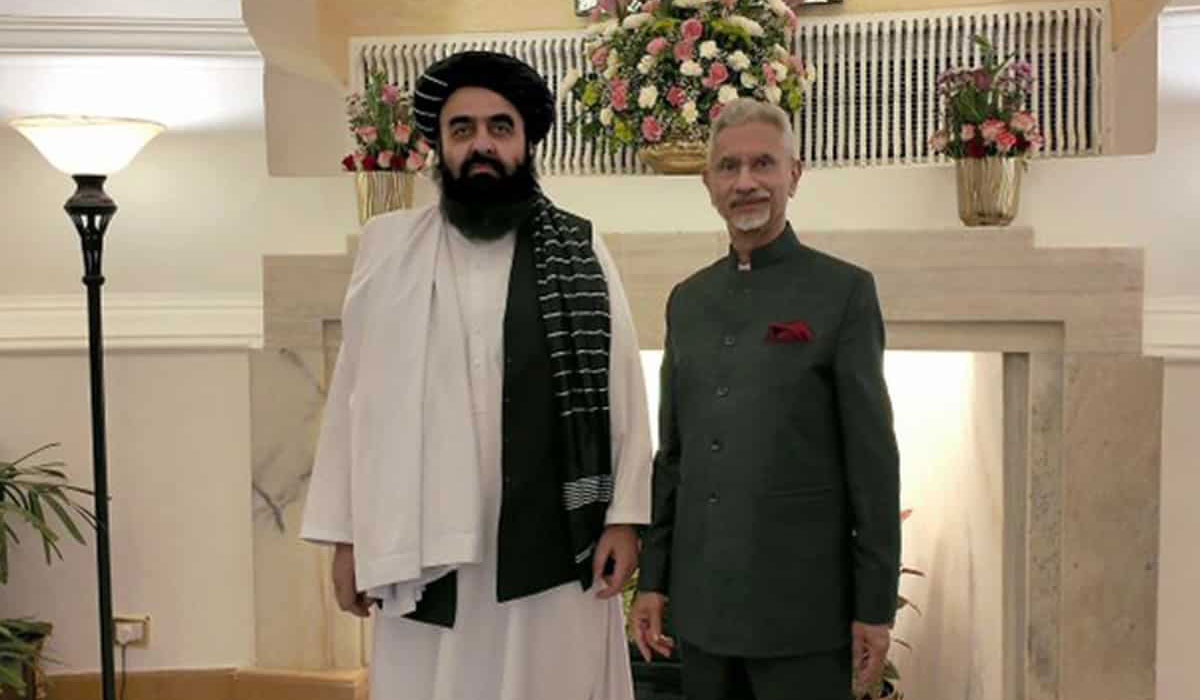
In a significant diplomatic turn, India has reopened direct dialogue with Afghanistan’s Taliban-led interim government. The visit of Afghan Foreign Minister Amir Khan Muttaqi to New Delhi this October has signaled a potential new phase in bilateral engagement — one centered on humanitarian cooperation, development, and regional stability.
This marks Muttaqi’s first official visit to India since the Taliban regained control of Kabul in 2021. After receiving a travel exemption from the UN Security Council, the Afghan minister arrived in Delhi for a four-day tour packed with high-level meetings, including talks with External Affairs Minister Dr. S. Jaishankar and National Security Advisor Ajit Doval.
A Diplomatic Reset
One of the most crucial outcomes of the visit is India’s decision to upgrade its technical mission in Kabul to a full-fledged embassy, restoring its diplomatic presence in Afghanistan. The move is being seen as India’s attempt to resume development work and maintain influence in a geopolitically sensitive region.
India had closed its embassy in Kabul during the 2021 crisis but has continued to support the Afghan people through humanitarian aid. The embassy upgrade reflects both strategic necessity and India’s willingness to engage with Afghanistan’s de facto rulers without extending formal recognition.
Shared Interests and Development Goals
During the meetings, both sides reportedly discussed cooperation in sectors such as trade, mining, infrastructure, and humanitarian relief. Afghanistan invited Indian companies to invest in its vast mineral reserves — a proposal welcomed by New Delhi as a mutually beneficial opportunity.
India has already provided emergency relief following a recent earthquake in Afghanistan, with aid reaching the affected provinces via airlift and through Iran’s Chabahar Port. These efforts underscore India’s continuing humanitarian outreach despite political uncertainties.
Security: A Core Concern
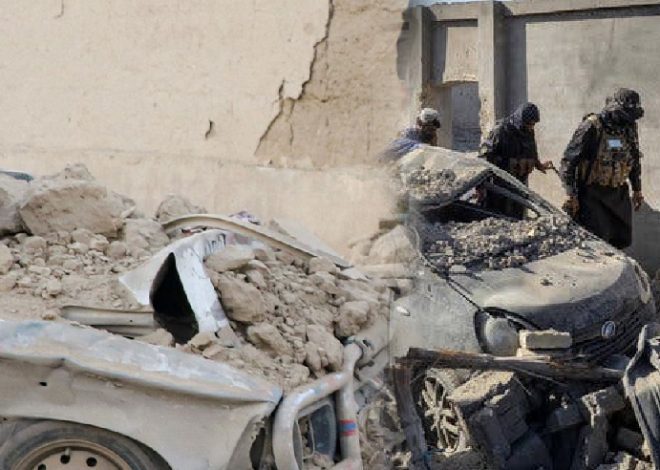
Security cooperation also featured prominently in the talks. India reiterated the importance of preventing Afghan territory from being used for terrorism — a key concern given its own national security priorities. The joint effort to maintain peace in the region is expected to be part of ongoing strategic dialogue.
Regional Impact and Future Outlook
India’s renewed engagement with Afghanistan has drawn attention across the region. Pakistan, in particular, has voiced objections to language used in recent joint statements between India and Afghanistan, especially concerning terrorism and Jammu & Kashmir.
Still, India appears determined to take a pragmatic route — balancing diplomatic caution with active engagement. By reestablishing its embassy and expanding cooperation, New Delhi is sending a message: India wants to be a constructive partner in Afghanistan’s future, without compromising on its core interests.
Conclusion
Amid evolving geopolitical realities, India’s outreach to the Taliban regime reflects a strategic shift — one that blends realpolitik with humanitarian intent. As both nations cautiously move forward, the success of this renewed engagement will depend on how effectively it can translate dialogue into concrete progress for regional peace and prosperity.