




India’s Defence Modernisation Drive: Rising Budgets, Real Capabilities
India’s defence transformation has entered a pivotal phase. While the Union Budget 2026–27 marks a significant rise in defence spending, the true benchmark of success lies not in allocation size alone, but in the tangible enhancement of combat capability, jointness, and strategic reach. In an era defined by rapid technological change and shifting regional security dynamics, India’s modernisation push is increasingly focused on outcomes over optics.
A Record Defence Outlay in Budget 2026–27
The Union Budget 2026–27 sets aside one of the highest-ever allocations for defence, reinforcing national security as a central policy priority. A substantial portion of this increase is directed toward capital expenditure—funds earmarked for new platforms, advanced systems, and force modernisation rather than routine salaries and maintenance.
This rise in capital allocation reflects a strategic shift. India is not merely sustaining its forces; it is investing in next-generation capabilities—advanced aircraft, naval assets, missile systems, space-based surveillance, and network-centric warfare platforms. However, higher spending must translate into faster procurement cycles, timely project execution, and operational integration to truly strengthen deterrence.
Indigenisation at the Core: iDEX and Defence Innovation
A major pillar of India’s modernisation strategy is self-reliance. The Innovations for Defence Excellence (iDEX) initiative has emerged as a bridge between the armed forces and India’s growing startup ecosystem. By funding cutting-edge technologies—such as artificial intelligence, autonomous systems, cyber tools, and advanced materials—iDEX reduces import dependence while accelerating indigenous innovation.
This approach complements broader indigenisation policies that prioritise domestic procurement under positive indigenisation lists. The long-term objective is not only strategic autonomy but also the creation of a resilient defence-industrial base capable of supporting sustained military operations.
Human Capital Reform: The Agnipath Scheme
Modernisation is not limited to hardware. The Agnipath Scheme represents a structural shift in military recruitment. By introducing short-term service for young recruits, the scheme aims to create a younger, leaner, and more technologically adaptable force profile.
Beyond reducing long-term pension burdens, Agnipath seeks to inject fresh skills into the services, especially in domains such as cyber operations, drones, and emerging battlefield technologies. While debate continues over its long-term implications, the reform underscores the government’s focus on sustainability and agility in force management.
Naval Modernisation and Project 17A
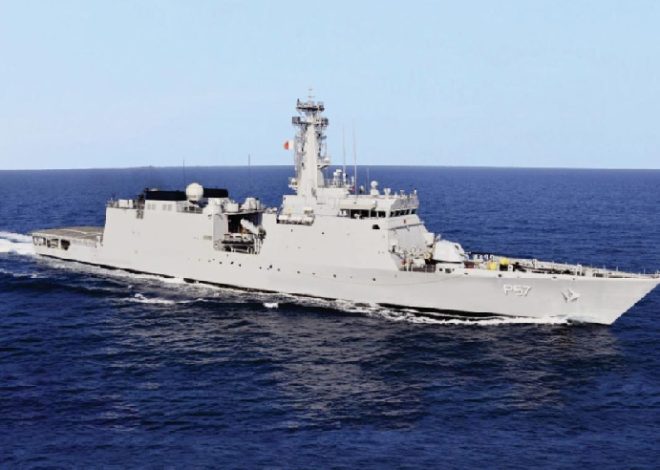
India’s maritime strategy is central to its defence posture, particularly in the strategically vital Indian Ocean Region (IOR). The Project 17A programme—focused on constructing advanced stealth frigates—demonstrates India’s expanding shipbuilding capability.
These frigates are equipped with improved stealth features, advanced radar systems, and modern weapon suites. Built in Indian shipyards, they exemplify the synergy between capability enhancement and domestic manufacturing. Strengthening naval power in the IOR ensures secure sea lanes, credible deterrence, and the ability to respond swiftly to emerging threats.
Lessons from Operation Sindoor
Operational experience often drives reform. Operation Sindoor underscored the importance of precision, speed, and multi-domain coordination in modern conflict scenarios. The operation highlighted strengths in India’s strike capabilities while also revealing areas needing improvement—particularly in drone warfare coordination, real-time intelligence sharing, and integrated command structures.
Such lessons are shaping ongoing doctrinal changes and pushing the armed forces toward deeper jointness and technology integration.
Integrated Air Defence: IACCS
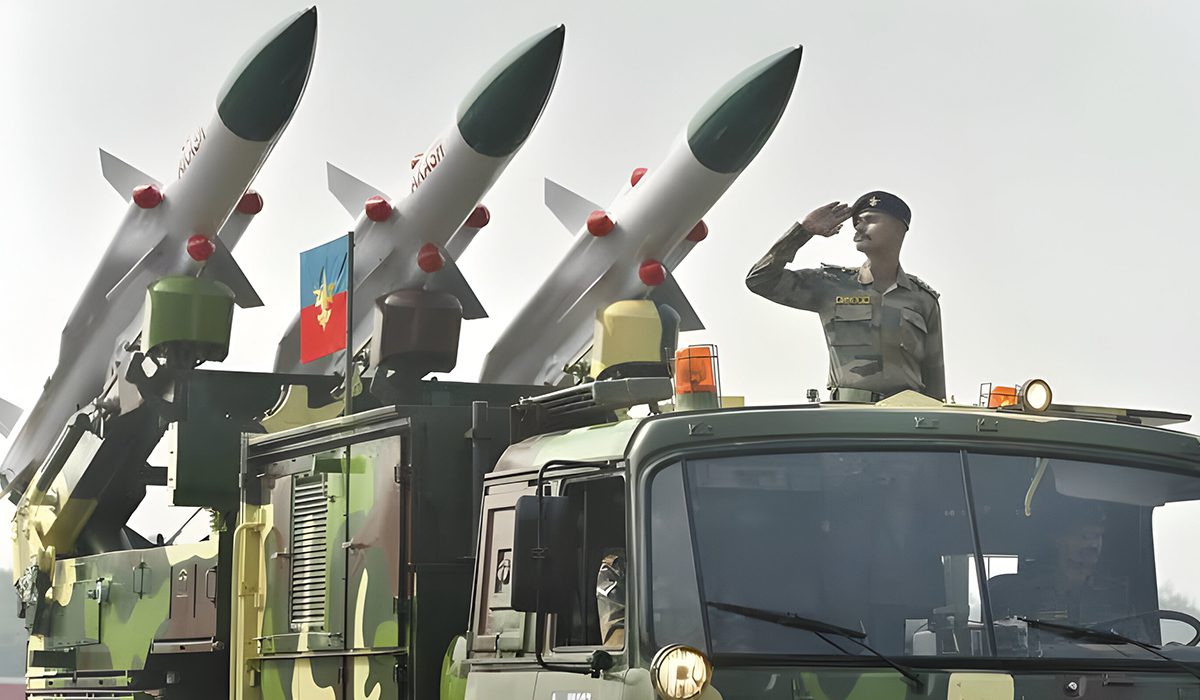
Airspace management and real-time coordination have become critical in modern warfare. The Integrated Air Command and Control System (IACCS) is designed to network India’s air defence assets—linking radars, sensors, and response systems across the country.
By providing a unified air picture and enabling rapid decision-making, IACCS strengthens India’s ability to counter aerial threats, including drones, missiles, and hostile aircraft. Its expansion reflects a broader shift toward network-centric warfare and integrated theatre operations.
Strategic Focus: The Indian Ocean Region
The Indian Ocean Region remains a key theatre of geopolitical competition. As global powers expand their naval presence, India’s modernisation drive is closely tied to securing maritime interests, protecting trade routes, and strengthening partnerships with friendly nations.
Enhanced surveillance systems, maritime patrol aircraft, advanced frigates, and undersea capabilities collectively reinforce India’s role as a net security provider in the region. Defence spending increases are therefore not just about land borders—they are equally about projecting stability across the wider Indo-Pacific.
Beyond Spending: The Capability Imperative
While the rise in defence spending in Budget 2026–27 signals strong political commitment, the real challenge lies in converting allocations into operational advantage. Efficient procurement, technological absorption, doctrinal reform, and inter-service synergy will determine whether India’s military transformation achieves its intended goals.
India’s defence modernisation drive is thus defined by a simple but powerful principle: budgets matter, but capabilities matter more. As the country navigates complex regional and global security environments, the emphasis on readiness, self-reliance, and technological superiority will shape its strategic trajectory in the years ahead.