




India’s Developing Economy and the Expanding Role of Rupee-Based Trade
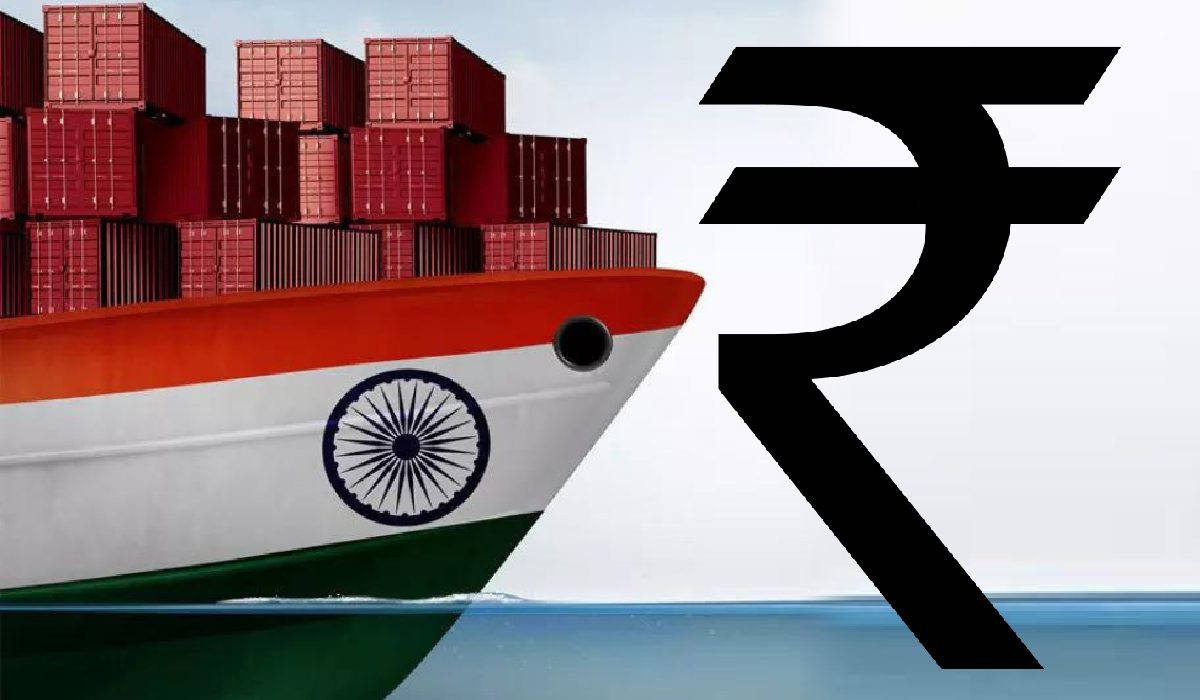
India’s emergence as a major global economy is increasingly defined by resilience, reform, and strategic financial innovation. As one of the fastest-growing large economies, India has combined strong domestic demand, policy stability, and digital transformation to strengthen its position in global trade. A significant dimension of this evolution is India’s growing emphasis on settling international trade in Indian rupees, supported by regulatory guidance from the Reserve Bank of India (RBI) and active participation from the banking sector.
Economic Strengths Driving Confidence
India’s development trajectory rests on a large and youthful population, expanding manufacturing capacity, and rising integration with global value chains. Structural reforms in taxation, insolvency resolution, and infrastructure financing have enhanced productivity and improved the ease of doing business. These factors have not only boosted exports but also reinforced confidence in India’s financial systems, creating the conditions necessary for broader acceptance of the rupee in cross-border trade.
RBI’s Framework for Rupee-Based Trade
Recognizing the need to reduce dependence on foreign currencies and enhance trade resilience, the Reserve Bank of India has issued clear instructions enabling international trade settlement in Indian rupees. Under RBI guidelines, authorized dealer (AD) banks are permitted to open Special Rupee Vostro Accounts of correspondent banks from partner countries. These accounts facilitate invoicing, payment, and settlement of exports and imports directly in rupees.
The RBI framework ensures that rupee trade operates within India’s existing foreign exchange management system while maintaining transparency, compliance, and financial stability. Exporters are paid in rupees, while importers settle payments through the same mechanism, reducing exposure to exchange rate volatility and global currency disruptions. Importantly, the RBI has emphasized that such arrangements must adhere to standard trade documentation, anti-money laundering norms, and prudential banking regulations.
Role of Banks in Export–Import Operations
Banks play a central role in implementing rupee-based trade. Indian banks, as authorized dealers, act as intermediaries between exporters, importers, and foreign correspondent banks. They manage trade finance instruments such as letters of credit, bank guarantees, export credit, and bill discounting, ensuring that transactions remain secure and efficient.
With rupee settlement, banks also help exporters manage working capital more effectively, as payments are received in domestic currency without conversion delays. For importers, banks provide clarity on costs and reduce dependency on volatile foreign exchange markets. Indian banks are increasingly upgrading their trade finance systems and compliance frameworks to support this evolving trade architecture.
Impact on Exporters, Importers, and Partner Economies
For Indian exporters, rupee-based trade enhances competitiveness by lowering transaction costs and simplifying payment processes. Small and medium enterprises (SMEs), in particular, benefit from reduced exposure to currency risks and easier access to trade finance. Importers gain from predictable pricing and improved liquidity management.
For partner countries especially developing economies in Asia, Africa, and the Indian Ocean region rupee trade provides access to a stable settlement mechanism and strengthens bilateral financial cooperation. It also encourages the use of Indian banking channels and deepens long-term trade relationships.
Strategic and Global Implications
India’s rupee-based trade initiative reflects a broader strategic objective of strengthening economic sovereignty and financial resilience. While the rupee is not positioned to replace global reserve currencies, its growing use in regional trade signals confidence in India’s macroeconomic stability and regulatory framework. Over time, this approach can contribute to a more diversified and balanced global financial system.
Conclusion
India’s developing economy is entering a phase marked by strategic financial leadership and institutional maturity. Supported by RBI’s regulatory clarity and the proactive role of banks, rupee-based trade is emerging as a practical and forward-looking instrument for global commerce. As India expands its trade partnerships and financial infrastructure, the use of the rupee in international trade will continue to reinforce India’s role as a reliable, stable, and influential participant in the global economy.
About The Author