


Nepal in the Geo-political Trap: MCC, SPP, and the ‘Pro-Nepal’ Diplomatic Roadmap for the Balen Government
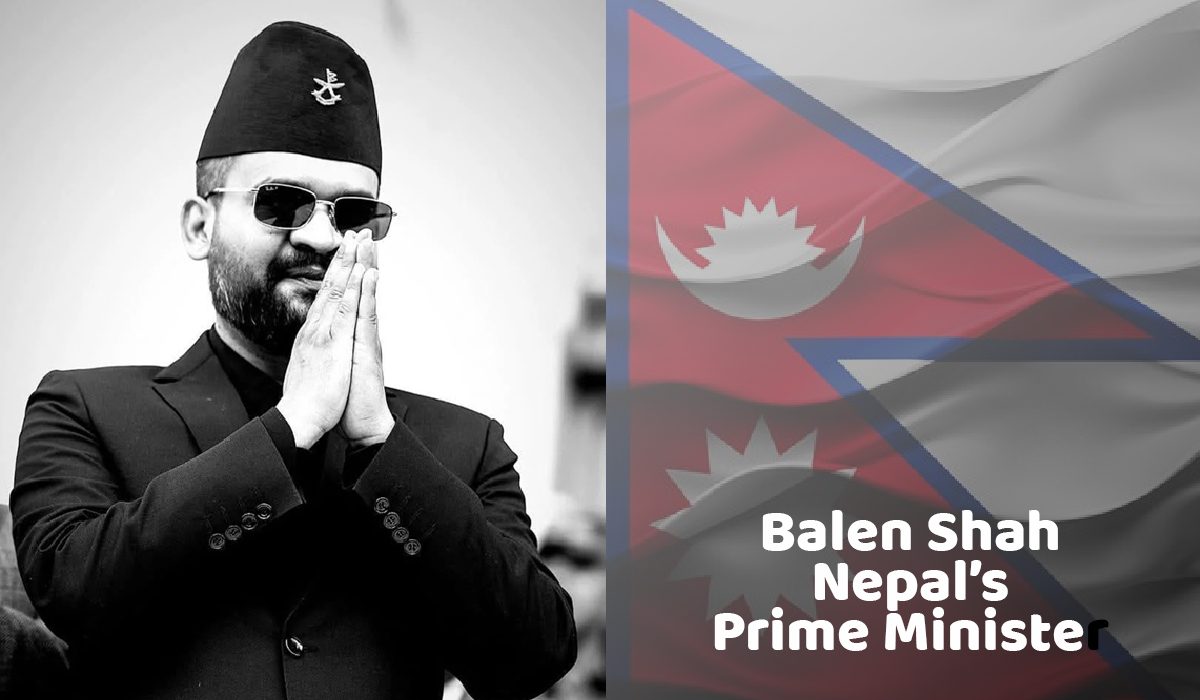
The Rashtriya Swatantrata Party’s historic victory in the elections of March 2026 (B.S. 2082/83) has marked a new era in Nepali politics. RSP’s Balendra Shah’s win over K.P Sharma Oli of Communist Party symbolises people’s rejection of old political regime in the country. The 2026 election verdict in Nepal appears more of a democratic expression than the earlier elite-driven elections. It is for the first time in history that Nepal held a multiparty election today to select its leader. However, the new ruling party faces additional obstacles, specifically a situation where the strategic demands of international powers collide with internal calls for change. The new government, headed by Balen Shah's Rastriya Swatantra Party (RSP), must balance protecting Nepal's sovereignty against the US, China, and India's strategic manoeuvres with fulfilling the public's demands for growth.
To cite an instance the ruling government must head to complete the MCC (The Millennium Challenge Corporation (MCC) project in Nepal, a US-backed $500 million grant complemented by $197 million from the Nepalese government, officially entered its implementation phase on August 30, 2023) project on time in order to avoid being caught in a political quagmire while remaining vigilant against any hidden military dimensions, such as those potentially linked with the State Partnership Program (SPP).
Even though foreign aid stands mandatory to the infrastructural development, the Nepali diplomacy must strike a careful balance: it should secure foreign assistance for development without compromising the country’s historic Non-Aligned Foreign Policy.
The administration needs to show that it can firmly say "No" to pressure from abroad about military or security partnerships. Accepting aid must not equate to surrender; it should signal Nepal’s emergence as a confident partner, not a dependent beneficiary. For decades, Nepal has nurtured a culture of dependency on foreign aid, weakening national self-respect. The current leadership must redefine foreign assistance—not as charity, but as strategic investment.
Key Strategic Approaches for Nepal’s Future:
1. Creating an Investment-Friendly Environment:
Nepal should adopt a three-way economic model: American technology, Chinese infrastructure, and access to the Indian market. This approach would position Nepal as a hub for innovation, connectivity, and trade.
2. Intellectual Property and IT Export:
Nepal has the potential to become a global “Digital Hub.” By encouraging American and Chinese tech firms to establish research centers in Nepal, the country can attract investment, generate revenue, and transform from a “beggar” to a strategic economic partner.
Nepal must avoid becoming a pawn in the intensifying strategic rivalry among the US, China, and India. Its success will depend on identifying and leveraging the common interests of all three powers:
• India (Energy and Market Diplomacy): While working to resolve border disputes diplomatically, Nepal should emphasize “Triangular Energy Trade,” channelling Nepali electricity to Bangladesh via India.
• China (Grants and Connectivity): Nepal should prioritize BRI projects that emphasize grants or concessional investments rather than high-interest debt. Key projects like the Kerung-Kathmandu railway and northern border modernization will diversify Nepal’s trade routes.
• United States (Soft Power and Technology): Relations with the US should extend beyond MCC, focusing on climate change initiatives like the Green Fund and the transfer of technology to fuel sustainable growth.
For the RSP government, diplomacy must not be about appeasing foreign powers—it should be about safeguarding Nepal’s national interest. The leadership must position itself as a skilled negotiator: reassuring China while advancing MCC, and simultaneously ensuring India and the US do not perceive Nepal’s initiatives as threats.
Elections may be won through loud nationalist rhetoric, but governing requires intellectual and balanced diplomacy. True victory for Nepal lies in achieving economic prosperity while avoiding entanglement in military strategies. The “Bell of Change” (Ghanti) should now resonate as a symbol not only of political transformation but also of Nepal’s dignity and self-respect on the global stage.
About The Author