




Philippines President Applauds India’s Growing Defence Presence and BrahMos Initiative
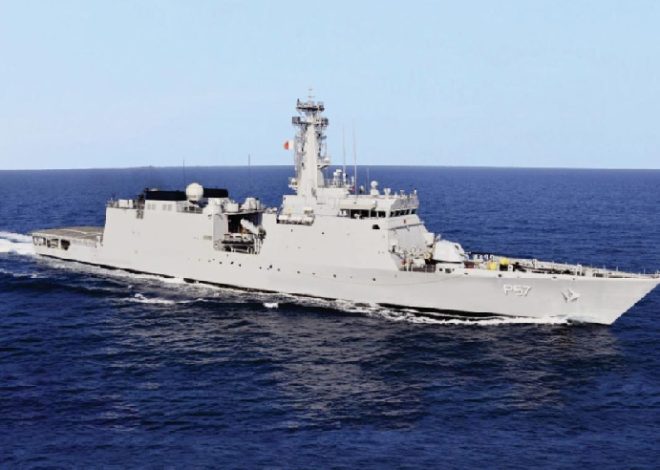
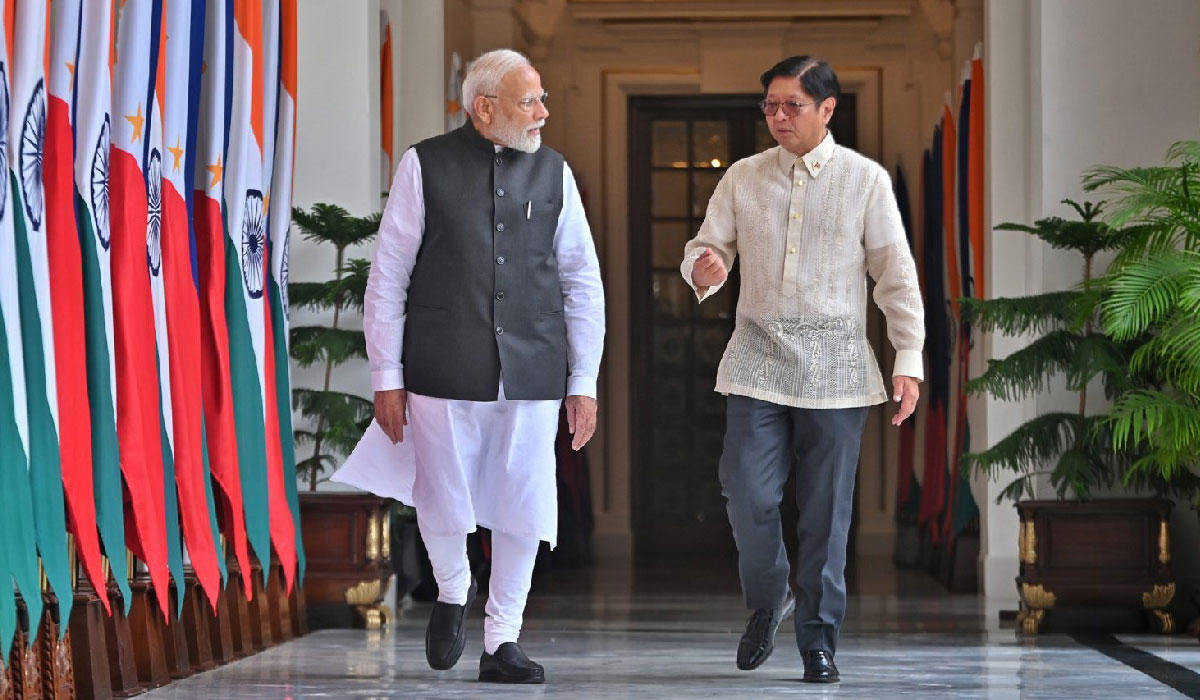
Philippine President Ferdinand “Bongbong” Marcos Jr. has lauded India’s expanding defence footprint in the Indo-Pacific, highlighting the strategic importance of the BrahMos missile system project between the two countries. Speaking at a high-level defence forum in Manila on Tuesday, President Marcos emphasized the value of deepening bilateral security cooperation amid evolving regional challenges.
Describing India as a “reliable and forward-looking defence partner,” President Marcos praised New Delhi’s growing engagement in Southeast Asia and its commitment to regional peace, stability, and defence modernization.
“India’s role in the Indo-Pacific is increasingly vital. As a nation committed to peace and regional stability, its collaboration with the Philippines is both timely and significant,” he stated.
BrahMos: A Symbol of Strategic Trust
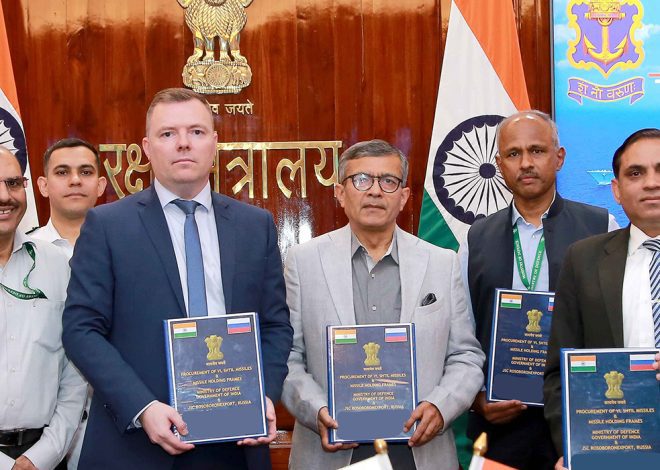
At the heart of the India-Philippines defence partnership lies the BrahMos supersonic cruise missile system, jointly developed by India and Russia. In January 2022, the Philippines signed a $375 million agreement with India for the purchase of the missile system—marking India’s first major defence export in Southeast Asia.
Over the past three years, the deal has progressed steadily, with the initial batch of missiles and launchers delivered in mid-2025. The Armed Forces of the Philippines (AFP), in collaboration with Indian defence personnel, have begun operational deployment and training to integrate the system into the country’s coastal defence network.
President Marcos described the BrahMos project as “a landmark in the Philippines’ military modernization,” and praised India’s swift and transparent handling of the agreement.
“This project strengthens our defence capabilities and symbolizes the growing mutual trust between our two nations,” he said.
Broader Indo-Pacific Alignment
The defence partnership comes at a time of heightened maritime tensions in the South China Sea. Both India and the Philippines advocate for a free, open, and rules-based Indo-Pacific, with respect for international law, including the United Nations Convention on the Law of the Sea (UNCLOS).
India’s Act East Policy and the Philippines’ strategic focus on regional maritime security have created natural alignment in recent years. The two countries have increased bilateral dialogues, naval exchanges, and participation in multilateral defence forums such as the ASEAN Defence Ministers’ Meeting Plus (ADMM-Plus).
President Marcos acknowledged India’s expanding influence in regional security matters, noting that both nations share “common values, strategic interests, and a vision for regional cooperation that is grounded in mutual respect.”
Expanding Defence Collaboration
Looking beyond the BrahMos deal, India and the Philippines are now exploring broader avenues of cooperation. These include joint military training, cybersecurity, intelligence sharing, defence technology transfer, and maritime domain awareness.
India’s Defence Research and Development Organisation (DRDO) and private Indian defence firms have shown interest in co-developing systems tailored to Philippine needs. Officials have also discussed the potential for joint ventures in maintenance, repair, and overhaul (MRO) facilities to support long-term sustainability of defence equipment.
“This is just the beginning,” said a senior Philippine defence official. “India’s growing defence industry offers the kind of affordable, high-quality solutions that suit our modernization needs—and the political will to make them work.”
Strategic Outlook
As India positions itself as a responsible security partner in the Indo-Pacific, the Philippines continues to emerge as a key collaborator in the region. The praise from President Marcos signals Manila’s recognition of India’s increasing relevance—not just as a supplier of defence hardware, but as a strategic ally capable of contributing to regional stability.
India’s expanding role is further reinforced by its rising defence exports, engagement in multilateral exercises, and principled diplomacy in regional disputes.
Conclusion
The endorsement by President Marcos on August 5, 2025, underscores the growing importance of India-Philippines defence ties in a rapidly evolving Indo-Pacific landscape. With the successful delivery and deployment of the BrahMos system, both countries are charting a path toward deeper strategic collaboration grounded in mutual interests and shared democratic values.
As the geopolitical stakes rise in the region, India and the Philippines appear well-positioned to build a resilient, forward-looking defence partnership that serves as a pillar of peace and deterrence in Southeast Asia.