




Solar Capacity in India Grows by 4,000%, Spotlight on Supply Chain Resilience
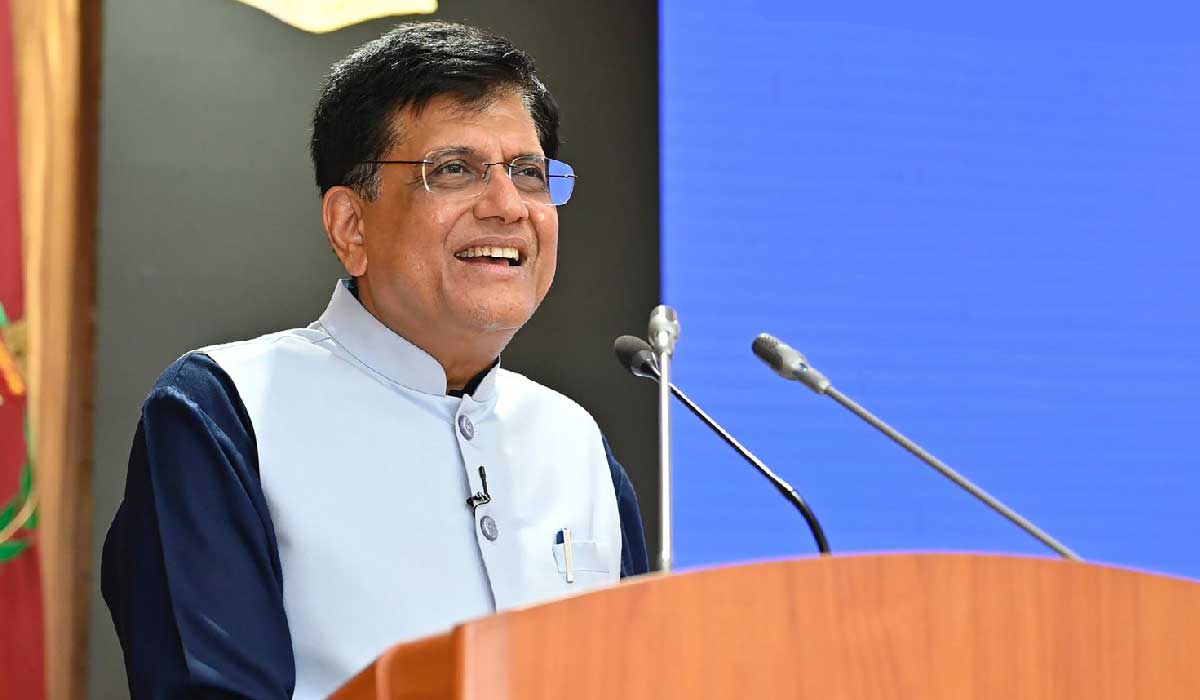
Over the last ten years, India’s solar capacity has surged by an extraordinary 4,000%, boosting the nation’s total renewable energy capacity to 227 GW. Speaking at the 11th India Energy Storage Week (IESW) in the capital on Thursday, Union Commerce and Industry Minister Piyush Goyal stated that India could become the first G20 country to meet its Nationally Determined Contributions under the Paris Agreement.
Goyal highlighted Palli village in Jammu and Kashmir as India’s first carbon-neutral panchayat, achieved through solar energy and efficiency initiatives. He also noted that the IESW venue, Yashobhoomi, is a model of sustainability, featuring rooftop solar panels, wastewater treatment, and energy-efficient design.
Highlighting India’s major push in clean energy manufacturing, the minister stated that solar photovoltaic module capacity has increased nearly 38 times, and photovoltaic cell capacity has grown 21 times over the past decade. He pointed to flagship programs such as the PM Surya Ghar Yojana, targeting rooftop solar installation in one crore homes, and the PM Kusum Yojana, which promotes solar pump usage in agriculture. Additionally, the Production Linked Incentive (PLI) scheme for Advanced Chemistry Cells is set to further strengthen domestic manufacturing, he added.
Goyal emphasized that energy storage is vital for India’s strategy to fulfill future energy demands with renewable sources. He noted that technologies like batteries, pumped storage, hydro storage, and nuclear power will be essential to provide continuous, clean energy around the clock.
Goyal outlined a four-pronged approach to accelerate India’s clean energy goals, emphasizing innovation, infrastructure growth, supply chain resilience, and an integrated value chain as top priorities. He stressed the need for India to take the lead in research and development of next-generation battery technologies, such as solid-state and hybrid storage, while fostering circular supply chains.
He mentioned the recent Cabinet approval of a ₹1 lakh crore Research, Development, and Innovation Fund, which is expected to enable India to rival the R&D investment levels of advanced economies, leveraging its cost advantages.
Goyal called on industry stakeholders to intensify efforts in developing charging and battery-swapping infrastructure to speed up electric vehicle adoption. He also highlighted the importance of reducing reliance on a few geographic sources for raw materials and components by investing in robust supply chains and innovative technologies.
Reaffirming India’s target of reaching 500 GW of renewable energy capacity by 2030, he emphasized that this ambition must encompass the entire clean energy value chain—from raw materials and cell manufacturing to battery packs, semiconductors, management systems, and recycling.
“Guaranteeing energy security for our citizens is both a priority and a duty,” Goyal said, citing Prime Minister Narendra Modi.
The India Energy Storage Week convenes global policymakers, researchers, and industry leaders to explore innovations and collaborations that will advance India’s energy transition. The event also provides a platform to highlight emerging technologies, skill development programs, and policy frameworks supporting the nation’s climate objectives.