Thailand’s Prime Minister, Former Cambodian Chief Inspect Disputed Border Region Amid Heightened Tensions
On Thursday, Thailand’s prime minister and Cambodia’s influential former leader visited separate areas along their contested border, as tensions over the territorial dispute continue to rise and the Thai government faces growing political instability.
The deterioration of relations was sparked by brief armed clashes in a border area late last month that left one Cambodian soldier dead.
This was followed by a series of retaliatory actions from both sides, including military deployments, Cambodia halting all fuel and gas imports from Thailand, and partial checkpoint closures by Thai authorities along their 817 km (508-mile) shared border.
The border conflict has intensified the challenges confronting Thai Prime Minister Paetongtarn Shinawatra, who is struggling to revive a weakening economy while trying to hold together a fragile coalition amid mounting protests and an impending no-confidence vote in parliament.
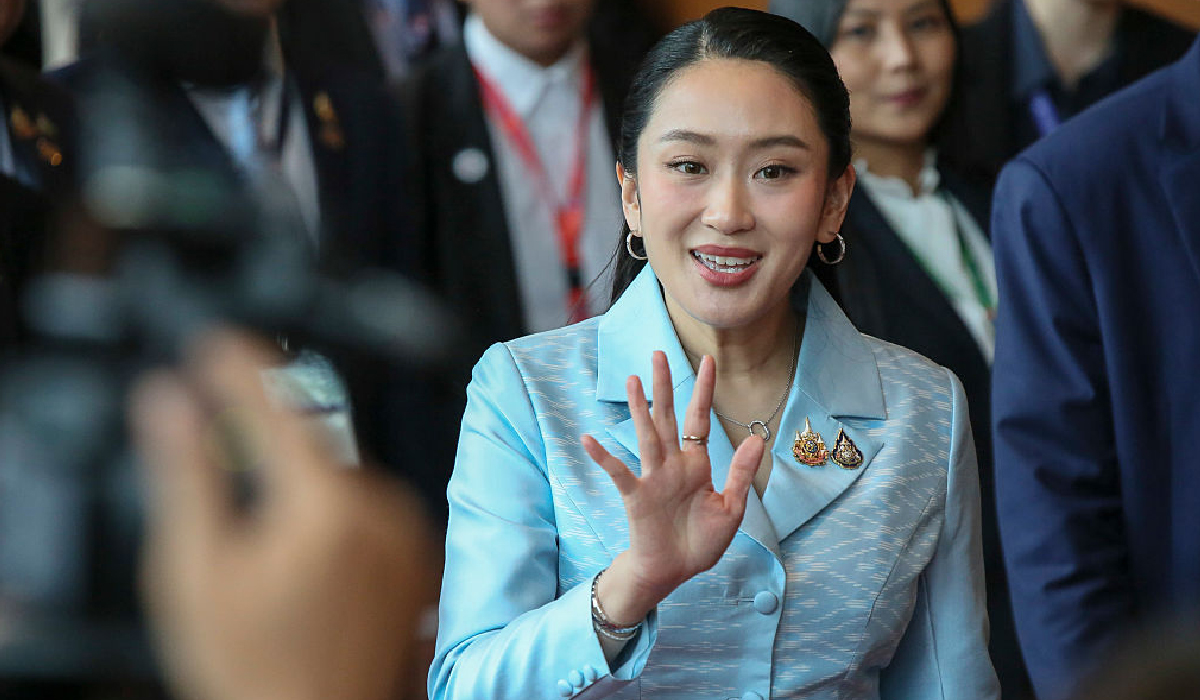
Upon her arrival Thursday morning in the Thai border town of Aranyaprathet in Sa Kaeo province, across from Cambodia’s Poipet, Prime Minister Paetongtarn was welcomed by a crowd of supporters—some holding a large banner that read, “Love You Prime Minister Paetongtarn.”
The Prime Minister stated that her visit aimed to assess the ongoing crackdown on transnational crime and evaluate the effects of recent border restrictions, which included Thailand’s suspension of all vehicle, tourist, and trader crossings into Cambodia via land checkpoints.
“We want to see the impact from this policy and what the government can do to help, this is our main goal for the visit today,” Paetongtarn said in a meeting with officials.
The Thai Prime Minister earlier this week linked the proliferation of illegal online scam centres to Cambodia, but Cambodian authorities have denied involvement.
Human rights group Amnesty International on Thursday accused Cambodia’s government of “deliberately ignoring” abuses by cybercrime gangs who have trafficked people from across the world, including children, into slavery at brutal scam compounds.
Amnesty said in a report that it had identified 53 scam centres and dozens more suspected sites across the country, including in the capital Phnom Penh.
A Cambodian government spokesman said the country rejected allegations of inaction.