



Tourism – India’s New Economic Frontier
Indeed, tourism is emerging as a strategic pillar of India’s economic growth, employment generation, foreign exchange strength and global soft power.
As India expands its influence in global economic and diplomatic arenas, tourism is increasingly being recognised not merely as a leisure sector but as a strategic economic frontier capable of transforming regional development, strengthening international engagement and generating large-scale employment.
Tourism: A Sector Moving into India’s Strategic Policy Core
In the evolving narrative of India’s economic rise, tourism is gaining prominence as one of the most dynamic yet underutilised engines of growth. Traditionally seen as a cultural or recreational activity, tourism is now entering the strategic mainstream of economic policy. Governments, development planners and economists increasingly recognise that tourism sits at the intersection of infrastructure development, employment generation, foreign exchange earnings and geopolitical outreach.
India’s current moment in global affairs reinforces this shift. As one of the fastest-growing major economies and a key participant in international economic forums, the country is redefining how sectors like tourism contribute to both domestic development and international influence.
Few nations possess the diversity that India offers within a single national geography.
When supported by coordinated policy reforms, infrastructure investment and sustainable destination planning, tourism can become a central pillar of India’s long-term economic architecture. Its historical heritage, spiritual traditions, biodiversity and cultural pluralism create a tourism ecosystem with immense global appeal.
Projections suggest that India’s travel and tourism sector could contribute nearly ₹42 trillion to the national economy by 2035, positioning it among the most powerful drivers of future growth.
This transformation signals a larger reality: tourism is no longer peripheral to economic strategy; it is becoming a national asset.
Tourism: Expanding Role in India’s Economic Transformation
Tourism today functions as a high-multiplier sector that influences multiple industries simultaneously. Aviation, hospitality, transport, handicrafts, agriculture, retail and digital services all benefit from tourism-led demand.
In recent years, the sector has demonstrated remarkable resilience and recovery. Indian travellers spent approximately ₹15.5 trillion on domestic tourism, highlighting the sector’s expanding economic footprint. Tourism contributed roughly 5.22 percent to India’s GDP, supported by a strong rebound in domestic travel as domestic tourism has become a stabilising force within the industry.
However, its true potential lies in the sector’s long-term trajectory.
With sustained investment and reforms, tourism could evolve into a trillion-dollar economic opportunity within the next decade.
Policy discussions emerging from institutions such as NITI Aayog increasingly recognise tourism as a catalyst for balanced regional growth. Unlike traditional industrial expansion that concentrates economic benefits in select urban centres, tourism distributes opportunity across states, districts and rural communities.
This makes tourism particularly relevant for a country as geographically and socially diverse as India.
Tourism is one of the few sectors capable of simultaneously generating employment, strengthening diplomacy and promoting inclusive economic growth.
Tourism: A Massive Employment Engine for India
The most compelling case for prioritising tourism lies in its extraordinary employment potential.
Currently, tourism supports nearly 48 million jobs in India, and projections suggest employment could rise to over 64 million by 2035, creating approximately 16 million new jobs over the coming decade.
Unlike capital-intensive sectors, tourism generates jobs across multiple skill levels and economic categories. From hotel management and aviation services to local guiding, handicrafts, cultural performances and transport services, tourism creates livelihoods at scale.
This employment expansion is particularly important in rural and semi-urban regions.
Tourism provides a pathway to shift labour from low-productivity agricultural activities into higher-income service-based roles. Homestays, eco-tourism, village tourism and cultural tourism initiatives are gradually transforming local economies into micro-enterprise ecosystems linked to global travel networks.
Women are emerging as key participants in this transformation. Across several states, women-led enterprises in homestays, handicrafts, wellness tourism and culinary tourism are strengthening local economic resilience while advancing gender-inclusive development.
Tourism, therefore, contributes not only to economic growth but also to social transformation.
Tourism: A Foreign Exchange Stabiliser
India’s foreign exchange earnings from tourism reached approximately USD 35.016 billion, underscoring the sector’s significance in supporting the country’s balance of payments.
International visitor arrivals have also shown a strong recovery, approaching 10 million tourists annually. Major source markets include the United States, Bangladesh, and the United Kingdom.
Inbound tourism plays a critical role in strengthening India’s external economic position. Economists often describe tourism receipts as “invisible exports” because they bring foreign currency directly into domestic service sectors.
India’s competitive advantage lies in its diversity of tourism segments:
• Spiritual and wellness tourism
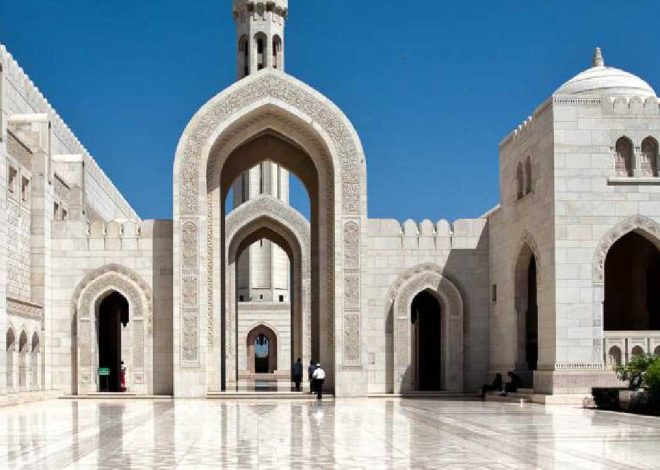
• Heritage and cultural tourism
• Medical value travel
• Culinary tourism
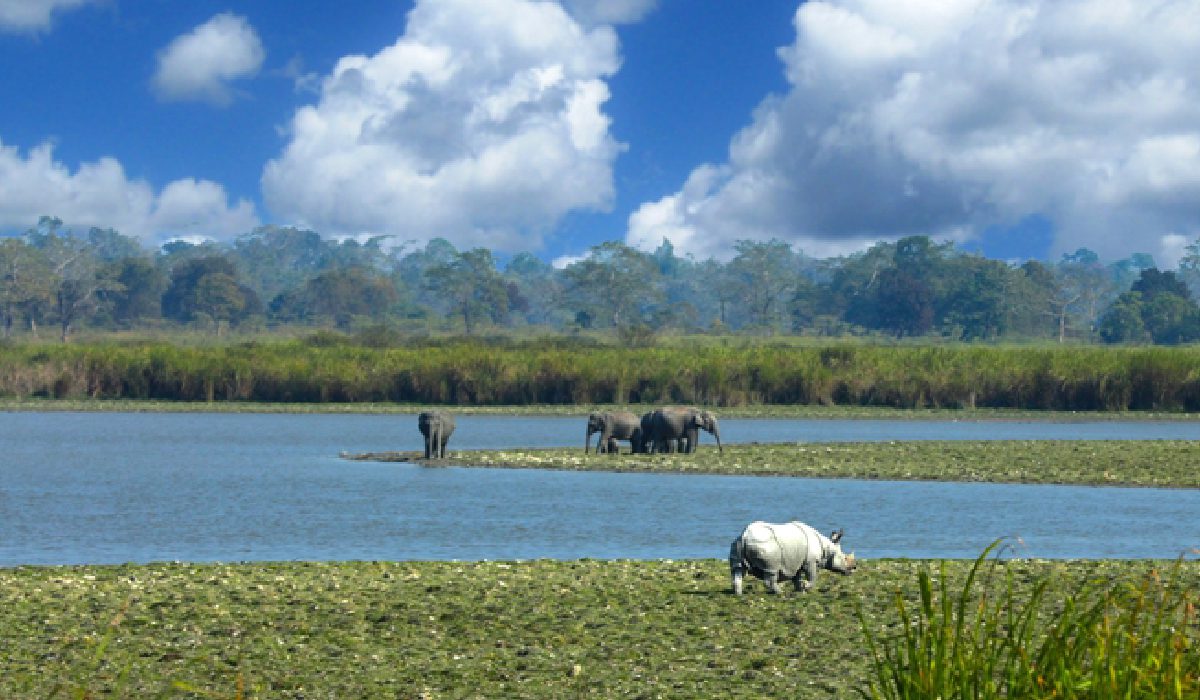
• Wildlife and eco-tourism
These segments align well with evolving global travel preferences that prioritise authenticity, sustainability and experiential travel.
Tourism: Leading through Transformation
India’s tourism strategy is increasingly shifting from promotional campaigns to capacity creation and infrastructure expansion.
Government initiatives have funded tourism infrastructure development across several states, intending to build globally competitive destinations. Investments in airports, highways, railways, and urban amenities are reshaping accessibility to tourism regions.
Aviation expansion remains one of the most transformative developments. The long-term national plan aims to increase operational airports from around 157 today to nearly 400 by 2047, dramatically improving regional connectivity.
Rail modernisation is also playing a critical role. The introduction of modern train systems, including semi-high-speed services, is reducing travel time between major tourism hubs and enabling multi-destination tourism circuits.
Together, these developments are integrating tourism with national infrastructure planning.
Tourism: An Instrument of Soft Power
Tourism is increasingly recognised as an important instrument of cultural diplomacy and global engagement.
International visitors who travel across India encounter a civilisation defined by diversity, history, spirituality, and creativity. Such experiences shape perceptions of India in ways that traditional diplomacy cannot achieve alone.
Tourism contributes directly to:
• People-to-people diplomacy
• Global cultural outreach
• International brand positioning
• Long-term geopolitical engagement
The impact of tourism as a diplomatic tool became particularly visible during India’s global engagements in recent years, where international events held across multiple cities showcased regional culture and heritage to global leaders.
Tourism development also carries strategic significance in frontier regions. Investments in tourism infrastructure in border and remote areas support economic activity while strengthening regional integration and visibility.
Emerging Tourism Segments: Defining the Future
Several emerging segments are expected to drive India’s tourism expansion over the next decade.
Wellness Tourism
Global demand for holistic health and mindfulness experiences is increasing rapidly. India’s traditional wellness systems position the country as a natural leader in this space.
Medical Value Travel
India’s healthcare infrastructure, combined with cost advantages, has made the country a preferred destination for international medical travellers.
Rural and Experiential Tourism
Modern travellers increasingly seek authentic cultural experiences. Rural India offers immersive opportunities rooted in heritage, crafts and local traditions.
MICE Tourism
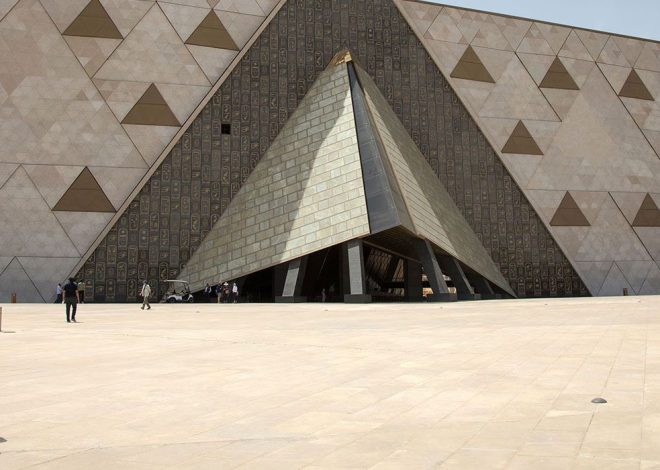
Large convention centres and global event infrastructure are positioning India as a hub for international conferences and exhibitions.
Adventure and Eco-Tourism
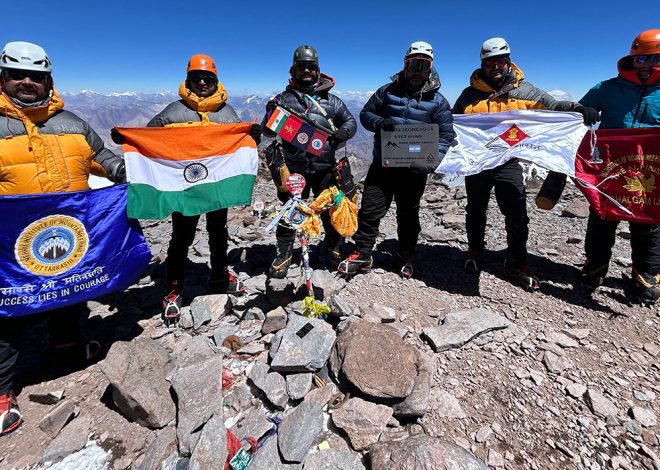
India’s mountains, forests, deserts and coastlines provide significant opportunities for sustainable adventure tourism.
Tourism: Key Issues Associated with the Sector in India
• Infrastructure gaps in last-mile connectivity to major destinations
• Over tourism pressures in ecologically fragile regions
• Waste management challenges in popular tourist hotspots
• Skill shortages within the hospitality workforce
• Safety perceptions influencing international traveller confidence
• Fragmented tourism branding across states
• Regulatory complexity for tourism entrepreneurs
• Limited global marketing coordination
Tourism: Measures Needed To Unlock the Potential
• Accelerating digital tourism integration across platforms
• Granting infrastructure status to the hospitality sector
• Strengthening safety systems for international travellers
• Developing integrated tourism circuits across states
• Expanding skill development programs in hospitality services
• Improving multimodal connectivity to emerging destinations
• Implementing sustainable tourism and carrying-capacity planning
• Creating a single-window clearance system for tourism businesses
Tourism: Structural Challenges &The Way Forward
Despite significant progress, India’s tourism sector must overcome structural challenges to reach its full potential.
A major concern is uneven destination development. While certain cities experience high tourist concentration, many regions with strong tourism potential remain underdeveloped.
Environmental sustainability is another key challenge. Without careful planning, tourism growth can place pressure on ecosystems and local resources.
Policy coordination between central and state governments also requires strengthening to ensure consistent standards, investment flows and marketing strategies.
The future of tourism in India will depend not only on increasing visitor numbers but on building a value-driven tourism model focused on quality infrastructure, sustainability and unique visitor experiences.
Tourism democratises economic growth by allowing even remote communities to participate in global economic activity.
Conclusion: Tourism and India’s Next Economic Leap
Tourism lies at the centre of this transformation. India’s development trajectory is entering a new phase, one defined by global connectivity, cultural diplomacy and inclusive growth.
It generates employment, strengthens foreign exchange earnings, drives infrastructure investment, empowers rural communities and enhances India’s international image.
More importantly, tourism connects local economies with global opportunities.
With strategic planning, sustained investment and a strong commitment to sustainability, tourism can evolve into one of the most powerful pillars of India’s economic and diplomatic future.
As global travel continues to expand, destinations that combine authenticity, accessibility and cultural depth will lead the next phase of tourism growth. India stands uniquely positioned to do so.
Tourism, therefore, is not merely about travel. It is India’s new economic frontier and a strategic instrument of growth, influence and global engagement.
About the Author