




Toxic Skies, Shifting Strategies: How Conflict is Fueling an Air Quality Crisis and Redefining Global Investment
A Crisis Intensifies Across Regions
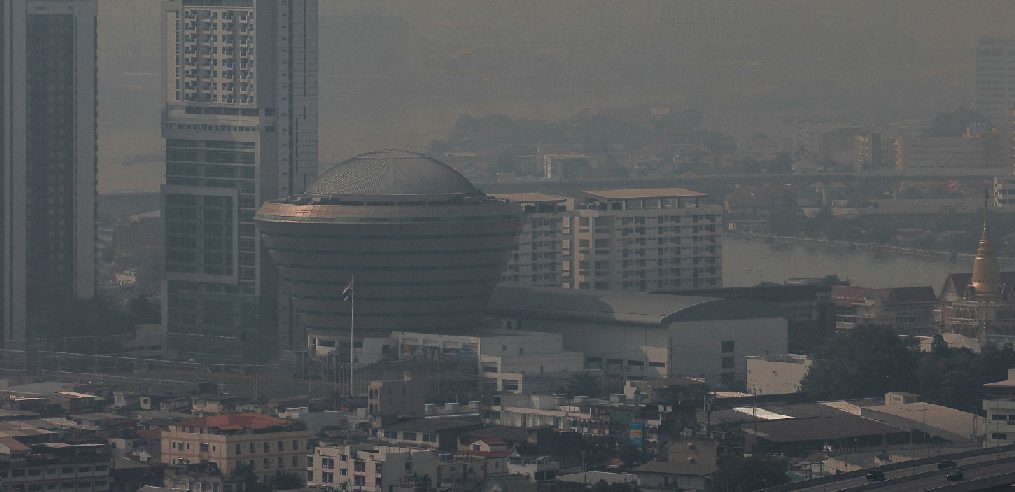
From the densely populated cities of India to the energy corridors of Iran, air pollution has long been a persistent challenge. However, the situation is now entering a more complex and dangerous phase. The rising tensions involving the United States, Israel, and Iran are not only reshaping geopolitical dynamics but are also intensifying environmental stress across West and South Asia. What was once primarily driven by industrial growth and urbanization is now being amplified by conflict-related disruptions and energy instability.
War’s Invisible Fallout: Pollution Without Borders
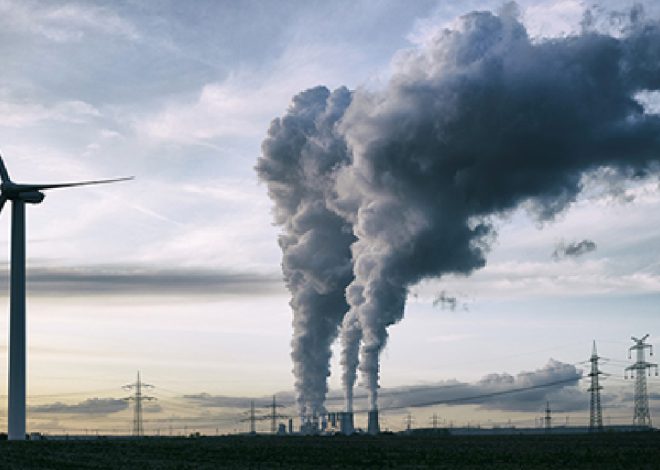
The environmental consequences of conflict often remain overlooked, yet they are far-reaching. Military strikes on energy infrastructure, particularly oil facilities, release large volumes of toxic emissions into the atmosphere. These pollutants, including fine particulate matter and chemical residues, do not remain confined to conflict zones. Instead, they travel across borders through atmospheric circulation, contributing to deteriorating air quality in neighboring regions.
At the same time, disruptions in global energy supply chains are forcing several countries to revert to coal and diesel-based energy sources. This shift, particularly visible in parts of South Asia, risks undoing years of progress toward cleaner energy adoption. As a result, the region faces a dual burden of both traditional pollution sources and new, conflict-driven environmental pressures.
A Public Health Emergency in Slow Motion
The implications for public health are profound and increasingly urgent. Prolonged exposure to polluted air is linked to respiratory illnesses, cardiovascular diseases, and a higher risk of chronic conditions. In many urban centers, declining air quality is already reducing life expectancy and placing immense pressure on healthcare systems.
The added layer of pollution from conflict-related emissions introduces even more harmful substances into the air, including toxic compounds that can have long-term health effects. Vulnerable populations – particularly children, the elderly, and economically disadvantaged communities – are disproportionately affected, turning air pollution into a deeper social and public health concern.
Agriculture Fields Under Stress
The impact of worsening air quality extends beyond cities into agricultural landscapes. Polluted air interferes with plant growth by damaging crop tissues and reducing photosynthesis. Over time, this leads to lower yields and diminished agricultural productivity. Additionally, the deposition of harmful chemicals into soil can degrade its quality, affecting long-term fertility.
In regions like South Asia, where agriculture remains a critical source of livelihood and food security, these changes carry serious consequences. Reduced crop output not only affects farmers’ incomes but also contributes to broader concerns around food availability and economic stability.
Sustainability as a Strategic Imperative
The convergence of environmental degradation and geopolitical instability is making sustainability an unavoidable priority. Countries are increasingly recognizing that environmental resilience is closely tied to economic and strategic stability. Without sustainable systems, both growth and public well-being remain vulnerable to sudden disruptions.
This realization is pushing governments and institutions to rethink policies and investments, placing greater emphasis on long-term environmental solutions rather than short-term fixes. Sustainability is no longer viewed as a separate agenda but as an integral part of national and regional security.
A Changing Investment Landscape
Even as challenges intensify, the evolving situation is creating new opportunities for innovation and investment. The demand for cleaner energy solutions is accelerating as countries seek to reduce dependence on volatile fossil fuel markets. Technologies related to air quality monitoring, pollution control, and environmental management are also gaining prominence.
Urban centers are increasingly turning toward sustainable infrastructure, including electric mobility and energy-efficient construction, while agricultural systems are gradually adopting climate-resilient practices. These developments reflect a broader shift toward industries that combine economic potential with environmental responsibility.
Global Investment Directions
The transformation is not limited to one region but is shaping global investment patterns. Emerging economies such as India and parts of Southeast Asia are witnessing rapid growth in renewable energy and infrastructure development. At the same time, Gulf nations are diversifying their economies by investing in green technologies, while Africa is drawing attention for its untapped renewable potential.
Meanwhile, European economies continue to lead in climate finance and regulatory frameworks, creating structured pathways for sustainable investment. This global shift indicates that future capital flows will increasingly favor regions and sectors aligned with environmental and economic resilience.
The Opportunity Within the Crisis
Amid the challenges, a new investment landscape is emerging one driven by necessity and innovation. Industries poised for growth include:
- Clean Energy Revolution: Solar, wind, and green hydrogen are gaining urgency as countries seek to reduce dependence on volatile fossil fuel markets.
- Air Quality and Environmental Technologies: From real-time monitoring to advanced filtration and carbon capture, demand for pollution-control solutions is rising rapidly.
- Sustainable Agriculture: Technologies that enhance crop resilience, improve soil health, and optimize water use are becoming essential.
- Urban Transformation: Electric mobility, green buildings, and smart infrastructure are redefining city development.
- Energy Storage and Innovation: Battery systems and decentralized grids are emerging as critical enablers of energy security.
The evolving scenario is reshaping where capital flows:
- India and Southeast Asia: Rapid expansion in renewables and infrastructure
- Gulf economies: Transitioning toward green energy leadership
- Africa: Untapped potential in solar and sustainable development
- Europe: Leading in climate finance and regulatory innovation
Investors are increasingly aligning with ESG-driven strategies, where sustainability meets long-term profitability.
The Rise of the Green Economy
The current crisis is accelerating the transition toward a green economic model. Climate finance mechanisms, including green bonds and sustainability-linked investments, are becoming central to global economic strategies. Governments and private sectors alike are recognizing that sustainable investments are not only environmentally necessary but also economically viable.
The disruptions caused by geopolitical tensions have exposed the vulnerabilities of fossil fuel dependence, reinforcing the need for diversified and cleaner energy systems. As a result, the shift toward a green economy is gaining both urgency and momentum.
The Way Forward: Aligning Policy with Sustainable Investment
The air quality crisis unfolding across West and South Asia highlights the deep interconnection between geopolitics, environment, and economic stability. The ongoing tensions involving the United States, Israel, and Iran have demonstrated how quickly environmental conditions can deteriorate under external pressures.
At the same time, this moment offers an opportunity to rethink priorities and accelerate the transition toward sustainable systems. By aligning policy, investment, and innovation with environmental goals, countries can address immediate challenges while building long-term resilience. The path forward lies in recognizing that clean air, sustainable growth, and strategic stability are not separate objectives but interconnected pillars of the future.