



U.S. – India Relations: Partnership with Persistent Friction
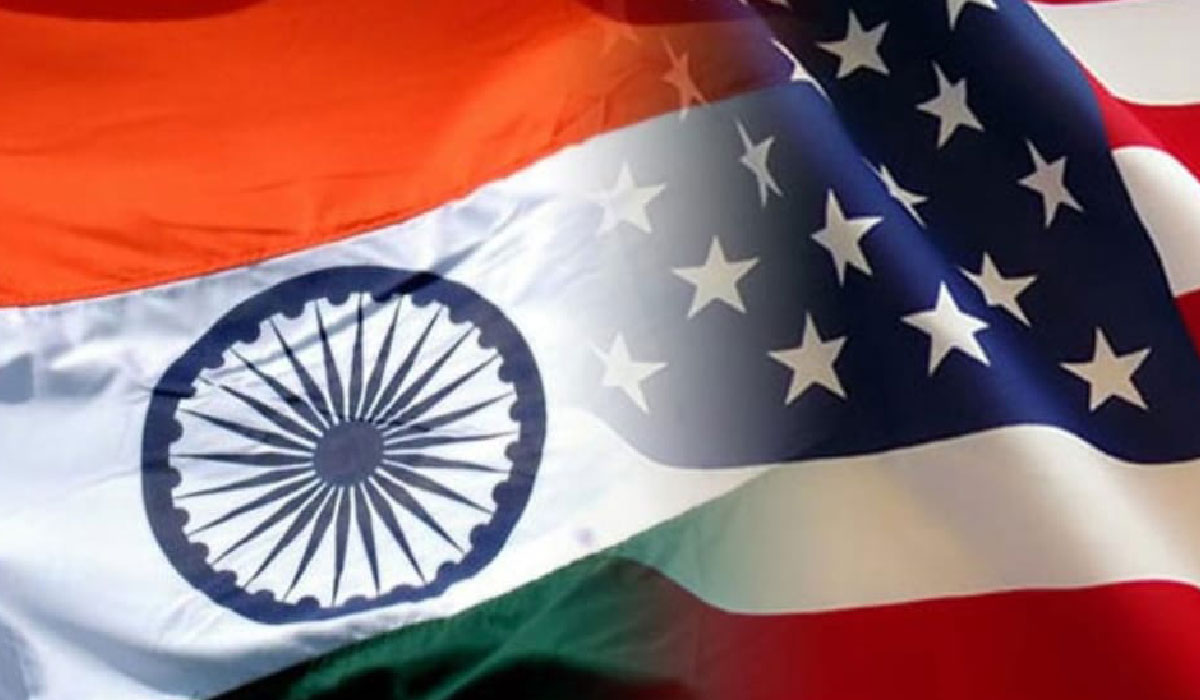
The United States often projects India as a key strategic partner in the 21st century, especially within the framework of the Indo-Pacific and efforts to counterbalance China. Official statements highlight shared democratic values, expanding defense cooperation, and growing economic ties. However, behind this narrative lies a more complicated reality. U.S. policy toward India has increasingly reflected selective engagement - supportive when interests converge, coercive when they diverge.
This contradiction becomes most visible when India’s independent foreign policy choices collide with American strategic priorities. Rather than accommodating India’s regional interests, Washington has frequently adopted a pressure-driven approach, raising questions about the depth and sincerity of the so-called strategic partnership.
The Iran Factor in U.S. Anti-Indian Policy
India’s engagement with Iran has long been a source of discomfort for the United States. From Washington’s perspective, Iran is primarily viewed through the lens of security threats and regional instability. For India, however, Iran represents energy security, regional connectivity, and strategic access to Central Asia and Afghanistan.
The U.S. withdrawal from the Joint Comprehensive Plan of Action (JCPOA) and the reimposition of sweeping sanctions marked a turning point. Despite India’s consistent position that its ties with Iran were purely economic and stabilizing in nature, the United States showed little willingness to accommodate Indian concerns. Instead, sanctions were enforced with extraterritorial reach, effectively compelling India to reduce oil imports and slow down infrastructure projects.
This policy choice signaled a broader trend: American strategic interests would override the economic and diplomatic priorities of even close partners like India.
Impact of U.S. Sanctions on Iran
The U.S. sanctions regime against Iran had far-reaching consequences, not only for Tehran but also for countries deeply engaged with the Iranian economy. India was among the most affected.
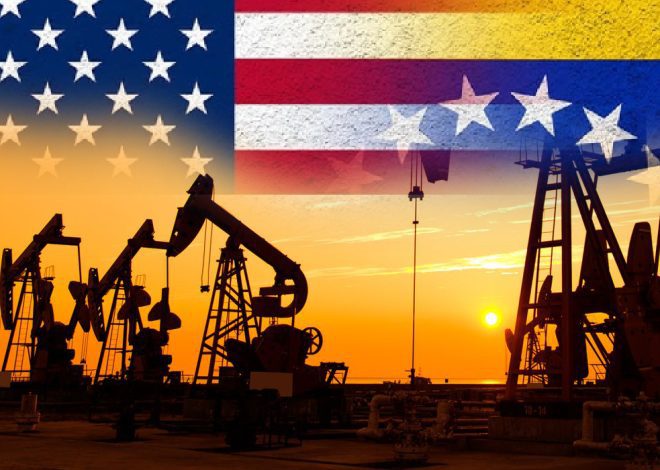
Iran had been one of India’s most reliable crude oil suppliers, offering competitive pricing, flexible payment terms, and logistical advantages. The sudden halt in oil imports forced India to turn to alternative suppliers, often at higher costs. This disrupted India’s energy planning and increased vulnerability to global market fluctuations.
Beyond energy, sanctions created uncertainty for Indian businesses and public sector enterprises. Financial restrictions, banking hurdles, and fear of secondary sanctions discouraged investment and delayed ongoing projects. In effect, U.S. policy narrowed India’s economic options while offering no credible substitutes.
Indian Investments in Iran: Strategic, Not Political
India’s most significant investment in Iran, the Chabahar Port project highlights the strategic nature of New Delhi’s engagement. Chabahar is not merely a commercial venture; it is a geopolitical asset that enables India to access Afghanistan and Central Asia without relying on Pakistan.
Through Chabahar, India aimed to support regional development, facilitate trade, and enhance stability in a volatile region. The project also aligned with broader international interests, including Afghanistan’s economic integration.
However, U.S. sanctions cast a shadow over this initiative. Although Washington occasionally acknowledged Chabahar’s strategic value and granted limited waivers, the overall environment of uncertainty persisted. This stop-and-go approach undermined investor confidence and slowed progress, weakening India’s long-term regional strategy.
Sanctions as a Tool of Coercion
The Iran episode illustrates a wider problem in contemporary U.S. foreign policy: the overreliance on sanctions as a coercive instrument. While sanctions can impose economic pressure, they often fail to achieve lasting political outcomes. More critically, they disregard the interests of partner nations who are forced into compliance despite legitimate national priorities.
For India, this experience reinforced concerns about strategic dependence. A partnership that demands alignment without consultation risks becoming asymmetric. True alliances are built on trust and flexibility, not unilateral diktates.
The Trump Administration’s Transactional Diplomacy
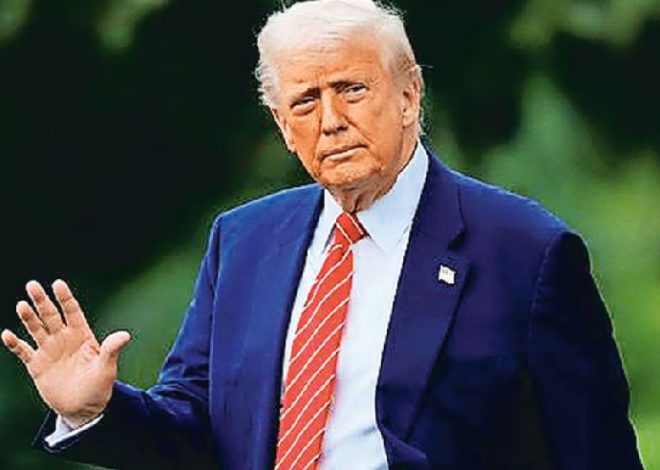
These trends were particularly pronounced during the presidency of Donald Trump. His administration embraced a transactional approach to foreign policy, viewing alliances as business arrangements rather than long-term commitments. Multilateral agreements were abandoned, diplomacy was personalized, and policy decisions were often driven by domestic political calculations.
Trump’s Iran policy was emblematic of this mindset. By discarding diplomatic engagement in favor of “maximum pressure,” his administration intensified regional instability while disregarding the interests of countries like India. Strategic complexity was sacrificed for rhetorical toughness.
Trump in Historical Perspective
Despite these criticisms, historical comparisons must be made with care. Donald Trump was not a cruel ruler like Adolf Hitler, whose ideology and actions resulted in genocide and global devastation. Nor was he a great warrior like Alexander the Great, whose military campaigns reshaped ancient civilizations through conquest.
Trump neither commanded absolute power nor led armies across continents. His influence, though disruptive, operated within institutional constraints and democratic processes.
A more fitting comparison can be drawn from ancient Indian history. Dhana Nanda, the last ruler of the Nanda dynasty, possessed immense wealth and power but lacked popular support and political wisdom. His arrogance and isolation ultimately contributed to the collapse of his rule, paving the way for Chandragupta Maurya.
Similarly, Trump’s leadership style—marked by impulsiveness, polarization, and disregard for consensus - undermined the strength he inherited. His foreign policy, including toward India and Iran, reflected these weaknesses.
Conclusion: Lessons for India and the World
The experience of U.S. sanctions on Iran and their impact on India underscores a crucial lesson: strategic partnerships must not come at the cost of national autonomy. While engagement with the United States remains vital for India, it cannot replace independent decision-making rooted in long-term interests.
In an increasingly multipolar world, coercion is a diminishing tool. Sustainable influence will depend on cooperation, mutual respect, and recognition of diverse national priorities. For both India and the United States, adapting to this reality is essential—not just for bilateral relations, but for global stability itself.
About The Author