UK Prime Minister Keir Starmer’s Historic Visit to India: A New Chapter in Bilateral Relations
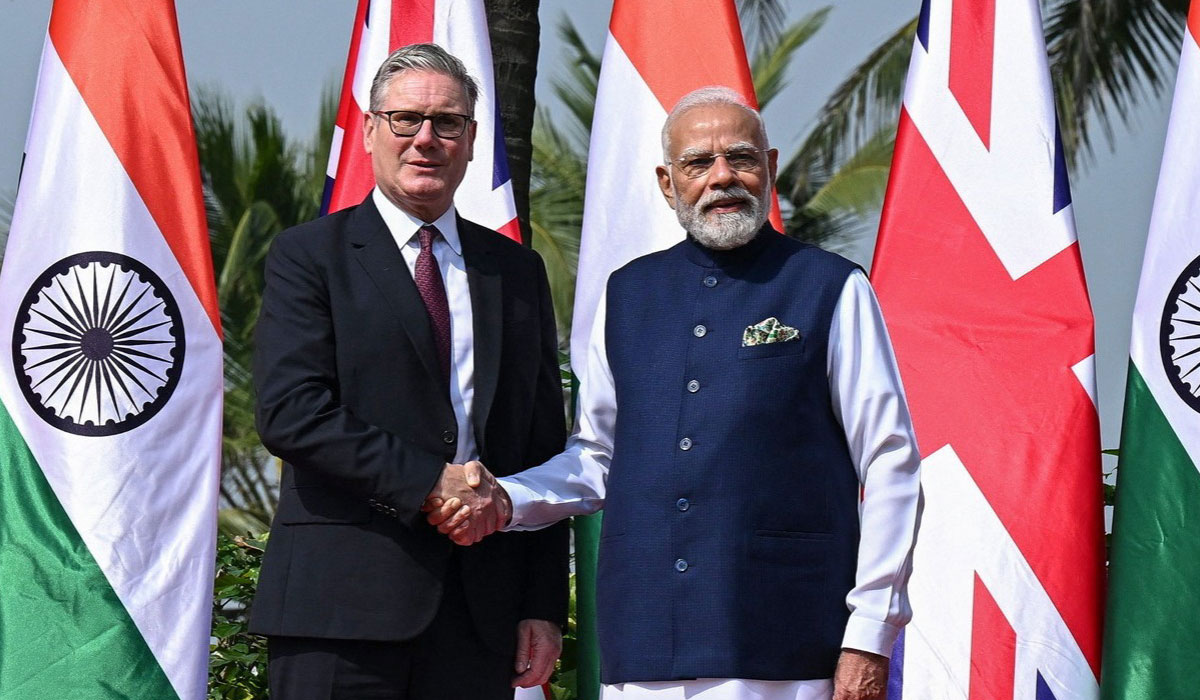
United Kingdom Prime Minister Keir Starmer made his first official visit to India on October 8-9, 2025, responding to an invitation from Indian Prime Minister Narendra Modi. This landmark visit reinforced the growing partnership between the two nations, guided by the ambitious ‘Vision 2035’ roadmap—a comprehensive 10-year plan focused on strengthening collaboration in trade, technology, defence, climate action, health, education, and cultural exchanges.
Advancing Economic and Trade Partnerships
A key focus of the visit was enhancing economic ties through the India–UK Comprehensive Economic and Trade Agreement (CETA). Starmer and Modi met with numerous business leaders to discuss how this agreement could unlock significant trade and investment opportunities. The partnership aims to boost bilateral trade by billions and emphasizes sectors such as advanced manufacturing, digital services, clean energy, and innovation.
Reflecting this momentum, 64 Indian companies announced investments totaling £1.3 billion in the UK, marking a strong vote of confidence in the partnership. British Airways also revealed plans to improve air connectivity by reintroducing its First-class cabin on London-Mumbai flights and rolling out upgraded seating options, strengthening people-to-people and business ties.
Boosting Technological and Defence Collaboration
The visit highlighted growing cooperation in technology, with the launch of the India–UK Joint Centre for Artificial Intelligence aimed at fostering research and innovation. Additionally, both countries inaugurated Phase-II of the Critical Minerals Supply Chain Observatory to secure essential resources for clean energy and advanced technologies.
Defence ties were further strengthened with a £350 million deal for UK-made Thales missiles, creating hundreds of jobs in the UK and enhancing India’s defence capabilities. The leaders also committed to joint efforts against terrorism and agreed to expand military collaboration through joint exercises and training programs.
Education, Culture, and Global Diplomacy
In education, Starmer announced that UK universities including Lancaster and Surrey would open campuses in India, contributing to a growing number of British institutions establishing a presence in the country. This move is expected to deepen academic exchange and cultural understanding.
On the global stage, Starmer reiterated the UK’s support for India’s bid to secure a permanent seat on the United Nations Security Council, recognizing India’s increasing influence in international affairs. The two leaders also discussed pressing issues such as the war in Ukraine and climate change, affirming their commitment to collaborate despite differing political views.
Looking Ahead
Prime Minister Starmer’s visit has injected fresh energy into India-UK relations, moving beyond diplomatic niceties to tangible progress in trade, technology, defence, and education. The initiatives and agreements forged during these two days set the stage for a dynamic and future-focused partnership, benefiting both nations and contributing to stability and prosperity in the broader Indo-Pacific region.