


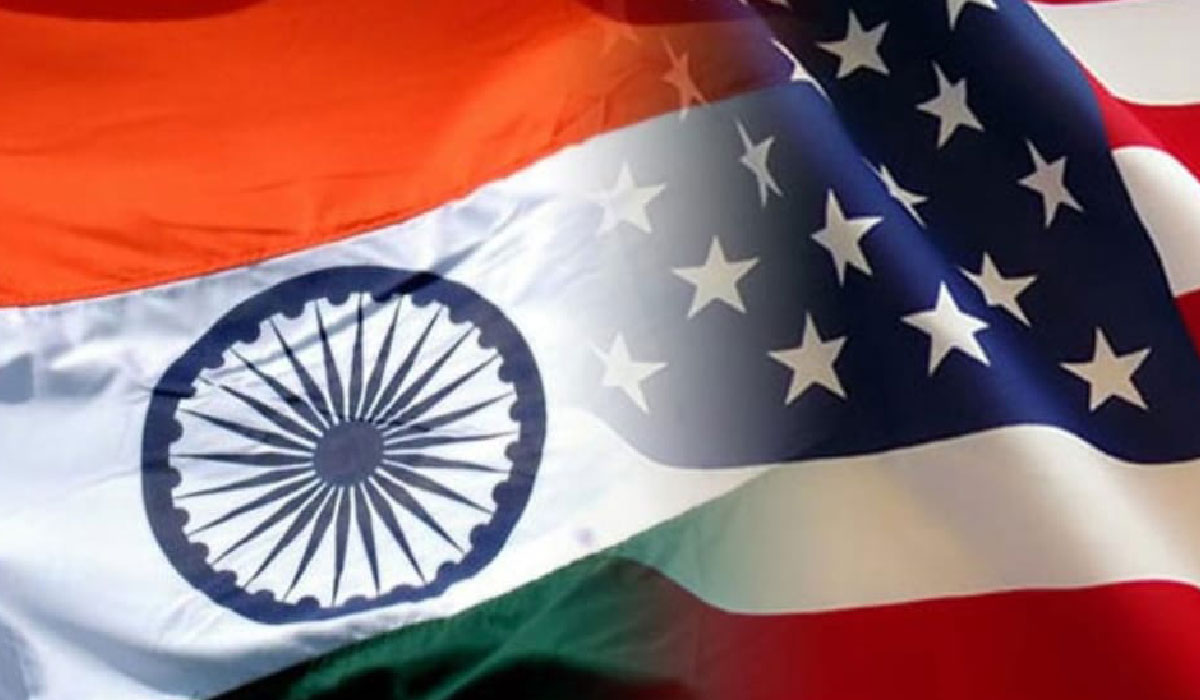
USA’s Dual Policy for India and China
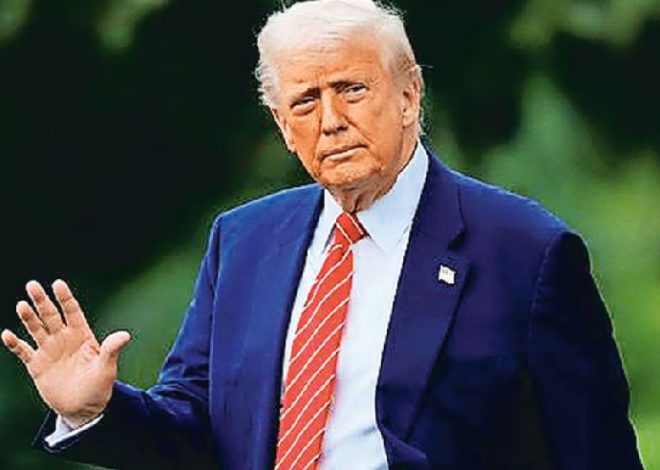
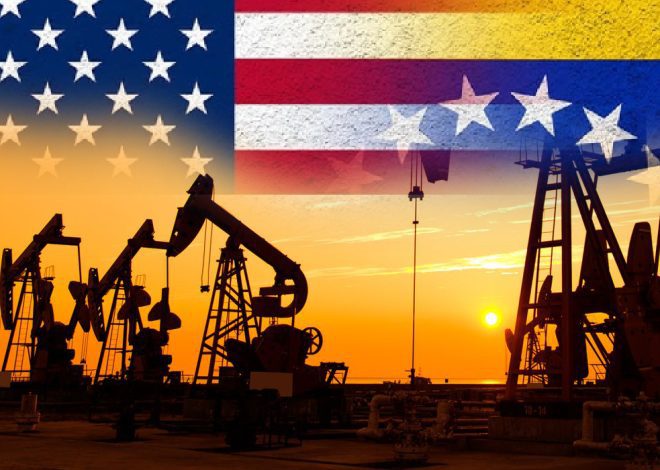
On February 22, 2022, Russia declared war on its enemy, Ukraine, sparking yet another silent conflict for which the world was unprepared: the war of global oil flow. The US tariff war was developing right here in Russia. Russia's energy exports to China and India throughout the crucial periods continued to be a point of dispute with the White House, as Washington sought directly to neutralize Moscow's escalating hostility. What followed after that has become one of the most ambiguous scenes in the recent foreign policy- Trump’s tariff war. Accordingly, Trump has imposed a 50% tariff on India’s exports, in a newly-devised mechanism to punish India for its purchase of Russian crude oil while allowing China to subtly escape penalty for the same volumes of purchases leaving the world pondering.
The answer does not just lie in volumes of oil purchases, and even exceeds the international laws of trade. The answer to disparity is rather contained in USA’s policymakers differently viewing China and India in terms of economic leverage and political calculations. Trump’s new position as administrator of the truce has a role as well, since he thinks China can use its influence to put an end to the conflict between Russia and Ukraine.
India’s real story of purchase of Russian oil...
India, with a population of 140 crores, largely depends on Russia for its crude oil requirements for all its refineries. In the pre-war years India’s import accounted for almost 2% of the Russian crude whereas post-war years (2022) the figures jumped to 40%, an all time high that continued its trend even in 2025. In total, India imported around 88 million metric tons of Russian crude in fiscal year 2025, out of a total of 245 million ones – more than 1.7 million barrels per day, a 20-time uptick in span of three years. When the world’s greatest influencer like USA had boycotted Russia and its oil purchases over its aggression with Ukraine, Indian refiners continued their support to Russia and purchased large volumes of oil. This also gave Indian businessmen an advantage of steep wartime discounts. However, India’s gradual foray into supplying refined crude oil did not go well with the western market as they were against Russian oil purchase in any form.
China’s market.
China’s oil market is much larger as compared to India. It accounts for buying almost half the Russian crude along with coal, gas and refined products from Russia. Even though, Beijing made up for 40% of total Russian crude exports in 2025 it was never hard-slapped with high duties from the US. This leverage makes the diplomatic ties between China, India, USA and Russia even more complex.
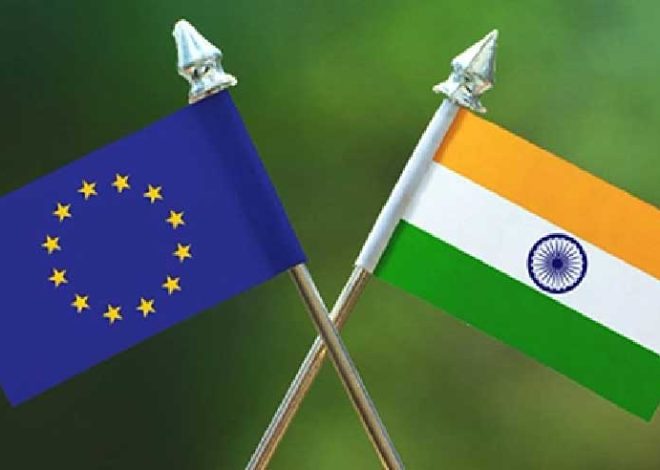
Here it is important to understand that India is an easy target for economic pressure as opposed to China because of its high dependence on western market for its technological and investment needs. On the other hand US-China years of mutual interdependence on each other has kept America from meddling in its oil exports as it could trigger unequivocal response in the form of reciprocal tariffs.
The USA, since long, has been vigilant “India’s profit narrative” as they have condemned the Indian refiners of re-selling crude Russian oil to the countries enforcing sanctions against after Russia.
However, the motive behind US’s hesitancy towards China could also translate into Trump’s own motive of casting himself as “ceasefire negotiator” and it clearly aligns with the believe that China can secure a deal to end Russia-Ukraine war. The Trump’s administration sees India having too little control over Putin and, by contrast, China does not feature in the list of it countries receiving punitive actions because of its economic significance as well as, asumably, a negotiating agent between Russia-Ukraine.
USA’s motive in China and reality...
Yet, USA’s motive in China is assumed to be far away from reality as pinning hopes on china to resolve the war stands inconsistent with Beijing’s own interest. A long drawn out war would be a great distraction for USA giving China an edge over to regionally assert itself and in a way locking Russia into economic dependence.
On the diplomatic handling of the war Beijing has adopted a pretense while in actuality has put in to little efforts for settlement extending its support through diplomatic cover. With the continuation of the war China’s presence in global south would loom large as a counter weight to the West. This directly leads Trump’s calculation of Chinese cooperation in the ending the Ukaraine Russia war to a self defeat. In every way USA’s move to exempt China from the tarrif war hands it more leverage over European security crisis that Trump wants to control.
As a result of USA’s tariff gamble is lopsided sanction regime with differing priorities. The US is risking estranging India as one of the most important emerging trade partners through such sanctions. It is noteworthy that by exempting China the US signals a violation message that is more of a power calculus and over principle.
It is important for US to rethink its own riddled policy and abandon wishful thinking. U.S. policy must face the reality of this balancing and give up on idealistic thinking if it is to be successful. India's energy decisions provide a real threat to the sanctions system, but China's capacity to avoid pressure and influence the course of the conflict to its benefit poses a longer-term strategic risk. Washington's approach to China and India will continue to be reactive, erratic, and susceptible to manipulation by the very nations it aims to influence unless it acknowledges this and takes appropriate action.
About the Author