
Multilateralism & Current Geopolitical Scenario
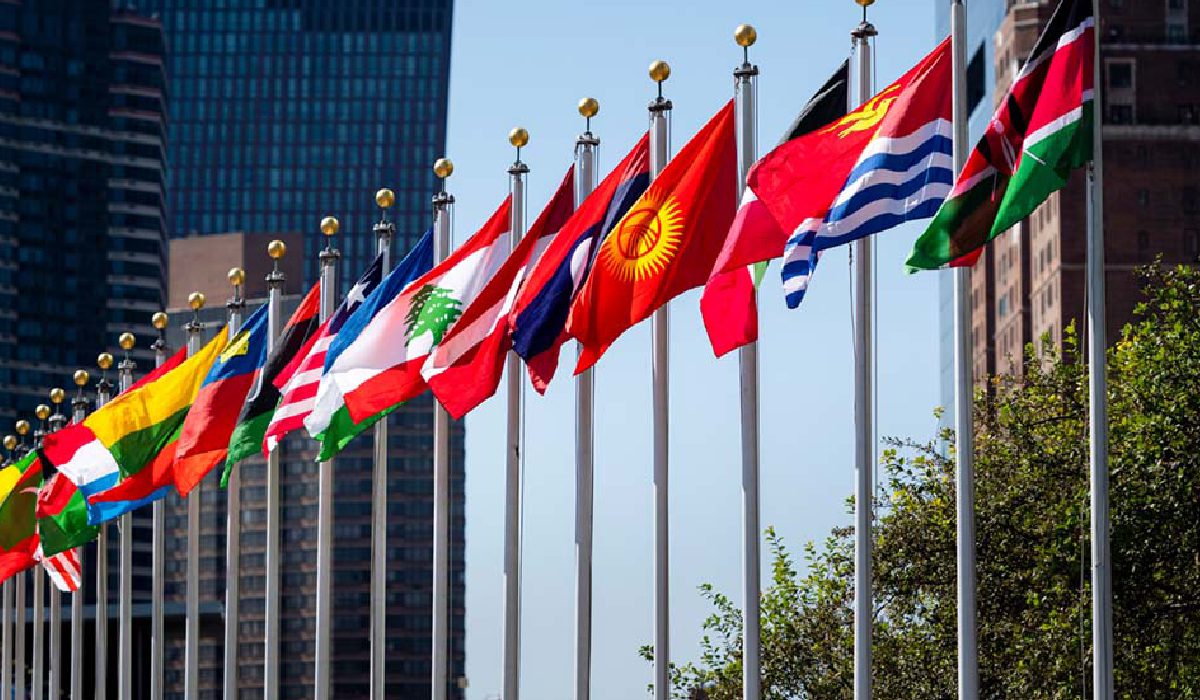
In 1980s John Gerard Ruggie explains multilateralism is coordination among three or more than three nations on the basis of generalized principle of conduct.

In 1980s John Gerard Ruggie explains multilateralism is coordination among three or more than three nations on the basis of generalized principle of conduct.
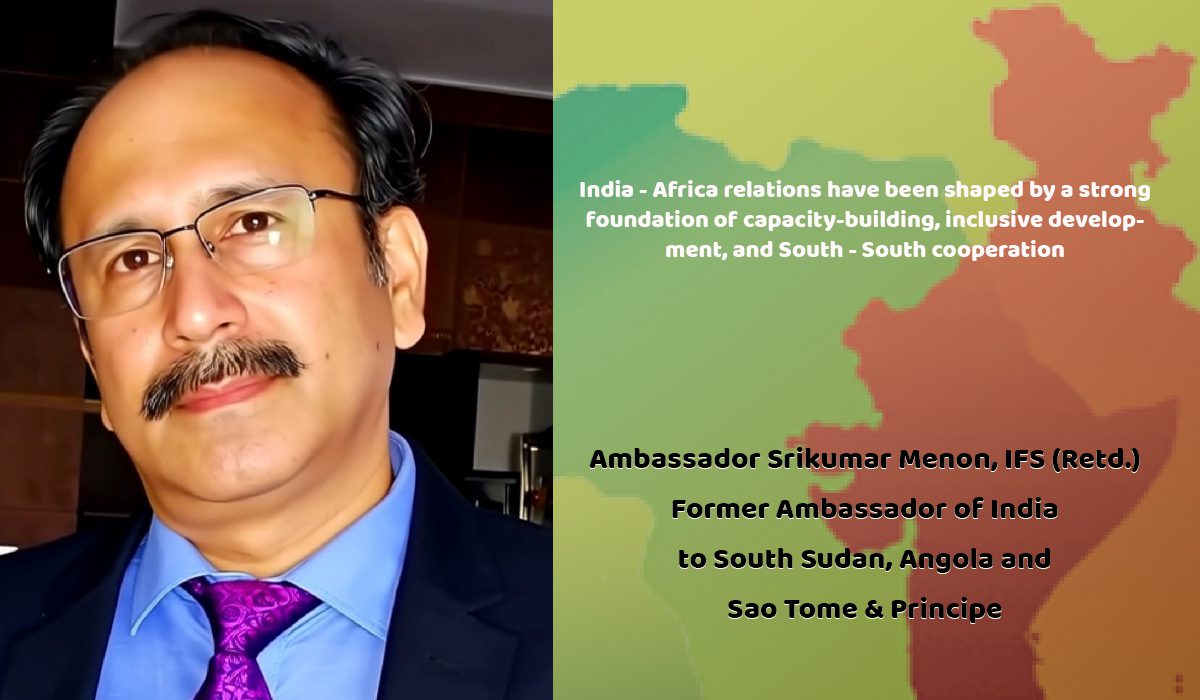
Ambassador Srikumar Menon, IFS (Retd.), highlights that India – Africa relations have been shaped by a strong foundation of capacity-building, inclusive development, and South – South cooperation. Reflecting on his diplomatic experience, he underscores India’s role in education, skills development, and the spread of affordable innovations in healthcare, agriculture, and digital services across Africa.
The Gulf crisis is often framed as a contest of oil markets and great power rivalry. Yet its most immediate and destabilizing consequences are felt far beyond the Gulf itself—particularly in South Asia. For Pakistan, the crisis is not distant; it is immediate.
Suresh K. Reddy, the Indian Ambassador to Cairo, met with Dr. Mohamed Farid Saleh, the Egyptian Minister of Investment and Foreign Trade, to discuss ways to enhance economic, trade, and investment relations between the two countries. They reviewed several vital topics of mutual interest aimed at elevating the level of bilateral cooperation.
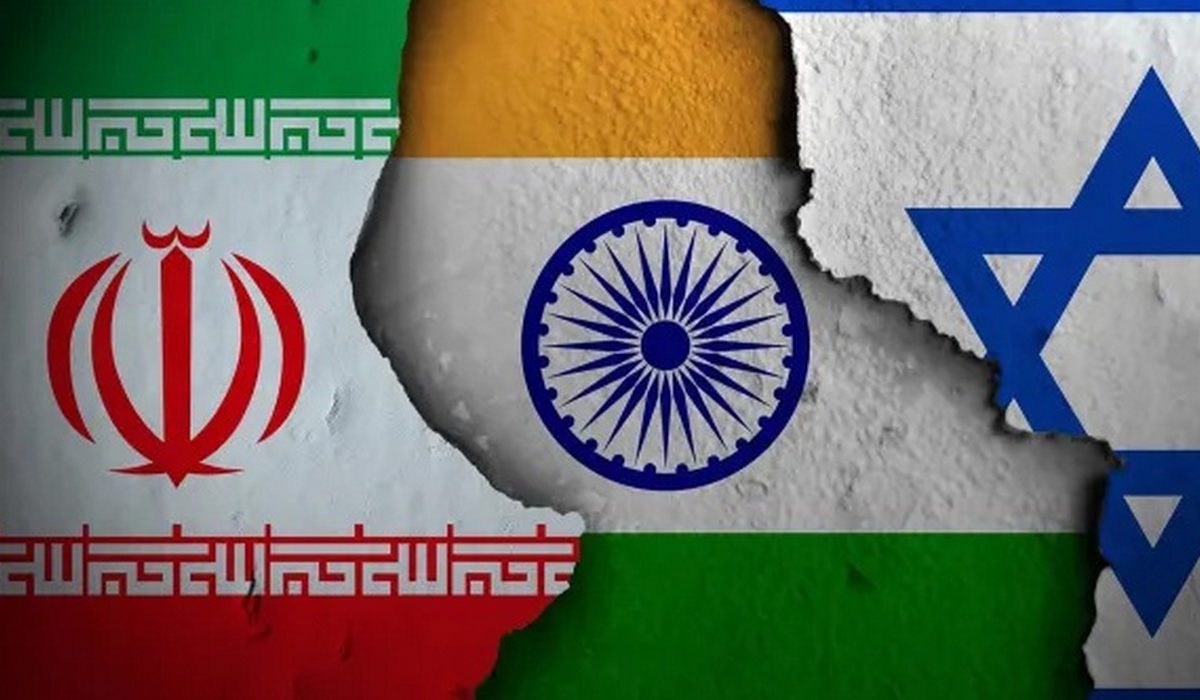
With the escalation of tensions in the Middle East and the outbreak of military confrontations linked to the war with Iran, India finds itself facing a delicate diplomatic test of its ability to manage its complex network of international relations in one of the world’s most sensitive regions—a region of paramount strategic importance to its economic and security interests.
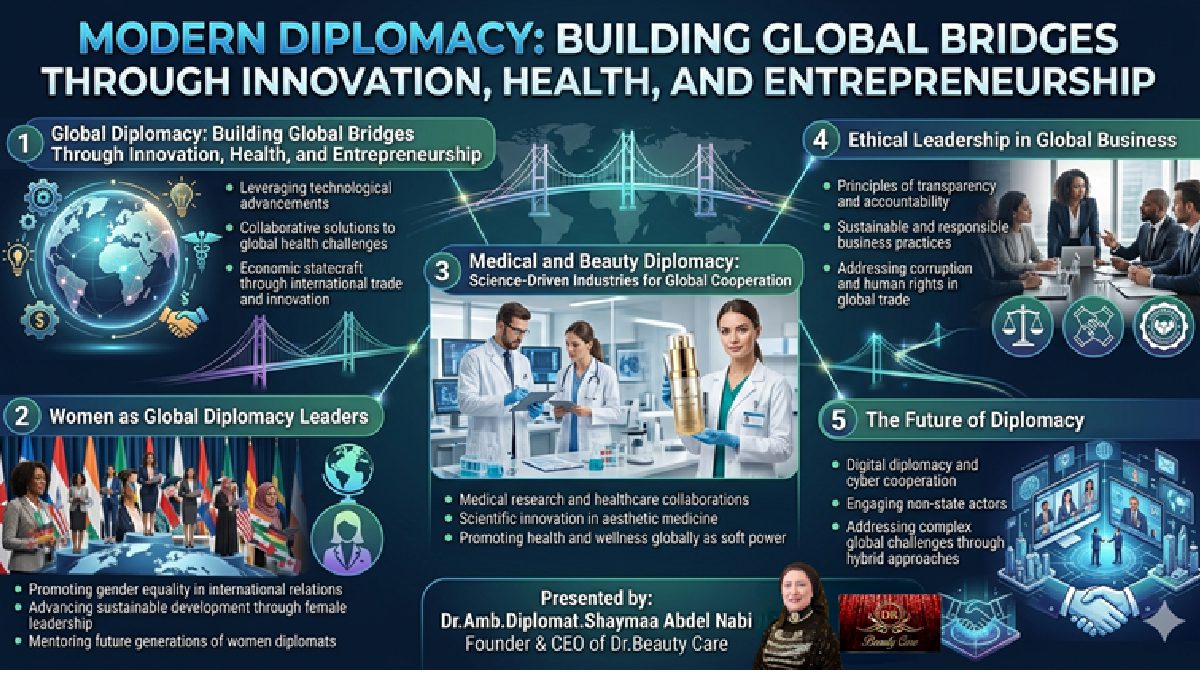
In the 21st century, diplomacy is no longer confined to traditional political negotiations or formal state relations. The world has entered a new era where innovation, Medical science, entrepreneurship, and ethical leadership are shaping international cooperation.
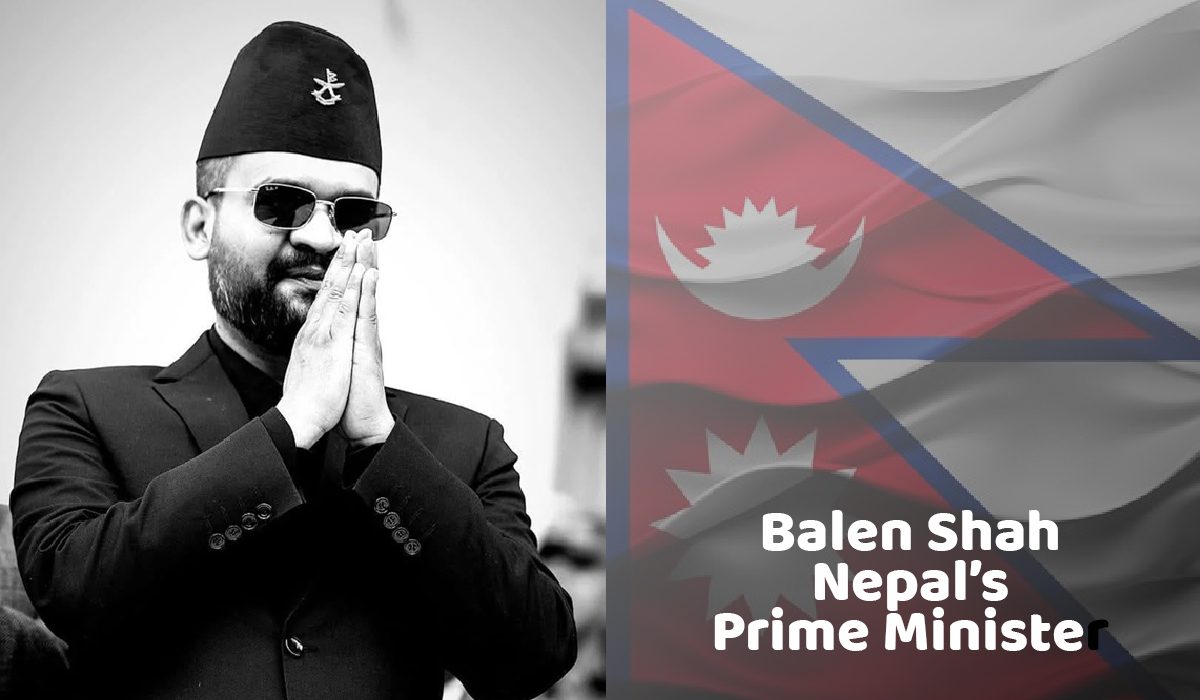
The Rashtriya Swatantrata Party’s historic victory in the elections of March 2026 (B.S. 2082/83) has marked a new era in Nepali politics. RSP’s Balendra Shah’s win over K.P Sharma Oli of Communist Party symbolises people’s rejection of old political regime in the country.
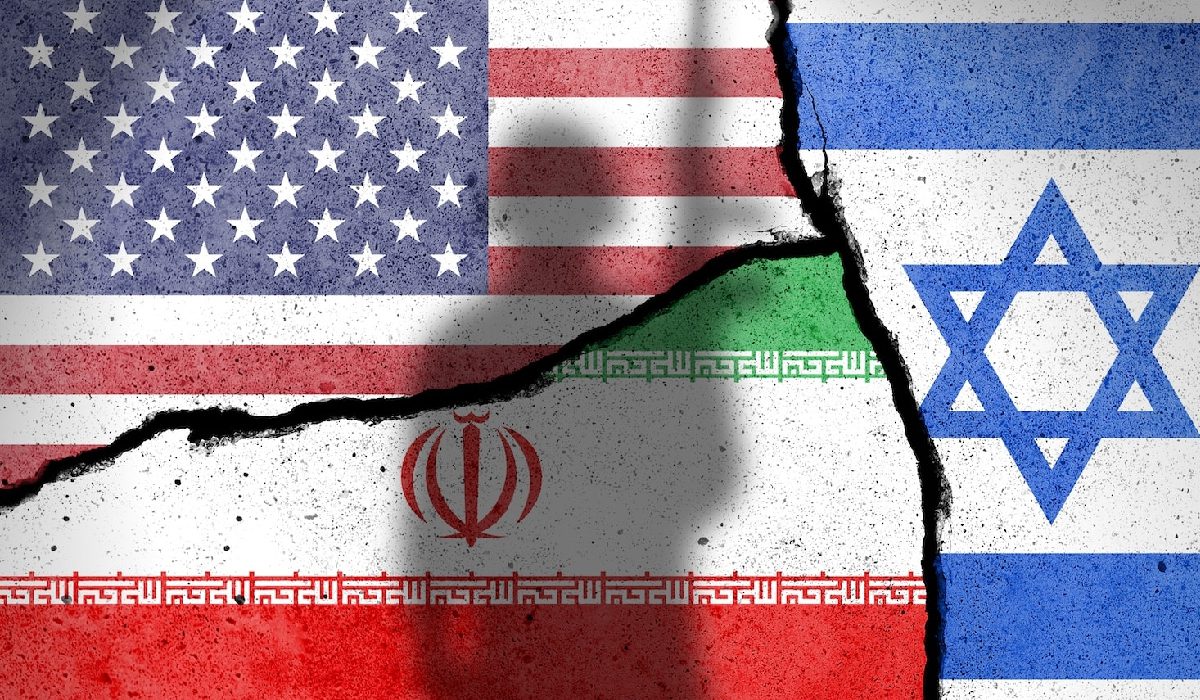
The once wealthy Gulf States with huge oil reserves have turned into nothing but a target for Iranian strikes because of the US military bases they host. The conflict in the Middle East continues to escalate and is getting worse each week after the US and Israel launched wide-ranging strikes on Iran, resulting in the assassination of Iran’s supreme leader, Ayatollah Khamenei, on 28 February.
The 6th India–Azerbaijan Foreign Office Consultations held in Baku in early April 2026, co-chaired by Shri Sibi George and H.E. Mr. Elnur Mammadov, reviewed the state of bilateral relations and explored cooperation in trade, energy, technology, tourism, pharmaceuticals, and security. Both sides reaffirmed their commitment to strengthen multi-sectoral engagement and agreed to hold the next round of consultations in New Delhi.
First Deputy Prime Minister of Russia, H.E. Mr. Denis Manturov, visited New Delhi in April 2026 to co-chair the India–Russia Intergovernmental Commission on Trade, Economic, Scientific, Technological and Cultural Cooperation (IRIGC‑TEC). The high-level meetings focused on expanding cooperation in trade, energy, technology, innovation, and people-to-people ties, reaffirming the long-standing strategic partnership and setting the stage for multi-sectoral collaboration in the years ahead.