External Affairs Minister S. Jaishankar’s Moscow Visit: A Strategic Dialogue on Bilateral Cooperation and Political Engagements
On Monday, India’s External Affairs Minister, Dr. S. Jaishankar, concluded a significant diplomatic visit to Moscow, where he engaged in a comprehensive review of the longstanding and multifaceted bilateral ties between India and Russia. This high-level visit, coming at a time of complex global geopolitical developments, underscores the strengthening of India-Russia relations and their commitment to enhancing cooperation in several key areas, including defense, energy, trade, and political engagement.
Key Objectives of the Visit
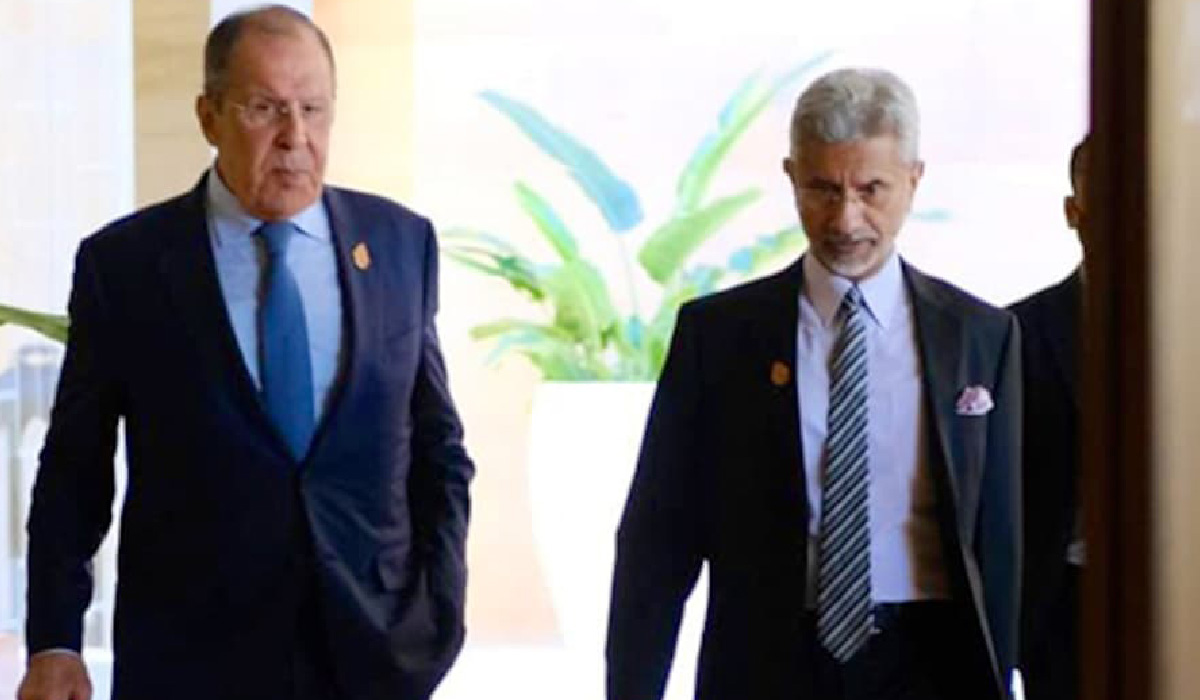
Dr. Jaishankar’s visit to Moscow was primarily aimed at evaluating the progress of the strategic partnership between the two countries, which has been traditionally rooted in mutual respect and shared interests. The External Affairs Minister held discussions with senior Russian officials, including Foreign Minister Sergey Lavrov, to review the status of various ongoing projects, assess the challenges facing the bilateral relationship, and chart the course for future cooperation.
The visit comes ahead of several major political engagements between India and Russia, making it an opportune moment to take stock of the evolving dynamics. As both countries navigate an increasingly complex global order, the visit highlighted the importance of maintaining robust diplomatic channels and furthering the comprehensive strategic partnership that has been in place for decades.
Strengthening Defense Ties
A major component of the discussions during Jaishankar’s visit revolved around defense and security cooperation. Russia remains one of India’s largest defense suppliers, and both nations have a long history of military collaboration. The two sides reviewed ongoing defense deals, including the procurement of advanced weaponry, defense technologies, and joint military exercises.
Particularly significant was the conversation surrounding the S-400 Triumf air defense system, which India recently purchased from Russia, despite pressure from Western countries. This purchase has drawn attention from global powers, but India has maintained that the deal is essential for its national security interests. The visit provided an opportunity to reassure Russian officials about India’s commitment to maintaining a balanced approach in its defense partnerships and to discuss the future trajectory of defense cooperation between the two countries.
Energy Cooperation: A Key Focus
Energy collaboration between India and Russia has emerged as a cornerstone of their bilateral relationship. Dr. Jaishankar’s visit focused on strengthening the energy ties between the two nations, with an emphasis on expanding India’s access to Russian oil and gas resources. Given the ongoing energy crisis triggered by the war in Ukraine, India’s strategic partnership with Russia in the energy sector has been critical in meeting the country’s growing demand for oil, particularly through discounted Russian crude.
The discussions also revolved around increasing cooperation in nuclear energy, with India looking to further diversify its energy sources while ensuring energy security. Russia, with its advanced nuclear technologies, continues to be a key partner in India’s civilian nuclear energy program, which includes major projects such as the Kudankulam Nuclear Power Plant.
Trade and Economic Cooperation
In the realm of economic ties, Jaishankar’s visit aimed to boost trade relations, which have seen significant growth in recent years. Bilateral trade between India and Russia crossed $10 billion in recent times, with the two nations aiming to increase this figure through greater cooperation in sectors such as pharmaceuticals, machinery, agricultural products, and technology.
India’s growing interest in Russia’s vast natural resources, including energy, metals, and minerals, was a key topic of discussion. Both nations have also explored opportunities for expanding trade under the International North-South Transport Corridor (INSTC), which is expected to enhance connectivity between the two countries and facilitate trade across regions.
The discussions also covered potential Russian investments in India’s infrastructure development, technology startups, and manufacturing sectors, with a particular focus on the Make in India initiative and the promotion of joint ventures.
Political Engagement and Global Issues
Beyond economic and defense cooperation, the visit included extensive talks on global political issues. Both India and Russia continue to maintain a close alignment on various international matters, including support for multilateralism, the strengthening of the United Nations, and the resolution of regional conflicts.
With both countries facing increasing pressure from the West, the visit also served as a reaffirmation of their mutual respect for sovereignty and their desire to resist unilateral actions that threaten global stability. Jaishankar’s discussions with Russian leaders underscored the importance of a multipolar world order, where India and Russia continue to play pivotal roles.
The two countries also discussed their positions on the war in Ukraine, with India maintaining a neutral stance, calling for dialogue and peaceful resolution while balancing its energy needs and its long-standing strategic relationship with Russia.
Looking Ahead: Future Political Engagements
Looking ahead, Jaishankar’s Moscow visit laid the groundwork for several upcoming political engagements between India and Russia. The two sides are expected to hold a series of high-level meetings, including the 23rd India-Russia Annual Summit, which will further solidify their political and economic ties. India and Russia have also expressed their intention to deepen cooperation in key areas such as counter-terrorism, space exploration, and science and technology.
Furthermore, India’s growing role on the world stage, including its participation in the G20, BRICS, and the Shanghai Cooperation Organization (SCO), provides an opportunity for enhanced political coordination between India and Russia in multilateral forums.
Conclusion
Dr. S. Jaishankar’s visit to Moscow represents a significant chapter in the evolving relationship between India and Russia. As both countries look to adapt to an increasingly multipolar world, the visit reaffirmed their commitment to strengthening bilateral ties, especially in the areas of defense, energy, trade, and political coordination.
In a world marked by shifting alliances and rising geopolitical tensions, India’s strategic partnership with Russia continues to be of paramount importance. The outcomes of this visit indicate that the relationship is poised for further growth, ensuring that India and Russia will continue to collaborate closely on the global stage.