Galloping Beyond Borders: The Spirit of Sport, The Power of Culture
At the 6th World Nomad Games in Kyrgyzstan, India joins Central Asia in celebrating heritage, friendship and the timeless power of sport
From 31 August to 6 September 2026, Bishkek is becoming the stage where sport, culture and diplomacy converge. Kyrgyzstan is hosting the 6th World Nomad Games, an extraordinary international gathering that brings traditional sports and the rich cultural heritage of Central Asia into the global spotlight.
The World Nomad Games are unlike conventional sporting events. Their purpose extends beyond medals and competition. They celebrate the traditions of nomadic societies through horse riding, wrestling, indigenous games, music, crafts and cultural performances. In doing so, they transform ancient practices into a contemporary platform for international dialogue and friendship.
At the heart of the Games is the enduring spirit of the Central Asian steppes. Competitions such as Kok Boru, traditional wrestling, Toguz Korgool, Ordo and Mangala reflect skills and games that have been passed down through generations. What was once part of everyday community life is now being shared with an international audience, demonstrating that cultural heritage can remain dynamic and relevant in the modern world.
India’s participation adds a distinctive dimension to this celebration. The country is represented by an 87-member contingent, comprising 73 athletes, 10 cultural representatives and four participants in the scientific programme. The composition of the delegation itself conveys an important message: India’s engagement is not limited to sporting competition but embraces culture, traditional knowledge and intellectual exchange.
India and Central Asia share a relationship that stretches back centuries. Trade routes connected the Indian subcontinent with Central Asia, carrying not only goods but also ideas, religions, art, languages and traditions. The historical interaction between the two regions created a rich tapestry of civilisational exchange. The World Nomad Games provide a modern platform to rediscover and reinforce these connections.
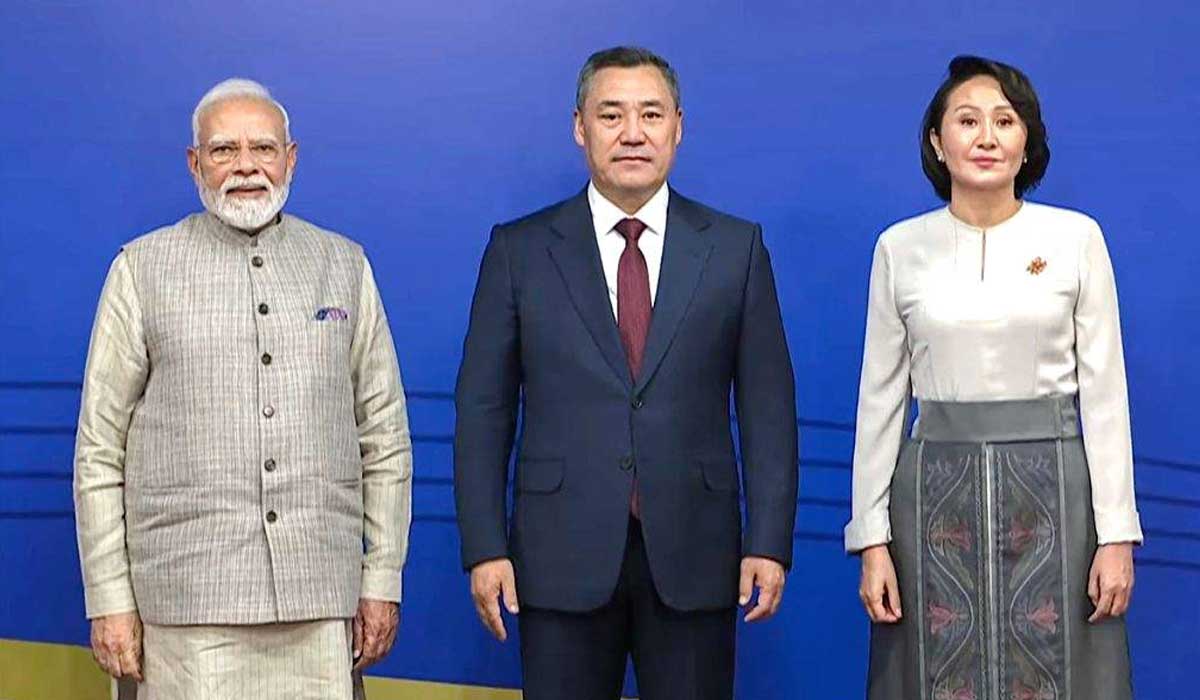
Prime Minister Narendra Modi’s presence at the opening ceremony in Bishkek further elevates the significance of the occasion. His participation reflects India’s commitment to deepening its multifaceted engagement with Kyrgyzstan and the wider Central Asian region. His visit, taking place alongside the Shanghai Cooperation Organisation Summit, brings together two important dimensions of India’s foreign policy: strategic engagement and cultural diplomacy.
This is where the true power of sports diplomacy becomes evident. Sport creates a language that transcends political boundaries. Athletes may arrive as competitors, but they leave with new friendships, experiences and a deeper understanding of other cultures. A sporting arena can therefore become an informal diplomatic space where trust is built naturally, away from the formality of negotiating tables.
For India, the World Nomad Games also offer an opportunity to showcase its own diverse sporting and cultural traditions while learning from the heritage of Central Asia. India’s indigenous games, martial traditions, performing arts and traditional knowledge fit naturally into the broader conversation about preserving cultural identity in a rapidly changing world.
The significance of Bishkek 2026 therefore goes well beyond the final medal tally. The Games demonstrate how sport can preserve heritage, connect societies and create new avenues for international cooperation.
As horses race across the arenas and athletes compete under their national flags, a larger diplomatic message is taking shape: borders may divide countries, but sport, culture and shared heritage can bring people together.
For India and Central Asia, the World Nomad Games are not simply a sporting rendezvous. They are a celebration of an enduring civilisational connection – and a powerful reminder that sometimes, the most meaningful diplomacy begins not at the negotiating table, but on the playing field.